
A national survey published in 2020 found that 49.1% of Filipinos over 65 had moderate or worse hearing loss, with the prevalence and severity of hearing loss increasing with age.
But a change in hearing does not automatically mean the loss is permanent. A blocked ear canal, middle-ear fluid or an infection may affect hearing temporarily, while age-related changes and long-term noise damage are more likely to cause lasting sensorineural hearing loss.
To recognize hearing loss early, look out for these signs:
If hearing loss appears suddenly in one ear or both ears within about 72 hours, with no obvious cause, it may be Sudden Sensorineural Hearing Loss (SSHL). This requires urgent medical evaluation by an ENT specialist.
Temporary hearing loss can happen when something blocks sound from reaching the inner ear and usually lasts until the underlying cause is addressed. Not every example below is always temporary, however. The severity of the problem and the part of the ear affected matter.
Earwax normally protects the ear canal, but too much can create a physical blockage and make sounds seem muffled. A Philippine national hearing survey found wax occlusion in 12.2% of the people assessed, making it a relatively common ear finding in the study.
Middle ear infections can cause temporary hearing loss as fluid builds up behind the eardrum and dampens how sound reaches the inner ear. This is a relevant concern in the Philippines, where chronic outer and middle ear disease affects approximately 14.2% of the population.
After a cold or flu, fluid can remain in the middle ear when inflammation and mucus block the Eustachian tubes. This can prevent the fluid from draining properly and create pressure behind the eardrum.
The trapped fluid also interferes with the normal movement of the eardrum and tiny middle-ear bones, reducing sound transmission.
A single exposure to loud noise, such as fireworks during a paputok, a concert, or heavy machinery, can cause temporary hearing loss. This occurs when intense sound affects the hair cells in the inner ear.
Swimmer’s ear is an infection of the outer ear canal. It commonly develops when water remains trapped in the ear after swimming or bathing. The moisture creates conditions for bacterial growth, leading to an infection that causes muffled hearing, pain and sometimes discharge.
Flying, diving, or rapid elevation changes can create a pressure difference between the middle ear and the surrounding environment, resulting in temporary muffled hearing.
High stress or intense exercise can affect blood flow to the cochlea, the inner-ear structure that converts sound vibrations into nerve signals. This change in blood flow can affect how the cochlea functions, causing hearing loss or tinnitus.
Note: If your hearing has been affected by an ear infection, it is recommended to see an ENT specialist for diagnosis and treatment.
Permanent hearing loss occurs when the hair cells or nerve pathways of the inner ear are damaged beyond recovery, since these cells do not regenerate. The most common causes include:
Hearing loss associated with aging occurs when the hair cells in the cochlea and the auditory nerve gradually deteriorate, reducing the ear’s ability to send sound signals to the brain. This damage can be influenced by long-term noise exposure, genetics, certain health conditions, and some medications.
Repeated exposure to loud sound can permanently damage the sensory hair cells in the cochlea. Risk depends on how loud the sound is, how close you are to it and how long you are exposed. Sources can include loud music, machinery, construction work, motorcycles, firearms and other high-volume environments. Noise-induced hearing loss may develop so gradually that it is not obvious until understanding speech becomes noticeably harder.
Certain health conditions can contribute to permanent sensorineural hearing loss by affecting the inner ear or auditory nerve. For example, diabetes and high blood pressure have been associated with hearing loss, while conditions such as Meniere’s disease, autoimmune disorders, and certain genetic conditions can also affect hearing. Some medications can also affect hearing with prolonged use, but they have to be monitored or prescribed by your doctor.
A head injury, traumatic brain injury, or exposure to a blast can cause hearing loss that may be permanent, depending on the severity of the damage.
A professional assessment can help determine whether hearing loss is temporary or permanent through:
At Hear Life PH, our audiologists conduct the following hearing tests in the Philippines to assess your hearing:
For permanent hearing loss, the appropriate option depends on the degree of hearing loss.
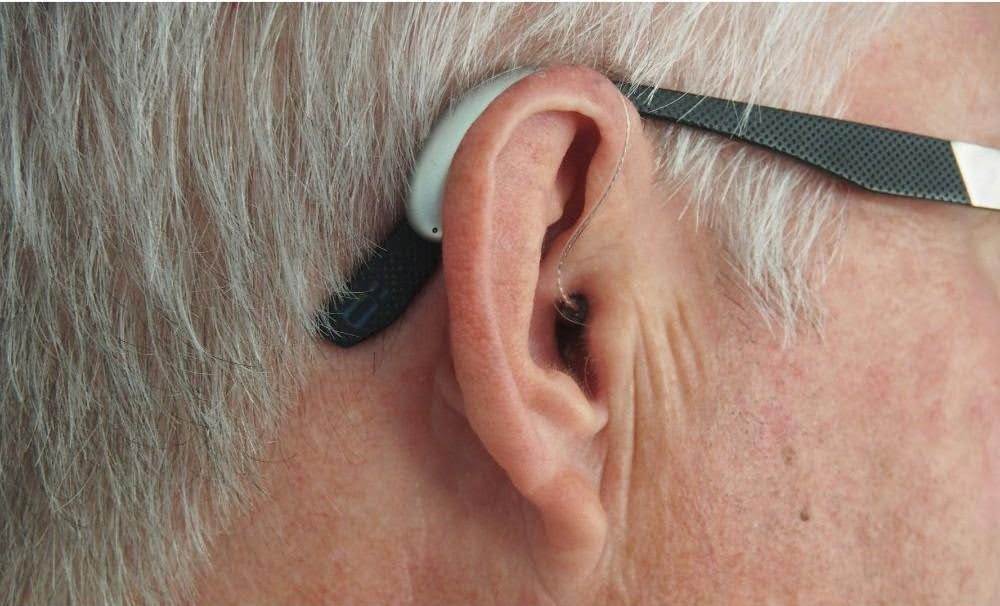
If our audiologist has recommended Widex hearing aids based on your hearing needs, you will receive an on-site hearing aid trial and fitting to ensure comfort and optimal performance. You can then take the hearing aids home for a 7-day trial to experience them in different everyday environments. Follow-up support is also available for any adjustments after the trial.
Book a consultation with Hear Life PH today.