
Constant ringing, buzzing, or hissing in the ears can be frustrating, especially when it starts to affect your focus, sleep, or everyday conversations. If you’ve been noticing these sounds more often, you’re not alone, and understanding what may be causing them is the first step toward treatment.
At Hear Life PH, we focus on identifying potential triggers, assessing your hearing health, and exploring approaches that may help reduce the impact of tinnitus on your daily life.

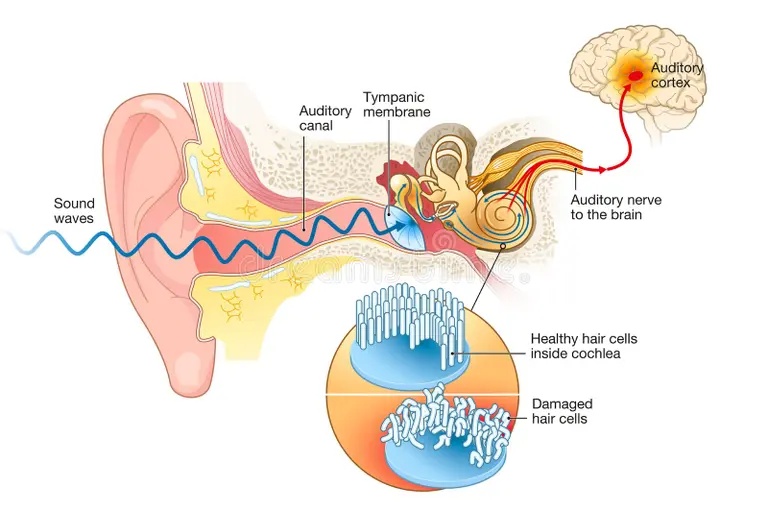
Tinnitus is the perception of noise or ringing in the ears without an external sound source. This phantom noise can vary in pitch, ranging from a low roar to a high squeal, and it may be heard in one or both ears. Tinnitus can be constant or intermittent, and its intensity can fluctuate over time.
It is important to note that tinnitus is not a disease itself but rather a symptom of various underlying conditions. These conditions can include hearing loss, ear infections, exposure to loud noises, or other health issues such as circulatory disorders.
Tinnitus presents differently from person to person. The sound you hear depends on the underlying cause and the part of the auditory system affected.
A ringing sound is heard in one or both ears, often more noticeable in quiet environments.
A buzzing, humming, or low droning sound that may resemble electrical noise or a nearby appliance.
Rhythmic clicking, pulsing, or whooshing sounds that may occur in time with your heartbeat.
A hissing or roaring sound that can vary from a soft background noise to a louder, more persistent sensation.
Regardless of how your tinnitus sounds, its impact may affect your concentration, sleep quality, and emotional wellbeing. Support is available, and you don’t have to manage it alone.
Tinnitus can result from a variety of factors, each contributing to the perception of noise or ringing in the ears. Some common causes of tinnitus include:
Prolonged exposure to loud noises, such as music concerts or heavy machinery, can damage the hair cells in the inner ear. This damage can lead to hearing loss and the onset of tinnitus. Even short-term exposure to extremely loud sounds can cause temporary tinnitus, which may become permanent with repeated exposure.
As people age, they are more likely to experience age-related hearing loss, known as presbycusis. This natural decline in hearing ability can also be accompanied by tinnitus, as the auditory system becomes less efficient in processing sounds.
Various health conditions can contribute to tinnitus. These include:
Excessive earwax can block the ear canal, causing pressure and irritation that may lead to tinnitus.
Some medications can cause or exacerbate tinnitus as a side effect. These include certain antibiotics, diuretics, and high doses of aspirin. It is essential to consult a healthcare professional if you suspect your medication is affecting your hearing.
Trauma to the head or neck can damage the auditory nerves or brain pathways associated with hearing, potentially leading to tinnitus. Such injuries can result from accidents, falls, or other physical impacts.
Understanding these causes can help identify the appropriate treatment and management strategies for tinnitus.
Diagnosing tinnitus requires a comprehensive, systematic approach to identify underlying causes and contributing factors. The process involves the following:
A thorough review of your medical history to identify potential causes and contributing factors to your tinnitus. Your audiologist will inquire about your exposure to loud noises, medications you are taking, and any existing health conditions, such as high blood pressure or ear infections. Understanding your medical history helps identify potential causes and tailor an appropriate treatment plan.
A detailed hearing test is conducted to assess the extent and nature of hearing loss, which is often associated with tinnitus. This assessment measures your ability to hear sounds at different pitches and volumes. By determining the specific frequencies affected by hearing loss, the audiologist can better understand the severity of your tinnitus and its impact on your hearing.
In some cases, advanced imaging techniques may be recommended to evaluate any underlying structural issues that may be contributing to tinnitus. These optional tests, such as magnetic resonance imaging (MRI) or computed tomography (CT) scans, provide detailed images of the ear and brain structures. Advanced imaging can help identify abnormalities, such as tumors or vascular issues, that may be causing or exacerbating tinnitus symptoms.
Tinnitus has no single treatment, but proper management can significantly reduce its impact on your daily life.
At Hear Life PH, we take a personalized approach to tinnitus management by understanding your hearing concerns, assessing underlying factors, and recommending supportive measures tailored to your needs.
A thorough hearing assessment conducted by our qualified audiologists to identify the degree of hearing loss linked to your tinnitus.
Based on the hearing test results, our audiologists will recommend a suitable Widex hearing aid model to support your hearing needs.
Our audiologists will also provide counseling to help you understand your tinnitus and build coping strategies for everyday life.
Tinnitus can’t always be prevented, but several steps may lower your risk:

Some tinnitus symptoms may require prompt evaluation.
If any of these symptoms apply to you or someone you care about, consider booking a professional consultation at Hear Life PH.
From hearing assessments to ongoing guidance, we provide tailored tinnitus management for your individual needs.
Accessible hearing care and tinnitus management support across our branches nationwide.
Audiologists trained in the Philippines and Singapore, provide personalized hearing assessments and tinnitus guidance.
Authorized distributor of Widex hearing aids in the Philippines.
Currently, there is no cure for tinnitus, but there are treatments to manage its symptoms. Various therapies, such as sound therapy, cognitive-behavioral therapy (CBT), and the use of hearing aids, may help reduce the impact of tinnitus on daily life. These treatments focus on managing symptoms, minimizing discomfort, and improving the quality of life for individuals with tinnitus.
Sleeping with tinnitus can be challenging, but several techniques can help. These include the following:
Should these techniques be ineffective, you may consider consulting your audiologist in the Philippines for interventions to help manage tinnitus while sleeping.
In some cases, tinnitus may resolve on its own, especially if it is temporary and caused by factors such as exposure to loud noise or earwax blockage. However, persistent tinnitus lasting more than six months typically requires professional evaluation and management.
It is essential to consult with a healthcare provider or audiologist to determine the underlying causes of persistent tinnitus and develop an appropriate treatment plan. Early intervention can help prevent the condition from worsening and ensure proper symptom management.
The cost of tinnitus treatment varies depending on the specific methods and interventions used. Factors influencing the cost include the type of treatment, duration, and the hearing device price, if needed.
For detailed pricing information and to discuss the most suitable plan for your condition, please contact us directly.
You can call our office during business hours to speak with a representative who will assist you in scheduling an appointment.
Alternatively, you can visit our website to book an appointment online. Our online booking system allows you to choose a date and time that fits your schedule. We look forward to helping you manage your tinnitus and improve your quality of life.
Tinnitus is usually not a sign of something serious. It’s often linked to hearing loss, exposure to loud noise, earwax buildup, or ear infections. However, persistent tinnitus, sudden hearing changes, dizziness, or hearing your heartbeat in your ears should be checked by a professional for timely treatment.
Tinnitus may get worse with age. Age-related hearing loss is one of the most common causes, and factors like loud noise exposure, certain medications, ear infections, and high blood pressure may also worsen symptoms over time.
Our team of hearing care professionals is always ready to serve you. We also provide exceptional after care service for all our clients.
+63 917 826 5152
contact@hearlife.com.ph