

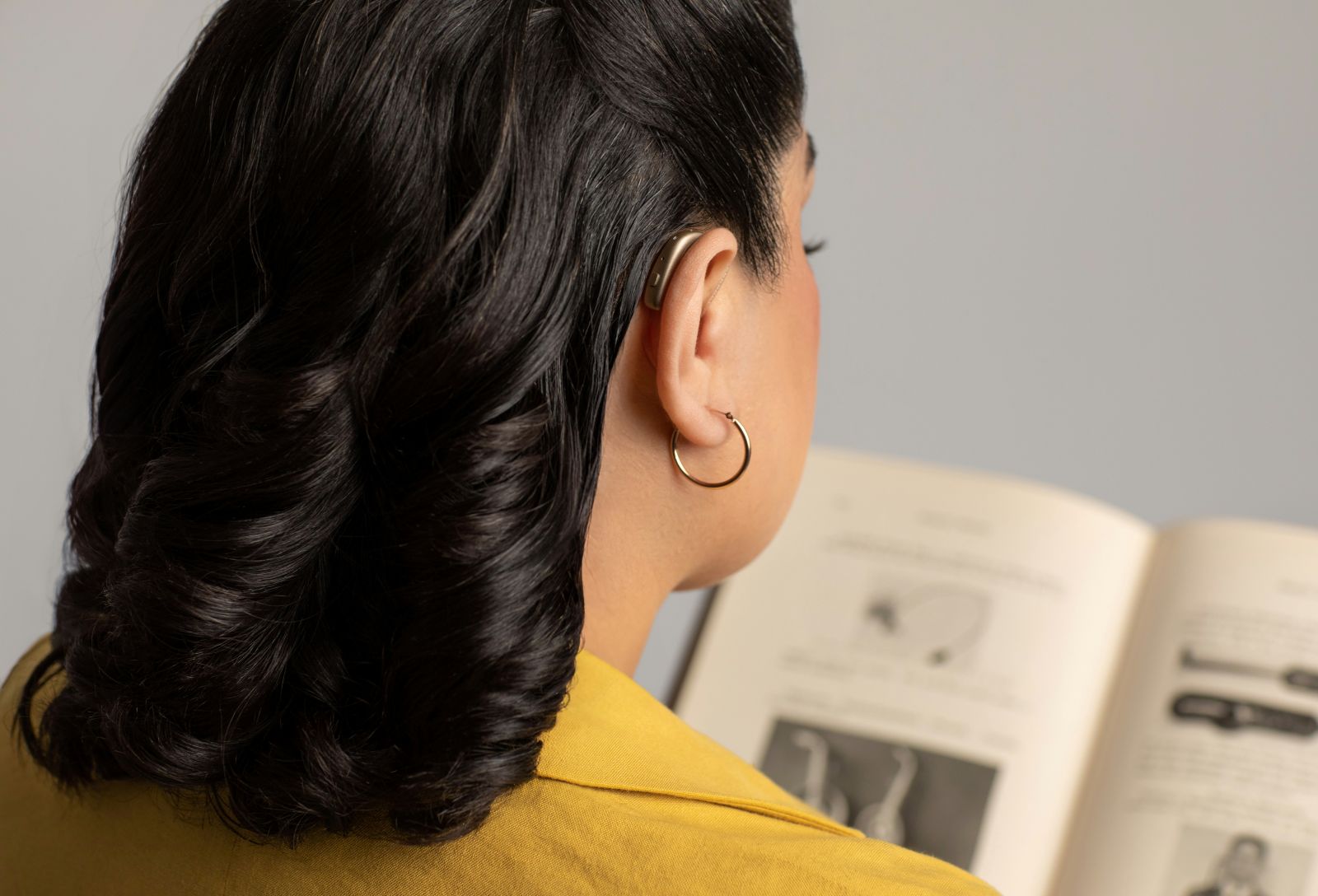
How Can I Make My Hearing Aid Fit Better?
A proper hearing aid fit is essential for the device to function correctly and deliver clear sound, while also minimizing the risk of accidental loss or damage. Because this stability is so important, it is understandable that you may require a few initial adjustments to make your hearing aid fit better.
Typically, the solutions to address an ill-fitting hearing aid may include switching to a larger silicone dome, using a retention clip, or visiting your specialist for a custom mold. However, to determine the ideal solution for securing your device, you need to identify the specific factors causing the displacement.
Why Do Hearing Aids Fall Out?
It can be frustrating when a hearing aid feels loose or actually dislodges from the ear. Several common factors contribute to this:
- Poor Fit: The most frequent cause is that the hearing does not match the unique contours of your ear. If the dome is too small or the custom mold was not taken accurately, the unit will lack the required surface area contact to fit correctly.
- Moisture: Living in a tropical country like the Philippines means dealing with humidity and heat. Sweat and moisture can accumulate, acting as a lubricant that causes the hearing aid to slide out.
- Ear Shape Differences: Some individuals have naturally straight and wide ear canals, while others have canals that change shape significantly during chewing or talking. These anatomical variances can make it harder for standard devices to hold their position without modification.
- Physical Activity: Sudden movements during exercise, running, or even vigorous walking can generate enough force to dislodge the unit that is not strictly fixed in position.
Tips to Keep Hearing Aids Secure
These strategies can help get your hearing aids to stay in place and remain safely in your ears.
1. Proper Hearing Aid Fit
A well-fitted hearing aid ensures acoustic clarity, comfort, and the device’s security. A direct method to improve hearing aid fit is to verify the sizing of the device components. For users wearing receiver-in-canal (RIC) styles, the silicone dome must match the width of the ear canal. If the dome is too small, it will lack the friction required for the unit to stay in place. An audiologist can resolve this by switching to a larger dome or a different style.
Alternatively, a custom earmold offers a more tailored solution. This process involves taking a physical impression of the ear canal to fabricate a mold that matches the specific anatomy. This secures the unit into the curves of the ear, providing a stable fit.
2. Consider Retention Clips and Cords
For active users or parents of children with hearing loss, retention clips are a practical accessory. These devices consist of a thin cord that attaches to the hearing aid on one end and clips onto your clothing on the other.
While this does not technically tighten the fit inside the ear, it acts as a safety net. If the hearing aid does dislodge during activity, the cord catches it before it hits the ground, preventing loss or damage.
3. Use Ear Grips or Sport Locks (Concha lock)
The ear grip, commonly known as a sport lock or retention wire, can help adjust the fit of a hearing aid without remaking the entire shell. This thin, flexible plastic tail attaches directly to the device’s receiver or tube.
Once in place, the grip curls into the bowl of the outer ear (the concha), functioning much like a kickstand. It applies gentle counter-pressure to keep the unit within the canal. This modification is beneficial for individuals with straight ear canals, where a standard device might slide out easily.
4. Manage Sweating to Keep Them From Slipping
In our humid climate, managing moisture is necessary to maintain the seal. When sweat enters the ear canal, it breaks the seal between the unit and the skin.
A hearing aid sweatband is a small, moisture-wicking sleeve that slides over the device to absorb perspiration. Additionally, wearing a headband or a hat during workouts can divert sweat away from the ears.
For those who perspire heavily, it is recommended to ask your hearing aid distributor or audiologist about moisture-resistant adjustment options for your hearing aid.
5. Keep Hearing Aids Clean
Earwax is natural, but an accumulation of it can push a hearing aid out. As wax builds up, it creates a slippery surface and takes up space in the canal that the hearing aid needs to occupy.
To prevent this, establish a daily cleaning routine. Wiping down the hearing aid’s outer casing and checking the sound outlet for debris every morning is advised. Furthermore, regular professional cleaning during your hearing aid adjustments removes slippery residue, helping the device maintain its grip in the ear canal.
What to Expect When Adjusting to New Hearing Aids
Aside from making your hearing aid fit better, your auditory system also needs to become accustomed to the influx of sound. Being prepared for the familiar conditions during this hearing aid adjustment period can help you manage the process with less frustration.
1. Physical Ear Discomfort
In the first few weeks, you may remain aware of the hearing aid physically as your body adjusts to its presence. This heightened sensitivity is a normal part of the adaptation process. However, there is a clear distinction between simple awareness and actual pain.
If you experience sharp pain, sores, or skin irritation, remove the unit and contact your specialist immediately. They will determine the necessary modifications, since adjusting hearing aids for comfort often involves reshaping the shell or mold to relieve pressure points.
2. Finding Your Voice Too Loud (Occlusion Effect)
The Occlusion effect happens when your own voice sounds hollow, boomy, or as if it is being spoken into a barrel. It occurs because the hearing aid blocks the ear canal, trapping low-frequency sound vibrations from your own voice. Over time, the brain usually learns to ignore this. If it persists, an audiologist can modify the venting in the hearing aid to allow these low tones to escape naturally.
3. Louder Background Noise
Most hearing aids, including Widex models, are designed to prioritize speech. However, they will also amplify environmental sounds that you may not have heard in years. Initially, this can feel overwhelming, but this is a sign that the devices are working, not that they are broken. As you continue to wear them, your brain will relearn how to filter out these background noises.
4. Whistling or Feedback
High-pitched whistling is generally a sign that the hearing aid is not inserted correctly or does not fit well. Sound leaks out of the ear canal and is picked up again by the microphone, creating a feedback loop.
Another reason for hearing aid whistling is the accumulation of earwax, which blocks the sound transmission. However, if your ears are clear and you still experience consistent whistling, it usually indicates that the device is not properly sealing the ear canal. In this case, a hearing aid fitting is recommended.
5. Buzzing with Cell Phones
Some older hearing aids or specific phone models may still cause interference, resulting in a buzzing sound. When you go for your hearing aid fitting, you can bring your mobile phone with you so your provider can test for compatibility and make programming changes to minimize this interference.
Give Yourself Time to Adapt
Getting used to wearing hearing aids requires patience, as your body and brain need time to adapt to the new devices fully. During this time, you may hear sounds that seem strange, tinny, or surprisingly loud.
Establishing a consistent habit of using your hearing aids also helps speed up this adjustment. Since wearing your devices for only a few hours a day can delay your progress, aim to wear them throughout the day to provide your brain with the constant stimulation it needs. Additionally, scheduling regular follow-up visits with your audiologist is ideal to fine-tune the settings and the physical fit as you get used to the devices.
Ensure the Proper Hearing Aid Fit
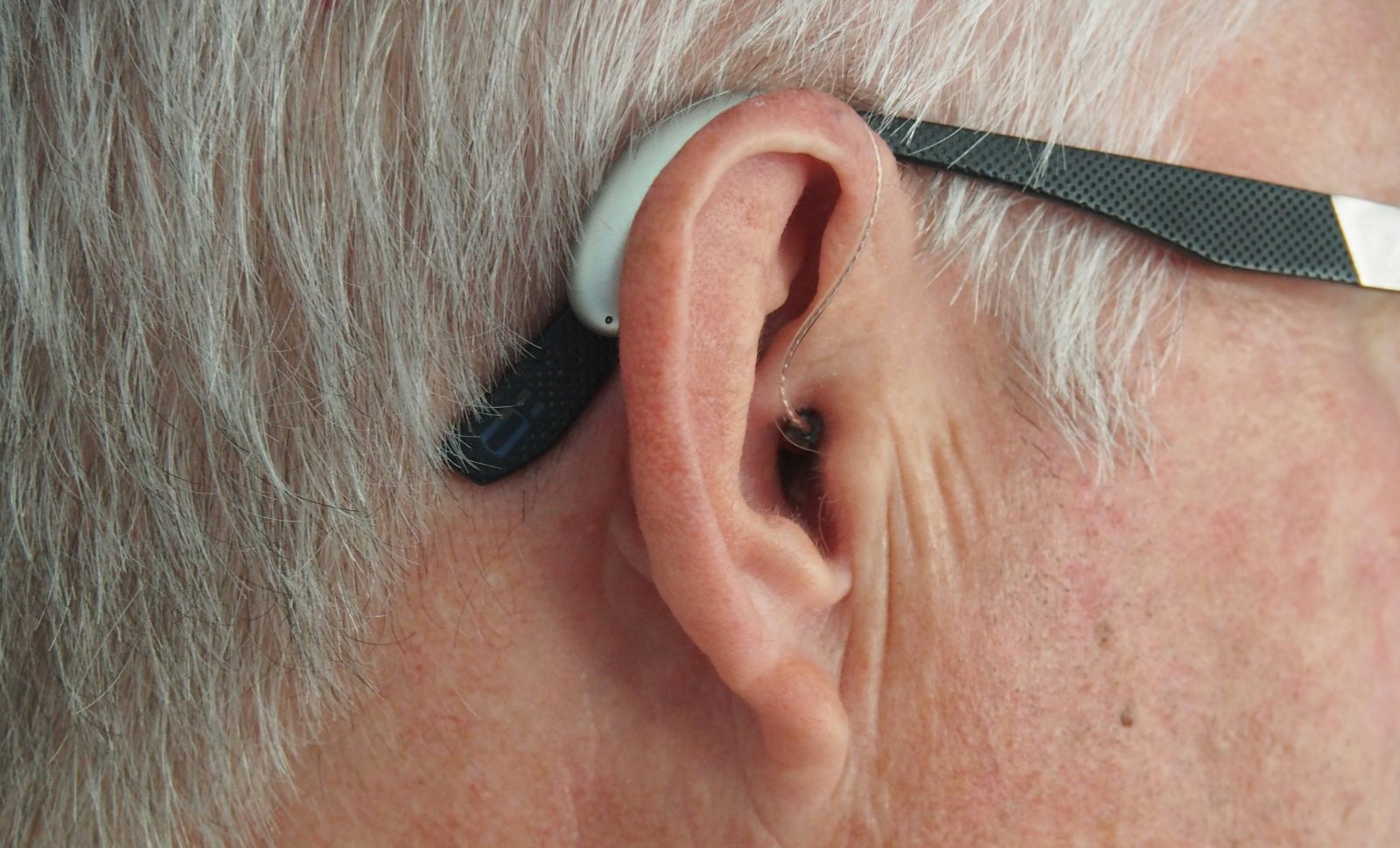
A secure hearing aid translates to physical comfort, better acoustic performance, and the peace of mind that comes with knowing your device is firmly in place. If you find yourself constantly pushing your device back into your ear or are unsure how to improve retention, do not settle for a poor fit.
Applying practical hearing aid tips for beginners, such as checking your dome size or managing moisture, can often resolve minor issues. However, consulting a professional is recommended if problems persist. From custom earmolds to hearing aid accessories, an audiologist can provide the personalized solutions you need. Whether you require a comprehensive hearing test in the Philippines or an adjustment to your current devices, professional support ensures your hearing aids enhance your lifestyle seamlessly.


