

How Often Should You Have a Hearing Test?
Hearing health is a vital, yet often overlooked, pillar of our overall well-being. A hearing test helps detect hearing loss, changes in hearing clarity, or issues affecting the ear before the issues become noticeable in everyday life. While many view these evaluations as a reaction to a problem, they are also an important part of preventive healthcare, much like vision checks or routine physical exams.
For most adults, a hearing test is recommended at least once a year. More frequent testing may be advised if you have existing hearing loss, have a family history of hearing loss, or notice symptoms such as ringing in the ears, muffled hearing, or difficulty following conversations.
What is a Hearing Test?
A hearing test, or pure tone audiometry, is an evaluation of the softest level of sound a person can hear across different pitches or frequencies. Two types of hearing tests are most commonly performed in clinics:
- Pure Tone Audiometry: You wear over-ear headphones or insert earphones and signal each time you hear a tone at varying frequencies and volumes. This helps to determine your hearing threshold.
- Otoacoustic Emissions (OAE) Testing: A small probe placed in the ear canal measures the inner ear’s response to sound. This checks how well the cochlea is functioning and can help identify early signs of hearing loss. This test is used for newborn hearing screening and is mainly performed in hospitals shortly after birth.
Audiologists may also use speech audiometry and tympanometry, depending on the case, to provide a complete assessment of hearing and ear function.
Why Regular Hearing Tests Matter More Than You Realize
Hearing loss often happens gradually, and many people do not notice the decline until they find themselves constantly asking others to repeat themselves or everyday sounds no longer feel as clear as they once did.
However, the impact of unmanaged hearing loss extends far beyond the ears. Medical evidence has linked untreated hearing loss to:
- Dementia: Hearing loss is recognized as a modifiable risk factor for cognitive decline and dementia later in life.
- Depression: Difficulty hearing can make conversations more tiring and frustrating, which may affect mood and emotional well-being over time.
- Social Withdrawal: When communication becomes difficult, some people begin avoiding conversations, gatherings, or social situations altogether.
- Increased Risk of Falls: Hearing plays a role in spatial awareness and balance, so untreated hearing loss has also been associated with a higher risk of falls, especially in older adults.
- Reduced Earning Capacity: Hearing difficulties can also affect work performance, particularly in conversation-heavy roles such as BPO, customer service, education, and other jobs where clear communication is part of daily work.
This is why hearing tests matter even when no obvious symptoms are present: they establish a baseline that makes even gradual changes detectable before they begin to affect daily life.
Who Should Get a Hearing Test?
A hearing evaluation is not reserved for older people or for those who have already noticed a change. Every person, regardless of age, can benefit from periodic assessment:
- Newborns: Under Republic Act 9709, the Universal Newborn Hearing Screening Act of 2009, every Filipino baby is entitled to a hearing screening before hospital discharge. Early detection may help support speech and language development.
- Children with Delayed Speech or Learning Difficulties: Hearing loss in children is often misread as inattentiveness or a developmental delay, which can lead to missed intervention.
- Adults with a Family History of Hearing Loss: Genetic predisposition is a significant risk factor warranting earlier and more consistent monitoring.
- Workers in Noise-Heavy Environments: Construction, manufacturing, BPO call centres, traffic enforcement, seafaring, airport ground crews, and agricultural mechanisation all carry an elevated risk of hearing loss.
- Anyone with Chronic Conditions: If you live with Diabetes, Hypertension, or Cardiovascular Disease, your auditory system is at higher risk. These conditions can affect blood flow to the inner ear, increasing the risk of gradual hearing decline.
- People with Regular Recreational Noise Exposure: Motorcyclists, musicians, gamers, and frequent concert-goers face a cumulative risk that is easy to underestimate.
What Conditions Can a Hearing Test Reveal?
A hearing evaluation detects more than a reduction in volume. A thorough assessment may identify:
- Conductive Hearing Loss: Caused by problems in the outer or middle ear, including fluid behind the eardrum or a damaged eardrum.
- Sensorineural Hearing Loss: Damage to the inner ear or auditory nerve, which is managed rather than reversed.
- Mixed Hearing Loss: A combination of conductive and sensorineural factors occurring at the same time.
- Tinnitus: Persistent ringing or buzzing that may indicate underlying hearing damage.
- Earwax Occlusion: Earwax blockage is a common cause of hearing loss in the Philippines, with a prevalence of 12.2%.
How Long Does a Hearing Test Take?
Most hearing tests take between 15 minutes and 1 hour, depending on the type of evaluation. Here is what to expect for each:
- Basic Adult Screening: Typically 15 to 20 minutes.
- Comprehensive Diagnostic Evaluation: Usually 45 to 60 minutes, combining pure tone audiometry, speech testing, and tympanometry.
- Newborn OAE Screening: A few minutes per ear.
For reliable results, staying still and quiet throughout the hearing test matters. For young patients, parents may want to bring books or toys to help them remain calm during the test.
How Often Should Hearing Tests Be Done?
For adults without known risk factors for hearing loss, a hearing test at least once a year is the standard recommendation. Some audiologists advise twice yearly, depending on individual circumstances.
When deciding how often to get your hearing checked, consider your lifestyle and health profile as much as your age. If you work in a consistently noisy environment, regularly expose yourself to loud recreational sound, or have a family history of hearing loss, these factors indicate a need for more frequent hearing tests.
Another option for determining your hearing test frequency is to consult a professional who can assess your risk factors and advise accordingly.
When You Should Not Wait for Your Next Scheduled Test
Some symptoms require assessment regardless of when your last test was. Schedule a same-week appointment if you experience:
- Sudden Hearing Loss in one or both ears
- New or Worsening Tinnitus
- A Feeling of Fullness or Pressure in the ear that does not clear
- Difficulty Understanding Speech in Noise that has clearly worsened
- Dizziness or Balance Problems alongside hearing changes
- Recent Head Injury or Exposure to a Sudden Loud Blast
How Much is a Hearing Test in the Philippines?
The cost of a hearing test in the Philippines can vary depending on the clinic, the type of test performed, and whether additional assessments are needed. Basic hearing evaluations may differ from more comprehensive diagnostic testing, so check directly with your chosen hearing clinic for current rates and inclusions.
At Hear Life PH, hearing consultations are provided at no cost, during which we conduct a detailed hearing test to check your hearing levels and detect the specific type and degree of hearing loss.
What Happens After Your Hearing Test?
After your hearing test, our audiologist reviews your audiogram and explains the results in plain language. If hearing is within normal range, you leave with a baseline record for future comparison.
If hearing loss is identified, our audiologist will outline the recommended next steps, which may include earwax management, a referral to an Ear, Nose, and Throat (ENT) specialist, or a hearing aid trial and fitting.
Schedule a Hearing Test at Hear Life PH
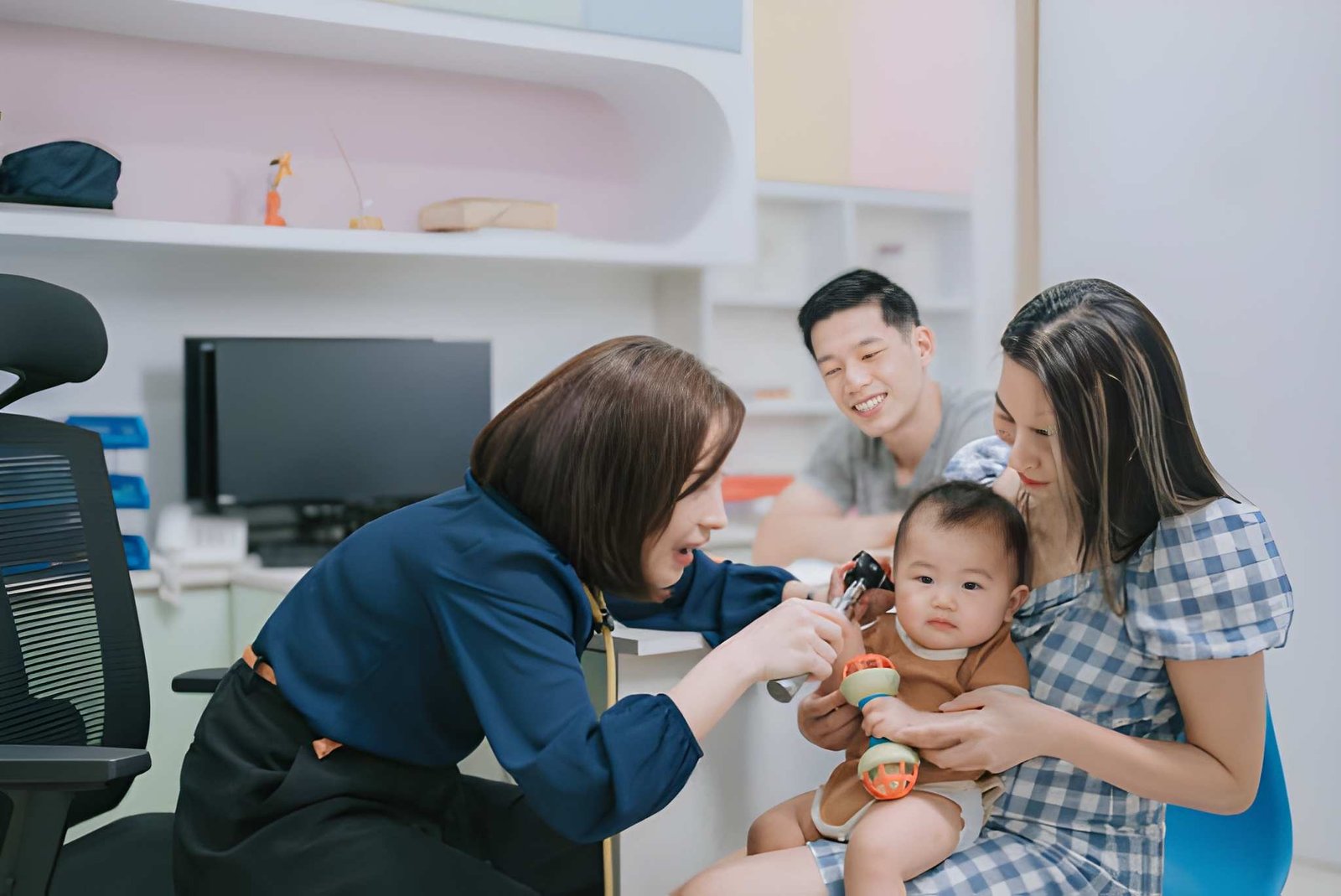
If you are planning your first hearing test in the Philippines or following up on a recent concern, Hear Life PH is here to support you through the process. Our audiologists, trained in both the Philippines and Singapore, provide comprehensive hearing evaluations.
If hearing aids are recommended, you can also try a free 7-day take-home trial of Widex hearing aids to experience how they feel and sound before deciding on the next step.
Schedule a hearing test with Hear Life PH to understand your hearing and get support from our audiologists.