


Otitis Media vs Externa: How to Tell the Difference?
Ear pain, or Otalgia, is a common concern that can significantly impair a person’s comfort and disrupt daily life. While often grouped under the broad label of an “ear infection,” ear pain typically stems from two distinct pathologies: otitis externa, which affects the external ear, and otitis media, which involves the middle ear, the space behind the eardrum.
Although both can cause ear discomfort, they differ in origin and support needs. Knowing the difference between otitis media and otitis externa helps guide next steps and timely professional care
Outer Ear vs. Middle Ear: Key Differences
While both the outer and middle ear play essential roles in hearing, they differ in structure, function, and the types of concerns that may affect each area.
- Outer Ear: It comprises the pinna and the external auditory canal. The canal serves as a conduit for sound waves. These waves travel through the outer ear canal. running from the concha bowl to the eardrum, where they are naturally amplified. At the end of this canal sits the eardrum, a flexible membrane that vibrates in response to sound.
- Middle Ear: It is an air-filled cavity located just behind the eardrum. Here, three tiny bones, the malleus, incus, and stapes, work together to enhance sound vibrations. Additionally, the middle ear connects to the back of the nose through the Eustachian tube, which helps balance pressure.
Key Aspects of Otitis Externa
Otitis externa, often called “swimmer’s ear,” is an inflammation of the outer ear canal, also known as the external auditory canal. Although it is commonly associated with frequent swimming due to repeated water exposure, it can develop in anyone when moisture remains in the ear. Because the ear canal can trap moisture, it creates an environment where bacteria or fungi may multiply.
Signs of Otitis Externa
Those experiencing otitis externa may notice a range of sensations.
- Itching and Ear Discharge: An itchy and/or painful ear accompanied by foul-smelling fluid discharge.
- Blocked or Reduced Hearing: A sensation of fullness or blockage in the ear, resulting in muffled hearing.
- Redness and Swelling of the Outer Ear: The skin of the external ear may appear red, swollen, and highly sensitive to touch.
Causes of Otitis Externa
Otitis externa typically develops when the ear canal’s natural defenses are compromised.
- Excess Moisture in the Ear Canal: Water trapped inside the ear creates a warm, damp environment that encourages bacterial growth.
- Exposure to Contaminated Water: Swimming in water with higher levels of bacteria can increase the risk of irritation in the ear canal.
- Skin Barrier Disruption: Small scratches or damage to the skin inside the ear canal can create an entry point for bacteria, making the area more vulnerable.
Risk Factors for Otitis Externa
Certain lifestyle habits, environmental factors, and ear-care practices may increase the chances of developing otitis externa.
- Skin Sensitivity: Ongoing skin concerns such as eczema or psoriasis within the ear canal may weaken its natural protective barrier.
- Ear Canal Irritation: Inserting objects such as cotton swabs, pens, or hairpins can scratch the ear canal, making it more vulnerable.
- Warm or Humid Climates: Living in tropical or consistently humid environments may encourage moisture buildup in the ear canal.
- Reduced Protective Earwax: Earwax naturally helps guard against bacteria and fungi; excessive cleaning or trapped water can reduce this protection.
- Freshwater Exposure: Swimming in lakes, rivers, ponds, or oceans may increase exposure to higher levels of bacteria.
- Using Uncleaned Earbuds or Hearing Aids: When not cleaned regularly, hearing aids or earbuds may accumulate buildup that can contribute to ear canal concerns.
Key Aspects of Otitis Media
While otitis externa affects the outer ear canal, otitis media refers to an inflammatory condition of the middle ear, often characterized by fluid accumulation.
How Common is Otitis Media?
In the Philippines, the overall prevalence of clinically diagnosed acute otitis media (AOM) is estimated at 9.6% among children aged 0 to 12 years, highlighting how frequently this middle-ear concern affects young individuals.
Why are Children More Susceptible to Otitis Media?
Young children tend to experience middle ear concerns more often due to several developmental and environmental factors, including:
- Developing Eustachian Tubes: In early childhood, these tubes may not regulate pressure or drain fluid as efficiently, leading to fluid accumulation behind the eardrum.
- Maturing Immune Defenses: A child’s immune system is still developing, which can make it harder to respond to common viral or bacterial exposures.
- Increased Exposure to Germs: Close contact with other children in daycare or school settings may increase the likelihood of catching common respiratory concerns.
Signs of Otitis Media
Otitis media may be associated with a range of changes in ear comfort and hearing.
General Signs
Middle ear concerns may be accompanied by a combination of physical sensations and behavioral changes, often following a recent cold or upper respiratory issue. These may include:
- Ear Pain: A noticeable ache or throbbing sensation in the middle ear.
- Fever: An increased body temperature that may accompany middle ear irritation.
- Bulging Eardrum: Visible outward pressure on the eardrum due to fluid accumulation behind it.
- Hearing Loss: Reduced hearing clarity resulting from fluid interfering with sound transmission.
Symptoms in Infants and Young Children
In infants and young children, behavioral changes are often the first clues that otitis media may be affecting ear comfort or hearing.
- Ear Tugging: Young children may pull at their ears due to discomfort and fluid buildup.
- Increased Irritability: Crying more than usual, screaming, or appearing fussy may signal ear discomfort.
Causes of Otitis Media
Otitis media often develops after a cold or other upper respiratory infection, when viruses or bacteria travel through the Eustachian tube into the middle ear. As a result, swelling may occur, interfering with normal fluid drainage and pressure balance. When fluid gets accumulated in the middle ear, it may create an environment that allows further irritation to develop.
How to Prevent an Ear Infection Due to Otitis Media or Externa Before It Starts?
Taking proactive steps to support ear hygiene and overall wellness can help reduce the chances of otitis externa and otitis media.
How Do You Prevent Otitis Externa?
- Manage Water Exposure: After swimming or bathing, gently tilt your head to help water drain and use a soft towel to dry the outer ear.
- Maintain Natural Earwax Balance: Avoid over-cleaning or excessive removal of the earwax that may disrupt the ear canal’s natural defenses.
- Use Protective Swim Plugs: If you are prone to recurring outer ear irritation, properly fitted swim plugs may help reduce excess moisture entering the ear canal.
How Do You Prevent Otitis Media?
- Support Upper Airway Health: Encourage regular hand hygiene, stay up to date with routine vaccinations, and manage seasonal allergies to help reduce upper respiratory concerns that may contribute to otitis media.
- Limit Smoke and Pollution Exposure: Avoid exposure to secondhand smoke and environmental pollutants, as these can irritate the airways and affect Eustachian tube function.
Managing Otitis Externa and Otitis Media with Hear Life PH
Whether you’re experiencing outer ear irritation from otitis externa or hearing changes from otitis media, timely intervention can make a difference.
That’s what we focus on at Hear Life PH.
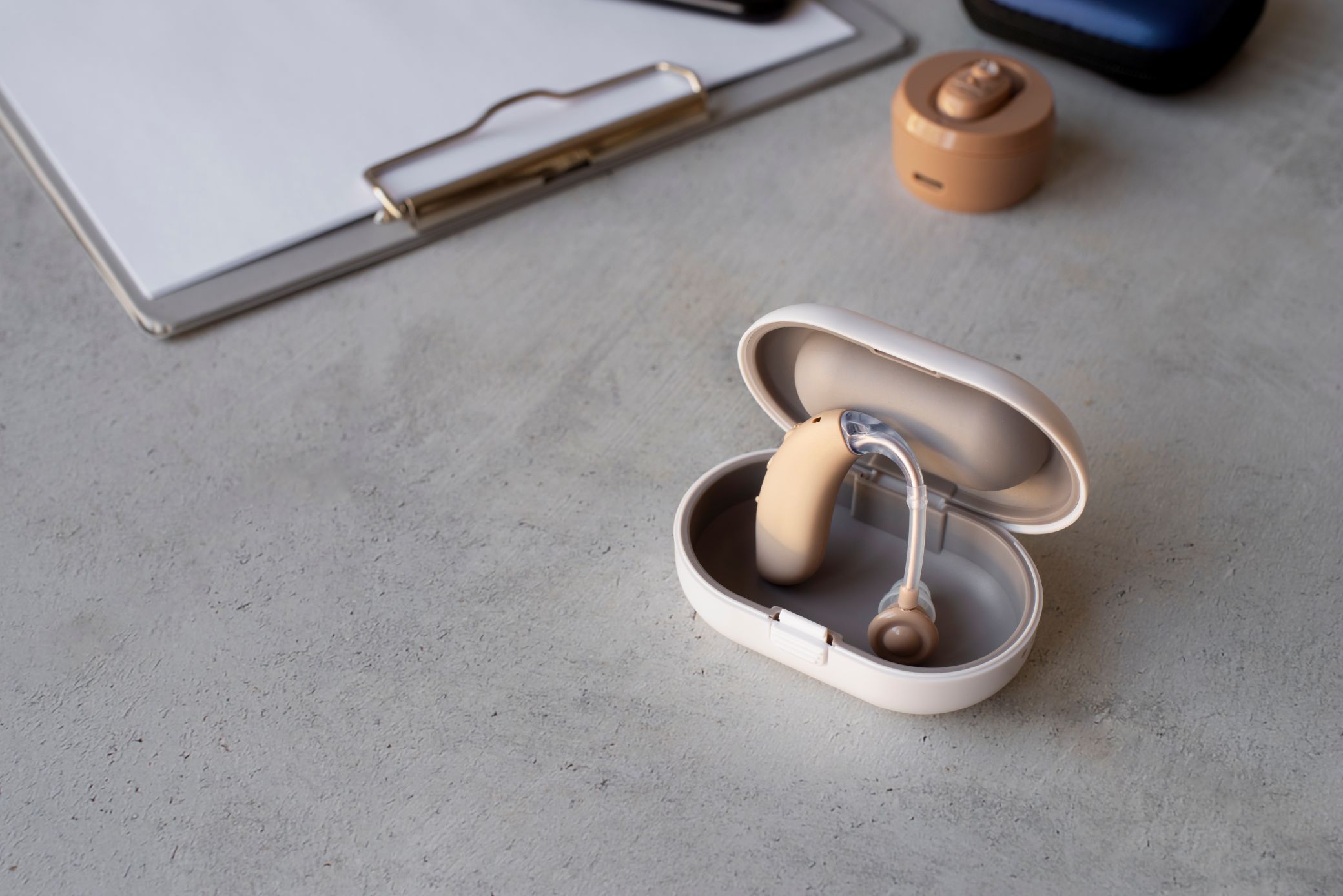
Through our comprehensive audiometry test in the Philippines, you can gain insight into how your hearing may be affected and take the next steps. In addition, we recommend personalized hearing aids from a range of types, selected to match your lifestyle, listening needs, and comfort preferences.
Book your free hearing consultation with Hear Life PH today and discover how personalized hearing support can enhance your everyday listening experience.