September 2, 2024 by Hear Life 0 Comments

What Are the 3 Types of Hearing Loss?

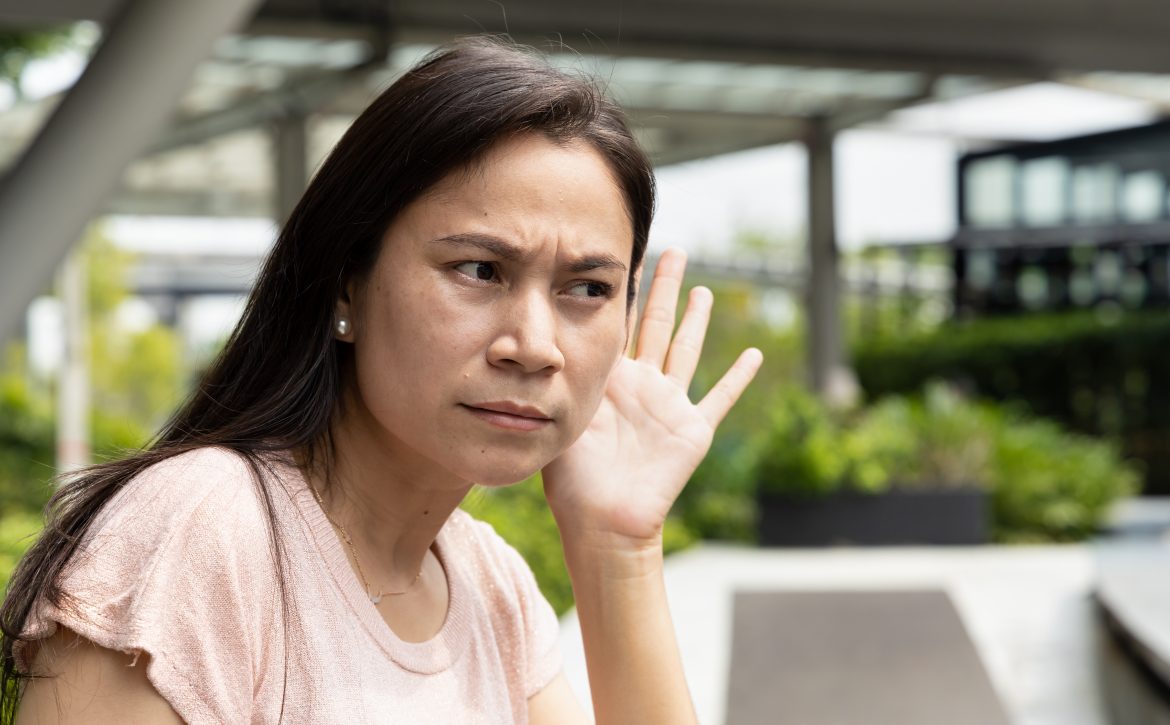
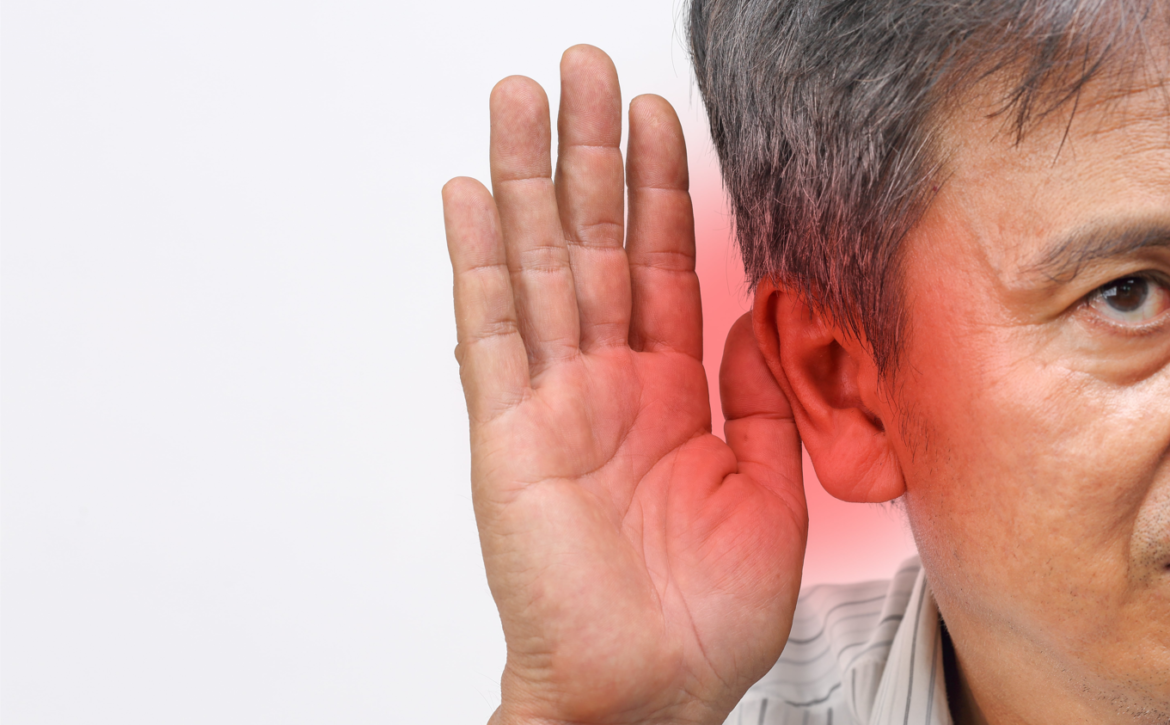
Hearing loss can impact anyone at any age, from childhood to later in life. When symptoms arise, seeking prompt assistance is essential to finding the right solution. However, before the audiologist can determine a suitable option for your condition, they must first identify what type of hearing loss you are experiencing.

There are three types of hearing loss, each with distinct characteristics, causes, and symptoms. Understanding these differences can provide valuable insight into managing your condition and help you maintain your ability to perform daily activities.

1. Sensorineural Hearing Loss

Sensorineural hearing loss occurs when the cochlea (a part of the inner ear), a part of the auditory nerve or central nervous system, is damaged or deteriorates.

These hair cells convert sound waves into signals that the brain interprets as sound. When these cells are damaged or missing, the brain receives incomplete or distorted signals, leading to hearing loss. This type of hearing loss is typically permanent and can range from mild to profound deafness.

What Are the Symptoms of Sensorineural Hearing Loss?

These 4 symptoms are what you should look out for to identify whether or not you have this type of hearing loss:

  • Difficulty Hearing Conversations: This can especially be challenging when around a noisy environment.
  • Tinnitus: There is a ringing, buzzing, or hissing sound in the ears.
  • Muffled Sounds: Voices and sounds may seem unclear or distant.
  • Difficulty Hearing High-Pitched Sounds: Often, the voices of women and children can be difficult to hear.

What Are the 5 Major Causes of Sensorineural Hearing Loss?

  • Aging (Presbycusis): Age-related hearing loss due to natural wear and tear of the inner ear.
  • Noise Exposure: Exposing your ears to loud noises, such as from machinery, concerts, or earphones, for a long period of time can cause damage.
  • Genetic Factors: Hereditary conditions affecting ear function.
  • Head Injuries: Trauma could affect the inner ear or auditory nerve.

2. Conductive Hearing Loss

Conductive hearing loss typically results from issues in the cochlea, which can prevent sound waves from reaching the inner ear. This type of hearing loss can be experienced in either one or both ears and may fluctuate over time, depending on the underlying cause.

What Are the Symptoms of Conductive Hearing Loss?

These are the signs of conductive hearing loss:

  • Muffled Hearing: Sounds may seem faint or distant.
  • Ear Pain or Discomfort: This is often associated with ear infections.
  • Difficulty Hearing Soft Sounds: This includes whispers or background noise.
  • A Feeling of Fullness in the Ear: The sensation is similar to having water or a plug in the ear.
  • Unusual Ear Noises: Popping or clicking sounds in the ear.

What Are the 4 Major Causes of Conductive Hearing Loss?

  • Ear Infections (Otitis Media): Infections in the middle ear that can cause fluid build-up.
  • Earwax Blockage: Having too much earwax can block the ear canal, which impedes sound waves from reaching the eardrum.
  • Eardrum Perforation: A tear or hole in the eardrum affects sound conduction.
  • Foreign Objects: Objects lodged in the ear canal can block sound transmission.

3. Mixed Hearing Loss

Mixed hearing loss occurs when both the inner ear and the outer or middle ear are affected. This means that a person may experience symptoms of both sensorineural and conductive hearing loss, making it essential to identify and address all contributing factors.

What Are the Symptoms of Mixed Hearing Loss?

The 3 common signs of mixed hearing loss can be described as the following:

  • Combination of Symptoms: Both sensorineural and conductive hearing loss symptoms could appear, such as difficulty hearing conversations, ear pain, and more.
  • Fluctuating Hearing Ability: Hearing may vary depending on the underlying cause of the conductive component.
  • Difficulty Understanding Speech: You may experience this issue in noisy environments or when multiple people are talking.

What Are the 3 Major Causes of Mixed Hearing Loss?

  • Chronic Ear Infections: Long-term infections can damage the middle and inner ear.
  • Head Trauma: These types of injuries could affect multiple parts of the ear.
  • Genetic Conditions: Inherited disorders can impact both the inner and middle ear.

How Do You Know What Type of Hearing Loss You Have?

Determining the type of hearing loss you have is crucial for finding the right solution to manage your symptoms. One of the ways to identify it is through a professional hearing test service from a trusted hearing center.

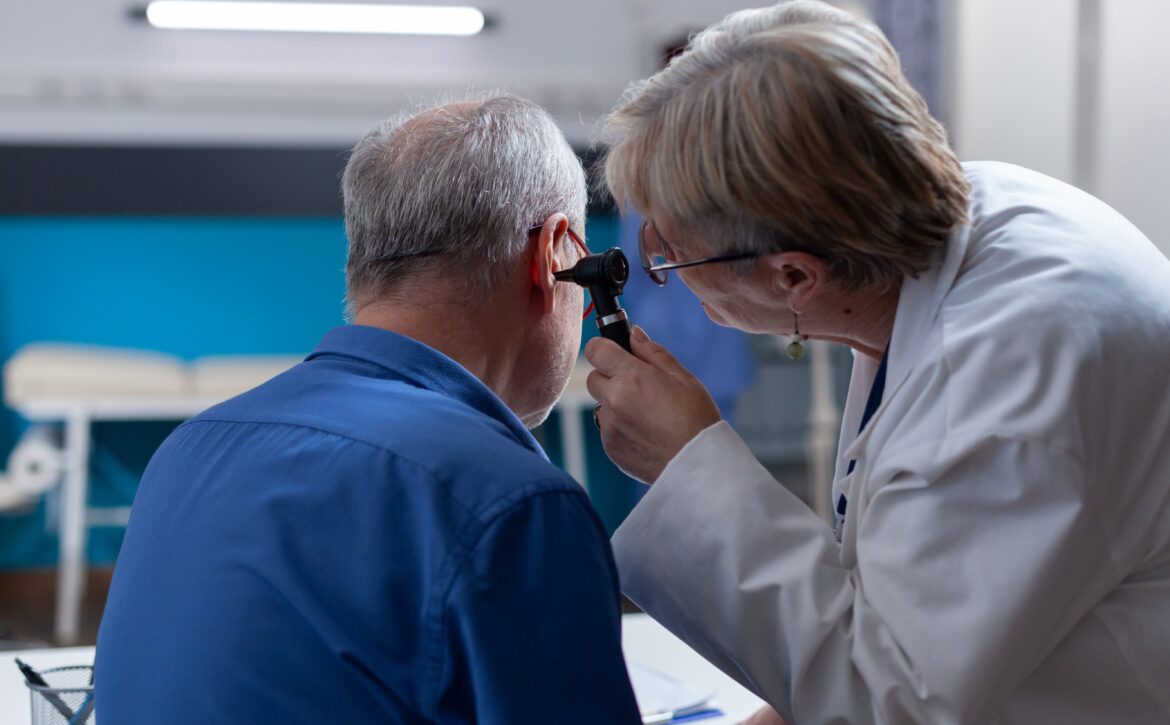
When you visit a hearing center, the audiologist will use various tools and techniques to diagnose the type and severity of your hearing loss. One of the tests offered could be Pure-Tone Audiometry, which uses various tones across a range of frequencies to determine your level of hearing. Another would be the Speech Audiometry test, which will evaluate your ability to understand and process speech.

The information gathered in your assessment is vital in developing a personalized plan that will help address your hearing issues. The plan may include the use of hearing aids, medical interventions, or other hearing solutions.

How to Manage Hearing Loss

These are strategies worth considering to manage your condition and reduce the risk of further hearing loss.

1. Protect Your Ears

One of the most important strategies for managing hearing loss is to safeguard your ears from further damage. Avoid exposure to loud noises whenever possible, as they can exacerbate hearing loss or lead to additional damage. Common sources of harmful noise include loud music, machinery, and heavy traffic. When you are in environments with prolonged noise exposure, such as concerts or construction sites, make sure to use ear protection like earplugs or noise-canceling headphones.

2. Use Hearing Aids

If hearing aids are recommended by your audiologist, it’s important to use them consistently. Hearing aids are designed to help with sound, making it easier for you to hear and communicate with others. They can help you engage in conversations, follow along in meetings, and enjoy social activities.

3. Practice Good Ear Hygiene 

Maintaining good ear hygiene is another key aspect of managing hearing loss. Regularly clean your ears to remove excess earwax, which can block the ear canal and impair your hearing. However, it’s important to clean your ears safely—avoid inserting objects like cotton swabs into the ear canal, as this can push wax further in or potentially cause injury. Instead, use ear drops or visit a healthcare professional for safe ear cleaning. Keeping your ears clean and healthy ensures your hearing is not compromised by avoidable factors.

Visit a Trusted Hearing Center in the Philippines

Hearing loss can progress gradually, so it’s important to have your hearing tested regularly at a reliable hearing center in the Philippines, even if you don’t notice any immediate problems. Early detection allows for timely intervention, which can mitigate the risk of further deterioration and help you manage hearing loss. By working with a trusted audiologist, you can get the quality care you need and live your life to the fullest.

Should you require hearing aids, some hearing centers will allow you to explore a hearing aid trial, allowing you to experience the benefits of hearing aids before making a commitment. This trial can help you find the right device that suits your hearing needs and lifestyle.

For more information, see the causes of acquired hearing loss in adults.

August 13, 2024 by Hear Life 0 Comments

Are Bluetooth Hearing Aids the Better Hearing Aid Option?

Bluetooth hearing aids have been gaining popularity among users in recent years due to their features and connectivity options. Unlike traditional hearing aids, which primarily focus on amplifying sound, Bluetooth hearing aids integrate seamlessly with various digital devices, offering a more versatile and convenient listening experience.

Its ability to connect with other devices allows for more functions, from communication to directly streaming audio. This not only improves the overall user experience but also has the potential to significantly enhance patient outcomes by providing more personalized and accessible hearing solutions.

What Features Make Bluetooth Hearing Aids a Better Option?

1. Connect Hearing: A World of Audio Options

Bluetooth technology has changed the way patients with hearing aids experience audio. With Bluetooth hearing aids, users can directly stream audio from phones, TVs, and other devices straight to their hearing aids, enhancing their listening experience. This seamless integration eliminates the need for separate streamers or dangling wires, making it more convenient and user-friendly.

Whether it’s enjoying a favorite TV show or following a conversation on the phone, Bluetooth connectivity ensures a clearer, more immersive sound quality. This technology ensures that everyday audio interactions are not only accessible but also significantly more enjoyable, fostering greater satisfaction among users.

2. Clearer Communication: Enhanced Mobile Phone and Media Use

One of the standout features of Bluetooth hearing aids is their ability to facilitate hands-free phone calls and deliver clearer audio quality when using multimedia devices like tablets. This technology allows users to connect their hearing aids to their smartphones, enabling them to take calls without holding the phone to their ears.

Direct audio streaming ensures that voices are heard clearly and distinctly, which is particularly beneficial for individuals with hearing loss. Moreover, it improves communication and enhances media enjoyment, allowing users to fully engage with their digital devices.

3. Personalized Control: Discreet Volume and Program Adjustments

Bluetooth-enabled apps give users a new level of control over their hearing aids. These apps allow patients to discreetly adjust volume and hearing aid programs directly from their smartphones without drawing attention to themselves. This feature empowers patients to manage their hearing needs in various environments, whether in a noisy restaurant, a quiet meeting room, or enjoying an outdoor activity. The ability to make real-time adjustments improves their sense of control and confidence, ensuring they can optimize their hearing experience to suit any situation.

4. Improved Telehealth Opportunities: Remote Monitoring and Adjustments

Bluetooth hearing aids also open up new possibilities for telehealth, allowing for remote monitoring and adjustments by hearing professionals. This means that patients can receive follow-up care and necessary adjustments without the need for in-person visits.

It allows patients to hear their audiologists from their Bluetooth hearing aids during telehealth calls, making remote communication simpler. This not only saves time and money but also ensures that patients receive timely care, enhancing the overall management of their hearing health.

What Are the Disadvantages of Using Bluetooth Hearing Aids?

While Bluetooth hearing aids offer numerous benefits, there are also some drawbacks to consider. One is its battery life. Constant Bluetooth connectivity can drain hearing aid batteries quickly, necessitating more frequent recharges or battery replacements.

Some may also find that the Bluetooth hearing aid device price could be costly, which can be a barrier for some users. However, its higher price is a reflection of its added technology and wide range of features.

Additionally, the initial setup process for pairing hearing aids with devices can be complex and challenging for some users, particularly those who are not tech-savvy.

How Long Do Bluetooth Hearing Aid Batteries Last?

The lifespan of Bluetooth hearing aid batteries varies based on several factors, such as the degree of hearing loss and usage patterns. Most Bluetooth hearing aids can last a full day before needing to be recharged overnight.

However, when used for calls and streaming frequently, this could potentially drain the batteries rapidly. Your hearing aids will also need extra power should you have a higher degree of hearing loss, which can affect its battery life.

Find Bluetooth Hearing Aids at Hear Life

Hear Life offers a wide range of Bluetooth hearing aids from trusted brands like Widex, which are known for their seamless connectivity and how they can help address the diverse hearing needs of Filipinos.

Widex models enable users to effortlessly connect to their digital devices, providing an enhanced and convenient hearing experience. Whether it’s enjoying music, watching TV, or taking phone calls, Widex Bluetooth hearing aids can help make everyday interactions more accessible and enjoyable.

At Hear Life, our priority is to deliver high-quality hearing solutions that enhance everyday communication and listening, empowering users to live their lives to the fullest with the best hearing technology available.

For more information about hearing aid innovations, check out our guide on how to know if artificial intelligence for hearing aids is suitable for you.

August 13, 2024 by Hear Life 0 Comments

Understanding the Causes of Acquired Hearing Loss in Adults

Acquired hearing loss refers to hearing impairment that develops after birth, either gradually over time or suddenly. This differs from congenital hearing loss, which is present from birth. In the Philippines, research indicates that 14.7% of adults aged 18 to 65 experience acquired hearing loss. This prevalence increases significantly in older adults, with 49.1% of those over 65 being affected by hearing loss.

With this high prevalence, especially among older adults, it’s crucial to know what causes acquired hearing loss in the Philippines. This awareness can help mitigate its effects and maintain ear function.

1. Exposure to Loud Noise

The most common cause of acquired sensorineural hearing loss in adults stems from exposure to loud noise. Prolonged exposure can harm delicate hair cells in the inner ear, leading to sensorineural hearing loss, often referred to as nerve deafness.

The effects of sensorineural hearing loss can manifest immediately or gradually over time. Everyday appliances like hair dryers, food processors, and recreational activities such as rock concerts or high-volume music listening contribute significantly to this risk.

As such, it’s imperative to take proactive measures when signs of hearing loss emerge to preserve hearing and minimize the risk of further damage. This includes using earplugs in noisy environments and keeping the volume at safe levels. Raising awareness and taking these precautions are key to mitigating the impact of noise on ear health and preventing further hearing loss.

2. Physical Trauma

Physical trauma to the ear or head is another significant cause of acquired hearing loss. Severe head injuries can damage the inner ear structures or the auditory nerve, which are critical for transmitting sound signals to the brain. Additionally, these injuries can affect the middle ear, disrupting the delicate balance of the ossicles (tiny bones in the middle ear) and impairing the mechanical transmission of sound.

The extent of hearing loss from physical trauma can vary, ranging from temporary impairment to permanent damage, depending on how severe the injury is and where the person was hit.

Inserting objects into the ear canal is another common cause of physical trauma that can lead to hearing loss. This practice can perforate the eardrum, causing pain and significant hearing impairment. Damage to the ossicles from such trauma can further exacerbate hearing loss, as these tiny bones amplify and transmit sound vibrations to the inner ear.

Preventive measures are essential for safeguarding ear health and preventing trauma-induced hearing loss. This includes avoiding inserting objects into the ear and wearing protective headgear during activities that risk head injury,

3. Swimmer’s Ear

Swimming is a popular activity in the Philippines, both for recreation and as a way of life. However, it can sometimes cause ear problems, particularly when swimmers come into contact with contaminated water. If water enters the ear and remains trapped, it can lead to an ear infection known as “Swimmer’s Ear” or otitis externa. Unlike the common childhood middle ear infection, this condition affects the outer ear canal and can cause significant pain and discomfort.

Swimmer’s Ear occurs when bacteria (and occasionally fungi or viruses) from contaminated water get into the ear and multiply in the ear canal, leading to infection and, in severe cases, acquired hearing loss.

To protect yourself, it’s essential to wear earplugs or a bathing cap while swimming. After swimming, be sure to dry your ears thoroughly with a towel and avoid inserting objects like cotton swabs into the ear canal, as it could exacerbate or increase your risk of infection. If an infection does occur, it is essential to seek medical attention promptly.

4. Existing Medical Conditions

Pre-existing medical conditions are what can contribute to sudden or gradual hearing loss. The most common scenarios that could cause this are the development of a middle ear infection, the use of ototoxic medications, or even experiencing severe health conditions.

  • Infections: Middle ear infections (otitis media) occur when fluid accumulates behind the eardrum, causing inflammation and infection. If left untreated or if they become recurrent, these infections can inflict lasting damage to the ear’s structures, potentially causing hearing loss.
  • Ototoxic Medications: Certain medications, including specific antibiotics and chemotherapy drugs, pose risks to the inner ear, potentially causing hearing loss. While crucial for treating various conditions, it’s essential that the intake of medicines is monitored by a healthcare professional to manage and mitigate the risk of hearing loss.
  • Other Conditions: Other health conditions, such as diabetes, high blood pressure, autoimmune diseases, and tumors, can also potentially affect hearing. As such, when symptoms of hearing loss start to manifest while you are living with a pre-existing condition, make sure to consult your doctor right away for early intervention.

Symptoms of Acquired Hearing Loss

Recognizing the signs of acquired hearing loss is crucial for early intervention. Common symptoms include:

  • Muffled Sounds: Feeling like sounds are less clear or distant.
  • Difficulty Understanding Speech: Struggling to follow conversations, especially in noisy environments.
  • Tinnitus: A ringing, buzzing, or roaring sound in the ears.
  • Sudden Hearing Loss: A rapid decline in hearing ability, often in one ear.

When Experiencing Symptoms of Acquired Hearing Loss, Get Checked

If you are experiencing symptoms of acquired hearing loss, it is crucial to undergo a hearing assessment in the Philippines to determine the extent and cause of your hearing impairment. Early identification can help you cope with the effects of hearing loss by allowing for timely intervention, such as the fitting of appropriate hearing aids.

Know that professional hearing assessments and hearing aid fitting services are available to help you manage hearing loss effectively and maintain your overall ear health. Avoid waiting until your condition progresses; get checked as soon as you notice any signs of hearing difficulty.

For more hearing insights, learn how to boost hearing health with different exercises.

August 13, 2024 by Hear Life 0 Comments

3 Signs and Symptoms of Patients with Presbycusis

Presbycusis, often referred to as age-related hearing loss, is a condition that commonly affects the elderly. As we age, changes in the inner ear and auditory nerve can gradually diminish our ability to hear clearly, impacting our daily lives. Early detection of the signs and symptoms of this condition is crucial for appropriate management, allowing individuals to maintain their communication abilities and overall well-being.

What Is Presbycusis?

As mentioned, Presbycusis refers to the gradual loss of hearing that happens as people get older. This condition typically affects both ears and is caused by the degeneration of auditory cells in the inner ear and auditory nerve. While these changes may develop slowly, this could also mean that the individual might not be able to notice it right away. However, it usually manifests when they are unable to hear high-pitched sounds, like the sound of the microwave ringing.

What Is the Main Cause of Presbycusis?

The primary cause of presbycusis is the natural aging of auditory cells. As one grows older, the hair cells in the cochlea gradually degenerate. These hair cells convert sound waves into electrical signals for the brain, which allows us to perceive and interpret sounds. While this degeneration is a normal part of the aging process, it may lead to a decline in hearing abilities.

In addition to aging, other factors can contribute to the development of presbycusis. For example, long-term exposure to loud noises, such as industrial sounds, music, and environmental noise, can accelerate the deterioration of hearing. Furthermore, genetic predisposition, health conditions like diabetes and hypertension, and certain medications can also influence the progression of age-related hearing loss.

What Are 3 Signs and Symptoms of Patients with Presbycusis?

Recognizing the signs and symptoms of presbycusis is essential for early intervention and proper management. Here are 3 common indicators:

1. Trouble Understanding What People Are Saying

One of the most noticeable signs of presbycusis is when an individual is having a hard time understanding speech, especially in noisy environments. Individuals may frequently ask others to repeat themselves, misinterpret words, or struggle to follow conversations in group settings. This difficulty arises because high-frequency sounds, which are crucial for distinguishing consonants, are often the first to be affected by age-related hearing loss.

2. Increasing the Volume of Television, Computers, or Phone

Another common symptom is the need to increase the volume of electronic devices such as televisions, computers, and phones. People with presbycusis may find that they have to set the volume higher than usual to hear clearly, which can be noticeable to family members or friends. This behavior often indicates that the individual is compensating for their reduced hearing sensitivity.

3. Experiencing Tinnitus

Tinnitus, or ringing in the ears, is another symptom associated with presbycusis. Many individuals with age-related hearing loss experience tinnitus, which can vary in severity from a mild nuisance to a debilitating condition. The constant or intermittent ringing, buzzing, or hissing sounds can interfere with concentration, sleep, and overall quality of life.

How is Presbycusis Diagnosed?

Diagnosing presbycusis involves a thorough evaluation by an audiologist. The diagnostic process typically includes:

  • Medical History Review: The audiologist will take a detailed medical history to identify potential factors that contribute to hearing impairments, such as exposure to loud noises, medications, and underlying health conditions.
  • Physical Examination: A physical assessment of the ears is conducted to rule out other causes of hearing loss, such as earwax buildup or infections.
  • Audiometric Tests: Hearing exams, including pure-tone audiometry and speech audiometry, are performed to assess the type and severity of hearing loss. These tests measure the individual’s ability to hear different frequencies and understand speech at various volume levels.

How Is Age-Related Hearing Loss Addressed?

While presbycusis cannot be reversed, there are several ways to manage the condition and support hearing function. These include:

  • Hearing Aids: Hearing aids are one of the most common devices used for addressing presbycusis. These devices amplify sounds, making it easier for individuals to hear and understand speech. Modern hearing aids are discreet and come with various features to enhance listening experiences in different environments.
  • Assistive Listening Devices: Devices such as amplified telephones, TV listening systems, and personal amplifiers can help individuals with presbycusis communicate more effectively.
  • Communication Strategies: Learning communication strategies, such as lip reading and using visual cues, can help individuals with presbycusis improve their interactions with others.
  • Therapies and Rehabilitation: Audiologic rehabilitation programs, which include counseling and training, can assist individuals in adapting to their hearing loss and maximizing the benefits of hearing aids and other devices.

How Can a Hearing Aid Center Help?

A hearing aid center in the Philippines can provide comprehensive services to individuals with presbycusis. These centers offer hearing exams, hearing aid fittings, and ongoing support to ensure that you can receive appropriate care for your condition. Audiologists at these centers are trained to assess hearing loss, recommend suitable hearing aids, and provide follow-up services to optimize hearing aid performance.

In addition to technical support, they offer counseling and educational resources to help you understand and adapt to your hearing loss. This holistic approach ensures that you have the skills and resources needed to improve your hearing, maintain your quality of life, and stay connected with the world around you.

August 13, 2024 by Hear Life 0 Comments

What Can Cause a Baby to Be Born Deaf?

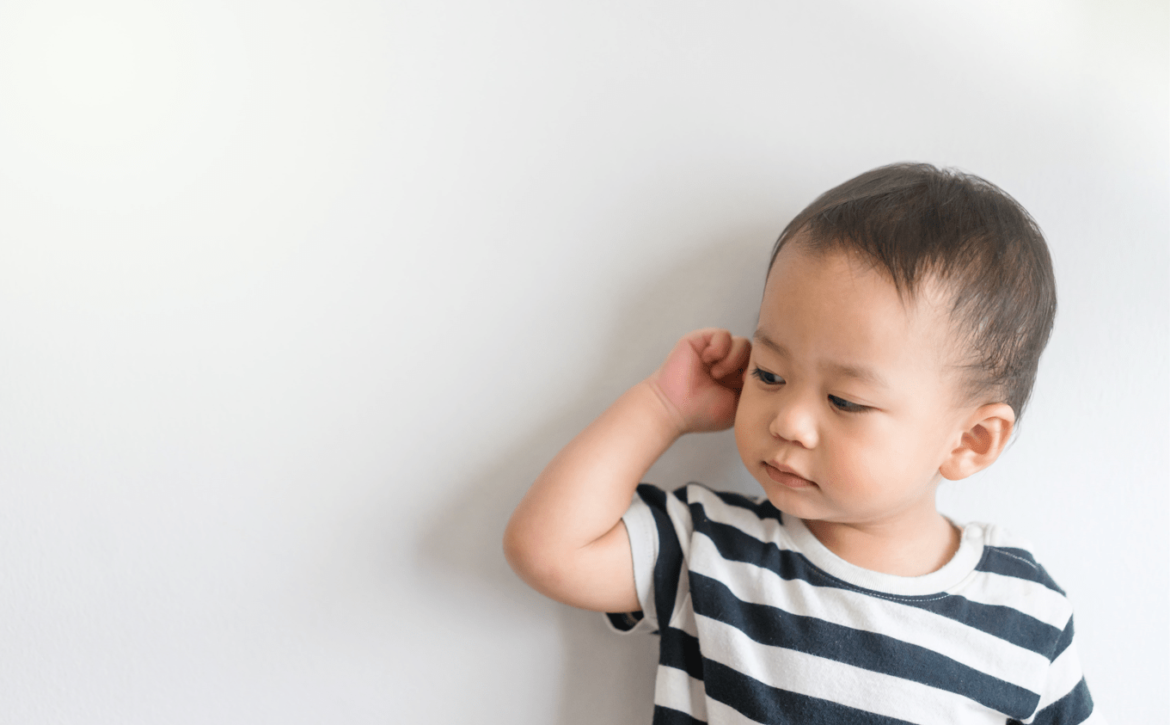
Congenital deafness poses profound challenges to a child’s early development, affecting their language skills, social interactions, and cognitive abilities. Recognizing what can cause a baby to be born deaf is crucial for parents to take precautionary measures to minimize the risk. By understanding the factors contributing to hearing loss at birth, parents can play a pivotal role in safeguarding their child’s auditory health and fostering their overall growth and well-being.

How Genetics and Family History Come into Play

Genetics and family history are crucial factors in understanding congenital hearing loss. In some cases, congenital deafness could be caused by hereditary disorders and genetic mutations. As such, knowing your family’s medical history can help you identify potential risks of congenital hearing loss and allow for early interventions.

Hereditary Disorders

Genetics plays a significant role in congenital deafness. Hearing loss can be a hereditary disorder passed down from parents to their children. If there is a family history of hearing loss, the chances of a baby being born deaf increase. This type of hearing loss can be syndromic, where hearing loss is associated with other health conditions, or nonsyndromic, where hearing loss is the sole condition.

Genetic Mutations

In addition to hereditary disorders, genetic mutations can also cause congenital deafness. Mutations in specific genes can affect the normal development of the auditory system, potentially resulting in hearing loss.

What Are the Chances of a Baby Being Born Deaf Due to Genetic Factors?

According to the Centers for Disease Control and Prevention (CDC), genetics is a significant contributor to congenital hearing loss. It is estimated that genetic factors account for about 50% of congenital hearing loss cases. This can occur due to hereditary disorders passed down from parents or genetic mutations that arise spontaneously.

However, it’s important to note that environmental factors also play a crucial role in the development of your child’s auditory system. Prenatal infections, exposure to ototoxic medications, and birth complications can increase the likelihood of a newborn developing hearing impairment.

How Prenatal Exposure Affects Your Newborn’s Hearing

The environment and conditions to which your baby is exposed during pregnancy can have profound effects on their development, including their hearing. It’s important to be aware of the infections and substances that could increase the risk of congenital hearing loss.

Infections During Pregnancy

Prenatal exposure to certain infections can significantly impact a baby’s hearing. Infections such as cytomegalovirus (CMV) can cause congenital hearing loss if contracted during pregnancy. These infections may potentially damage the developing auditory system, leading to hearing impairment.

Medications and Substances

Exposure to ototoxic medications and harmful substances during pregnancy can also contribute to hearing loss in newborns. For instance, medications such as aminoglycoside antibiotics, when used during pregnancy, can damage the auditory system. Additionally, excessive exposure to alcohol, smoking, and other toxic substances can adversely affect fetal development and contribute to congenital deafness.

Link Between Birth Complications and Hearing

Various factors during and after birth can significantly contribute to congenital hearing loss. Complications during delivery, along with health issues in the early stages of life, can increase the likelihood of hearing impairments in newborns.

Premature Birth and Low Birth Weight

Premature birth and low birth weight are associated with an increased risk of congenital hearing loss. These conditions make newborns more susceptible to complications that can impact their auditory development, such as hypoxia (lack of oxygen) and hyperbilirubinemia (high levels of bilirubin).

Delivery Complications

Complications during delivery, such as oxygen deprivation and birth trauma, can also increase the risk of hearing impairment in newborns. For instance, difficult deliveries necessitate the use of birth assistance tools, such as a vacuum extractor or forceps, which, if not employed correctly, can potentially cause auditory damage.

How Severe Can Congenital Hearing Loss Get?

Congenital hearing loss can vary in severity, from mild to profound. Mild hearing loss may result in minimal speech development issues, while severe or profound hearing loss can lead to significant communication challenges.

That’s why early intervention is crucial in managing congenital deafness. Earlier diagnosis and intervention could help with supporting the child’s language development and social integration as they get older. This can potentially help them be equipped with the skills and knowledge to live their life to the fullest.

Have Your Child Checked by a Healthcare Professional

In the Philippines, newborn hearing screening is available and recommended to detect hearing issues in children early. If you suspect your baby may have hearing difficulties, it is essential to consult a pediatrician promptly. Early diagnosis and intervention can make a difference in your child’s auditory and overall development milestones.

Hearing aids and other assistive devices can play a crucial role in helping children with congenital hearing loss lead fulfilling lives. Regular hearing tests and appropriate care can also help mitigate the effects of congenital deafness.

Parents should stay informed about the potential causes of congenital hearing loss and seek medical advice if they have concerns. With the right support and intervention, children with hearing loss can thrive and achieve their full potential.

Schedule an Appointment Free Consultation
Viber Us!
FREE Hearing Aid Trial!