

All You Need to Know About Hearing Loss in One Ear
Hearing loss does not always affect both sides equally. When clarity or volume drops significantly in just one ear, a condition known as unilateral hearing loss occurs.
This experience can be linked to a reduction or total absence of hearing in just one ear. As a result, sound from the affected side can feel weaker or less noticeable, making it harder to understand where voices are coming from.
This can affect everyday communication and the overall listening experience; however, options such as hearing aids and cochlear implants may help manage the condition.
What is Hearing Loss in One Ear?
Hearing loss in one ear, known as unilateral hearing loss, occurs when there is reduced or absent hearing in one ear, whether in the right or left ear. The degree of hearing loss can range from mild to moderate, severe, or profound.
- Partial Unilateral Hearing Loss: This occurs when hearing is only partially affected, meaning you experience reduced hearing ability on the affected side.
- Single-Sided Deafness (SSD): This term is used when there is deafness in one ear, meaning there is no detectable hearing on that side.
While the other ear continues to function as expected, hearing on only one side changes how you experience sound. The brain depends on input from both ears, so losing signal from one side affects more than just that ear, particularly in how you locate where sounds are coming from and how you can separate speech from background noise.
Signs You May Have Hearing Loss in One Ear
Because your healthy ear works overtime to compensate for the weaker side, whether it is partial hearing loss or single-sided deafness, hearing loss in one year can be subtle and easy to miss in its early stages. However, there are some signs that can indicate the condition:
- Repeating Conversations: You often ask others to repeat themselves, especially in group settings.
- Turning Up Volume: You turn up the television, laptop, or mobile phone to a higher volume than before.
- Difficulty Hearing in Noisy Places: You struggle to follow conversations in places such as restaurants or busy offices.
- Hearing Ringing in One Ear: You notice ringing or buzzing in one ear but not the other.
- Favouring One Side: You lean on one ear during phone calls because you can’t hear as well in the other.
While hearing loss in one ear usually develops slowly, it can also appear suddenly. If this happens, it requires immediate attention from a healthcare professional.
How Does It Affect Your Daily Life?
Hearing loss in one ear influences more than the volume of sound you receive. It can also affect daily wellbeing in ways that are easy to overlook:
- Anxiety: Constant effort to follow conversations can leave you feeling tense and worn out.
- Social Isolation: Difficulty keeping up in group settings can lead some people to withdraw from gatherings they once enjoyed.
- Learning and Behavioural Challenges: Children with unilateral hearing loss may also experience speech and language delays and behavioural difficulties that often arise in school settings.
- Difficulty Identifying Sound Direction: Hearing loss in one ear can also affect localized hearing.
What is Localized Hearing?
Localized hearing is the ability to identify where a sound is coming from, and it depends on both ears working together.
When you cross a busy street, your ears compare the sound reaching each side to tell you where a vehicle is. The ear closer to the sound registers it first and at a higher volume. The opposite ear receives it a fraction of a second later and at a lower volume, because the head blocks some of the sound waves. This is called the head-shadow effect.
That second ear also helps reduce competing noise so the brain can focus on what matters, which is known as the squelch effect. Your hearing system transmits this information to the auditory nerve, which relays it to the brain for interpretation.
When only one ear works, the brain loses the comparison between the left and right signals. This makes it harder to pinpoint where sounds come from and harder to follow conversations when several people are speaking at once.
What Could Cause Hearing Loss in Only One Ear?
The triggers for one-sided hearing loss are diverse and can manifest at any stage of life:
- Noise Exposure: Loud sounds can damage hearing on the affected side.
- Inherited Disorders: Some hearing problems can be passed down in families. For example, a condition called neurofibromatosis type 2 can cause acoustic neuromas, small, noncancerous growths to develop on the hearing nerve in one ear. This growth can press on the nerve, leading to hearing loss in that ear.
- Impact to the Head: Head injury may cause hearing loss in one ear when an external physical force, such as a bump, blow, or jolt, affects the ear or surrounding structures.
How is Hearing Loss in One Ear Assessed?
Hearing loss in one ear is assessed through a combination of hearing exams in the Philippines.
- Reviewing Symptoms: An Ear, Nose, and Throat (ENT) specialist asks about your symptoms and examines the ear.
- Checking Common Causes: They look for causes of hearing loss, such as earwax, infection, or others.
- Ordering Imaging Tests When Needed: If a head injury or possible tumour is suspected, the specialist may order a CT scan or MRI.
- Referring to an Audiologist: Once other causes are ruled out, you are referred to a qualified audiologist.
- Conducting Hearing Tests: Our audiologist performs a range of hearing tests to assess hearing loss and measure its severity.
Management Options for Hearing Loss in One Ear
Hearing loss in one ear can be managed using a range of options depending on the severity and cause.
1. Hearing Aids.
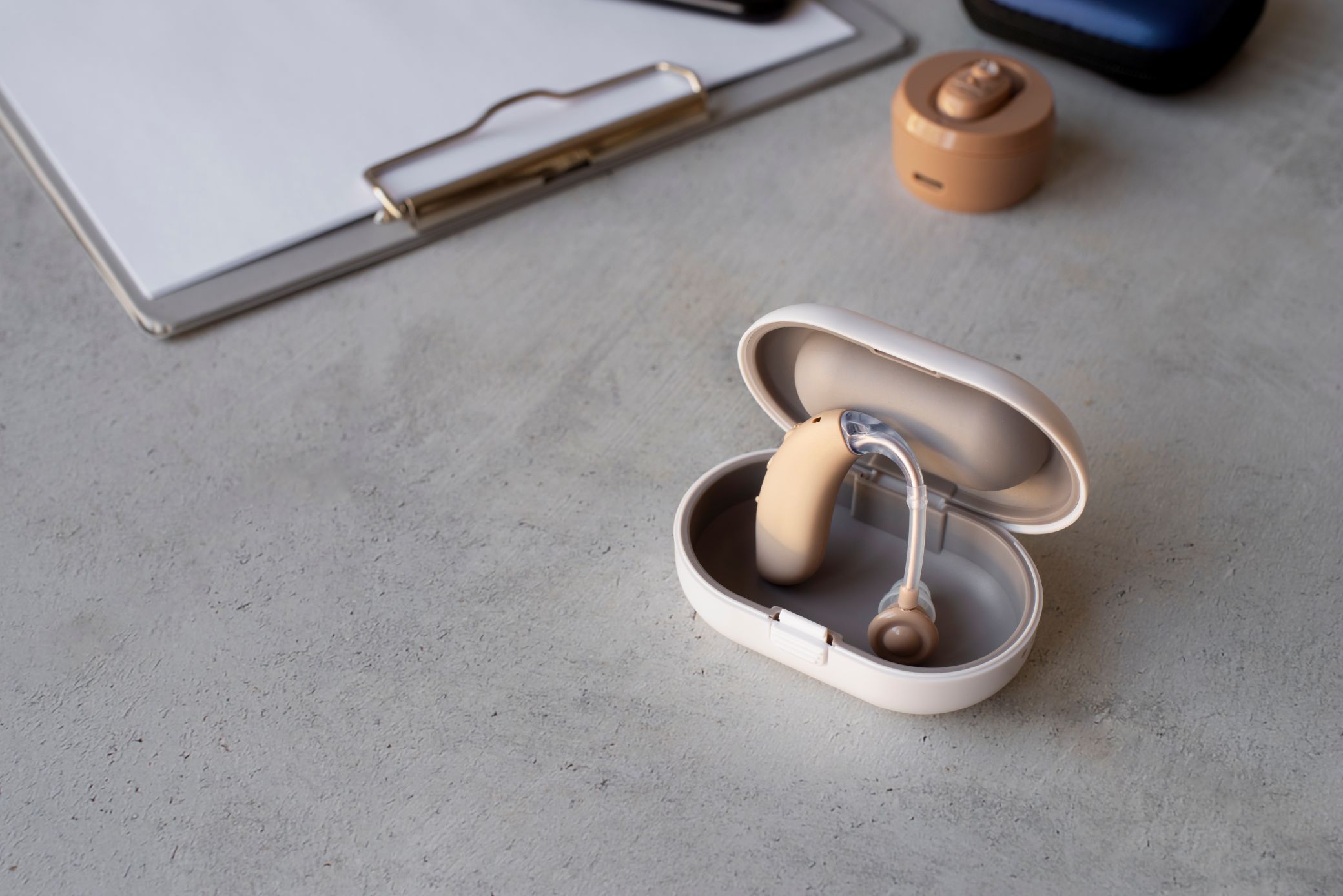
One way to manage unilateral hearing loss is to use a hearing aid. When worn in the ear with reduced hearing, a well-fitted device may help improve your perception of sound and listening experience.
To support your hearing journey, we offer a range of Widex hearing aids, tailored to your specific type and degree of hearing loss. These devices are designed to address individual auditory needs, and we work with you to find a fit that aligns with your lifestyle and preferences.
2. Contralateral Routing of Signal (CROS) Devices
A CROS system uses two devices that work as a pair. A microphone worn on the non-hearing ear picks up sound and transmits it to a hearing aid worn on the hearing ear, allowing you to hear from both sides.
3. Cochlear Implants
A cochlear implant can provide access to sound in an ear with no usable hearing. It may also improve speech understanding and the ability to locate sound sources.
4. Bone-Anchored Hearing Aids
These hearing aids use a bone conduction device to route sound from the non-hearing side to the working ear, bypassing the damaged ear.
Can Hearing Loss in One Ear Be Prevented?
Prevention of hearing loss in one ear depends on reducing risk factors and protecting hearing health where possible.
- Use Hearing Protection: Wear earplugs or earmuffs during loud activities such as concerts, motorcycle rides, or work with loud machinery.
- Keep Volume Low: Set the volume on headphones or earbuds low enough that you can still hear conversations around you.
- Avoid Inserting Objects: Never put cotton swabs, hairpins, or any other object into the ear canal, as these can damage the eardrum or push wax deeper.
- Avoid Smoking: Smoking affects circulation and can harm hearing.
- Stay Active: Regular physical activity may help prevent diabetes and high blood pressure, both of which are linked to hearing problems.
- Manage Chronic Conditions: Keeping a check on ongoing illnesses may help protect the ears from further damage.
When to Consult an Audiologist?
Unilateral hearing loss may worsen if left unaddressed, which makes early evaluation essential to protect your auditory health. If you are experiencing new or persistent changes in your hearing, if the unaffected ear seems to be struggling to hear properly, or if your existing hearing device no longer provides the same level of support, consider scheduling an appointment.
To understand your situation, you can ask the following questions of the professional:
- What is the cause of my hearing loss in one ear?
- What specific strategies can I use to support my hearing in daily situations?
- Are there chances that my hearing loss will worsen?
- Is there a risk that I will experience hearing loss in my other ear, and how can I monitor it?
Schedule Your Hearing Consultation with Hear Life PH Today
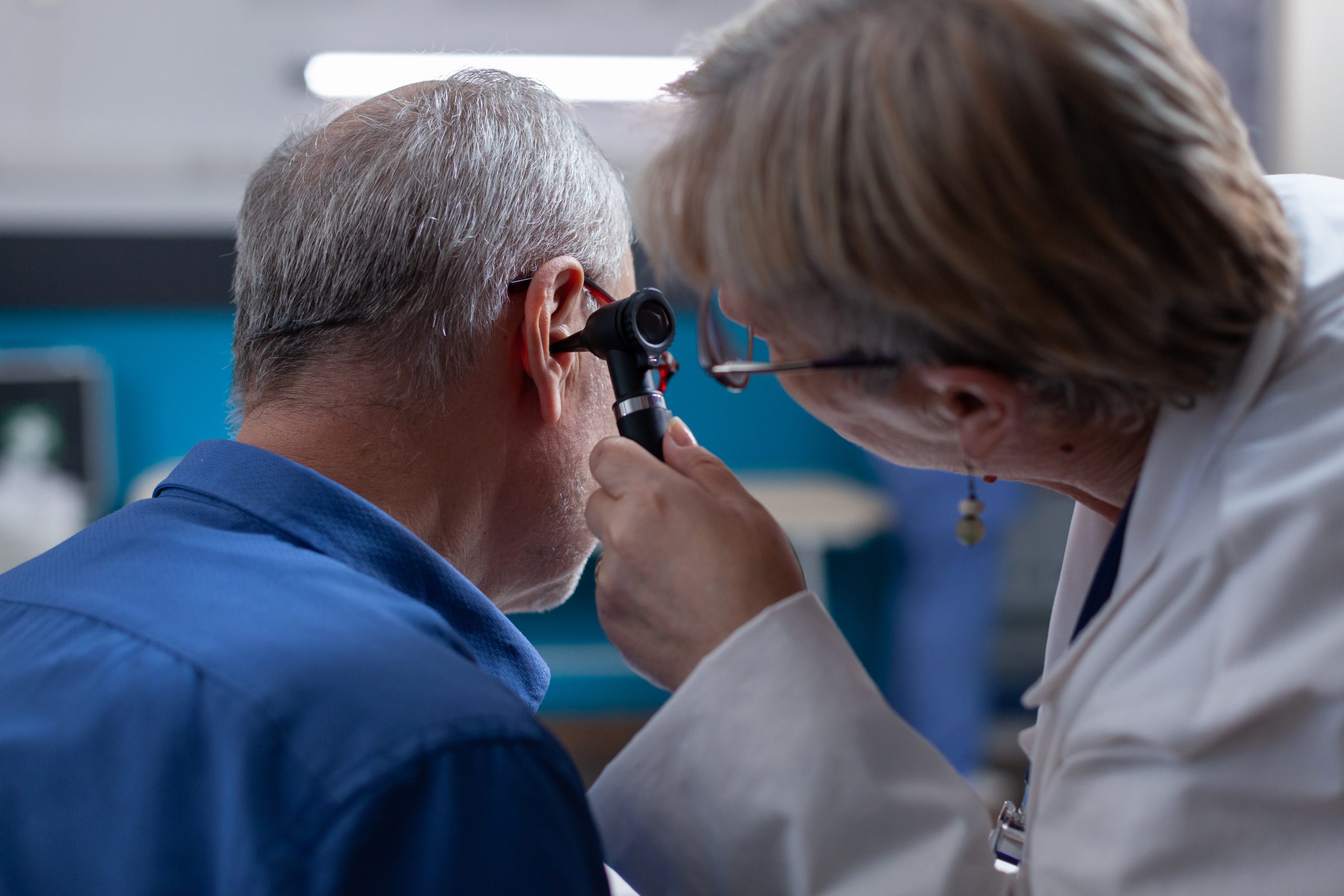
If you are noticing changes in your hearing, the audiologists at Hear Life PH can help you identify the type and degree of your hearing loss.
Our audiologists are trained in Singapore and the Philippines to provide comprehensive support, starting with a free hearing consultation that includes a detailed hearing test to check your hearing levels and identify the type and degree of hearing loss.
Book your appointment with Hear Life PH today.