
Category: Hearing Aids

April 8, 2025 by Hear Life 0 Comments

What is the Difference Between Hearing Aid Types?

Hearing loss can significantly impact daily life, affecting communication, social interaction, and overall well-being. Therefore, choosing the right hearing aid device is essential to help manage its effects and enhance quality of life.

Nowadays, there are many hearing aid types available with unique designs, features, and benefits. Thus, understanding their differences is essential for making an informed decision that suits your specific hearing needs and preferences.

This article will explore further some of the popular types of hearing aids, what each device can do, their specific features, and who might benefit from each.

1. Behind-the-Ear (BTE) Hearing Aids

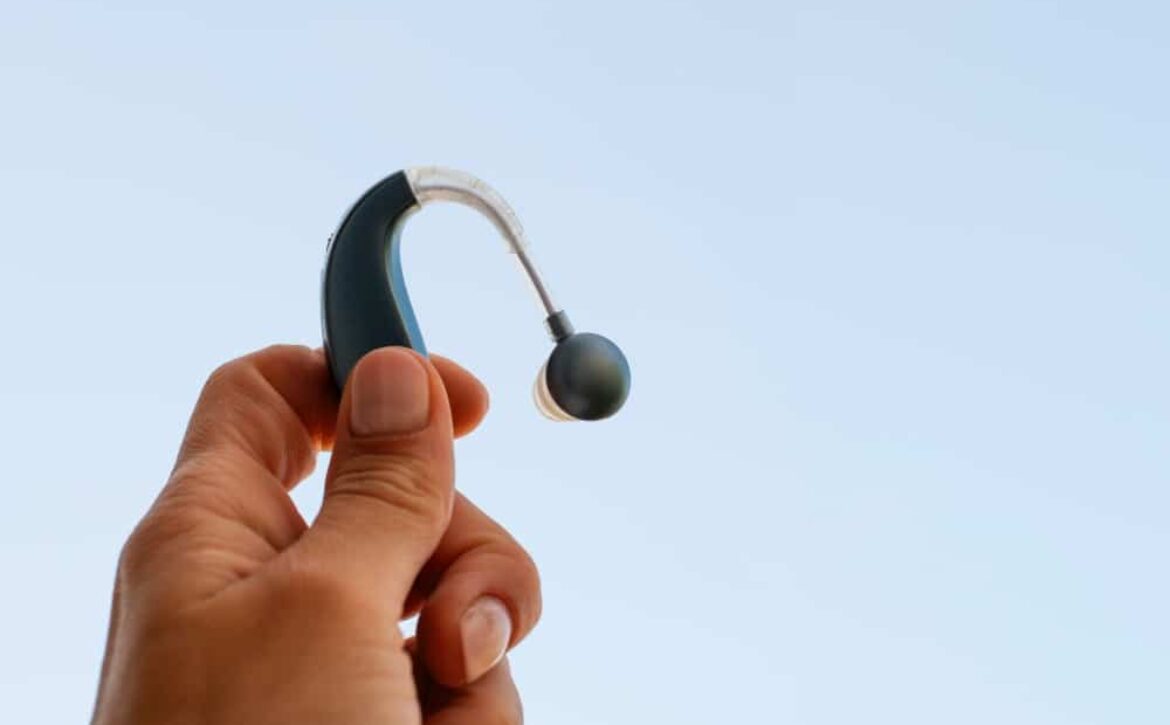
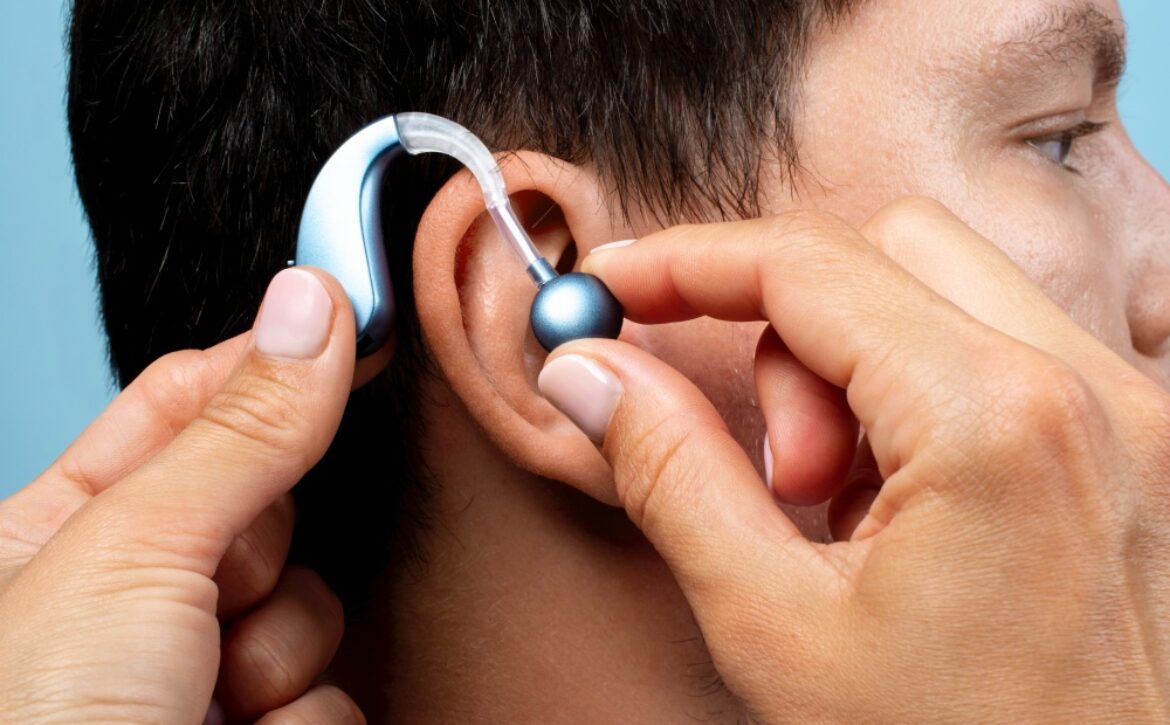
BTE hearing aid devices are among the most widely recognized and used types of hearing aids. These devices have an ergonomically designed case that’s placed comfortably behind the ear and is connected to a custom-fitted earmold by a thin tube.

Ideal Candidates for BTE Hearing Aids

People with mild to profound hearing loss may benefit from BTE hearing aids. They are particularly suitable for those who prioritize long battery life and durability, as these devices are designed for daily use. Additionally, they cater well to people with dexterity challenges or limited fine motor skills due to their design allowing for easy handling and maintenance.

Key Features and Considerations for BTE Hearing Aids

These hearing aid devices are larger than other types, making them ideal for severe hearing loss. Their earmold is customized to fit the unique shape of the user’s ear, ensuring comfort and clear sound delivery.

BTE devices also include components like tubing and an ear hook that connect them to the earmold. In some cases, they are compatible with cochlear implants, offering versatility for managing hearing loss.

BTE Hearing Aid Features

  • Easy-to-Use Volume Buttons: User-friendly controls allow quick and straightforward volume adjustments, making it easier for individuals to adapt to changing environments.
  • Bluetooth Streaming Capabilities: Many modern BTE hearing aids feature Bluetooth connectivity, enabling seamless streaming from smartphones, tablets, and other compatible devices.
  • Telecoil Availability: Telecoil technology is another common feature in BTE hearing aids, allowing users to connect directly to compatible sound systems.
  • Battery Options: BTE hearing aids offer flexibility with battery types, including rechargeable and disposable options.

2. Receiver-in-Canal (RIC) Hearing Aids

RIC hearing aid devices are a modern and increasingly popular variation of BTEs. These types of hearing aids place a miniaturized receiver (speaker) directly in the ear canal, connected to the behind-the-ear unit by a thin, discreet wire. This design minimizes the distance sound travels, enhancing clarity and offering a blend of both power and discretion.

Advantages of RIC Hearing Aids

RIC hearing aids are among the most popular options because of their discreet design and versatility. They can accommodate a wide range of hearing needs, from mild to severe hearing loss. Additionally, this type of device often incorporates the latest technologies, delivering a natural sound experience, particularly for users with normal hearing in the lower frequencies.

Important Considerations for RIC Hearing Aids

RIC hearing aids often resemble BTEs, but their in-canal receiver demands careful upkeep to avoid damage from earwax and moisture. The delicate speaker wire requires gentle handling. Regular wax guard changes are essential for optimal sound. Some RIC models offer OTC self-fitting for added convenience.

RIC Hearing Aid Features

  • Easy-to-use Buttons: These hearing aids are equipped with easy-to-use buttons, allowing users to quickly adjust volume or switch between listening modes, enhancing usability in different environments.
  • Bluetooth Streaming Capabilities: Many RIC hearing aids include Bluetooth connectivity, enabling seamless streaming of audio from smartphones, TVs, and other devices.
  • Telecoil Functionality: Telecoil technology allows users to connect directly to hearing loop systems in public venues, improving sound quality by reducing background noise.
  • Flexible Battery Options: They offer both rechargeable and disposable battery options, giving users the flexibility to choose the power source that best fits their lifestyle and preferences.
  • Remote Programming: These devices support remote programming, allowing audiologists to make adjustments to the hearing aids via a smartphone app or internet connection, saving users time and trips to the clinic.
  • Self-fit OTC Options: Certain RIC hearing aids include over-the-counter (OTC) self-fit options, enabling users to personalize their devices without professional assistance and making them a more accessible choice for independent users.

3. In-the-Ear (ITE) Hearing Aids

In-ear hearing aid models are custom-made to fit entirely within the outer ear, providing a personalized and comfortable fit that conforms to the individual’s ear anatomy. This design offers a larger size that can accommodate more features and power.

Reasons to Choose ITE Hearing Aids

ITE hearing aids cater to various hearing loss levels, from mild to severe. Because these devices are custom-molded, they can also be a good choice for individuals with dexterity challenges or smaller ears. Moreover, they come with Bluetooth and streaming options that allow connections to multiple devices.

Essential Information About ITE Hearing Aids

Thanks to its smaller size, this type of hearing aid ensures they don’t interfere with glasses, which provides added comfort for glasses wearers. They also include features like Bluetooth streaming and rechargeable batteries, offering both functionality and convenience.

ITE Hearing Aid Features

  • Volume and Mode Controls: ITE devices typically feature integrated volume and program control buttons or wheels, allowing for easy adjustments.
  • Bluetooth Streaming: Bluetooth connectivity enables seamless wireless streaming of audio from smartphones, tablets, and other compatible devices.
  • Telecoil Availability: A telecoil, or t-coil, allows the hearing aid to receive sound directly from loop systems in public spaces, reducing background noise.
  • Battery Options: ITE hearing aids offer a variety of battery options, including both rechargeable and disposable batteries, to suit individual preferences.
  • Remote Programming: Many modern ITE models support remote programming, allowing audiologists to adjust settings remotely, adding convenience and flexibility.

4. In-the-Canal (ITC) Hearing Aids

ITC hearing aids are typically smaller than the ITE type, providing a more discreet appearance. They are designed to fit partially within the ear canal, offering a balance between concealment and functional performance. This placement aims to provide both a less visible hearing solution and better sound amplification.

Rationale for Choosing ITC Hearing Aids

ITC hearing aids can help address mild to moderate hearing loss. These types may also enhance sound localization by utilizing the ear’s natural acoustics and provide a comfortable fit for various ranges of ear canals rather than CIC models.

What to Know About ITC Hearing Aids

While the compact design of ITC hearing aids limits speaker power, their microphone placement utilizes the pinna effect for a more natural and directional hearing experience. However, some users may experience the occlusion effect, a feeling of fullness or echo due to partial ear canal blockage.

Moreover, it’s important to ensure a sufficient ear canal size before selecting this device for a secure and comfortable fit.

ITC Features

  • Volume and Mode Controls: ITC hearing aids often include small, easy-to-use volume and mode control buttons for quick adjustments.
  • Bluetooth Streaming: Many ITC hearing aids offer Bluetooth capabilities, allowing seamless audio streaming from smartphones and other devices.
  • Telecoil Availability: Telecoil functionality enables users to connect to hearing loops in public spaces, improving sound clarity and reducing background noise.
  • Battery Options: ITC hearing aids typically come with either rechargeable or disposable battery options, catering to individual preferences.
  • Remote Programming: With remote programming capabilities, users can have their hearing aids professionally adjusted via a smartphone app, ensuring optimal performance without visiting a clinic.

5. Completely-in-the-Canal (CIC) Hearing Aids

CIC hearing aids are among the smallest hearing aid options, fitting deeply into the ear canal for a near-invisible appearance. Designed to balance discretion and performance, they can provide sound amplification while maintaining a lightweight and compact form.

Who Benefits from CIC Hearing Aids?

CIC hearing aids are ideal for individuals who seek a subtle hearing solution that does not draw attention. They are particularly beneficial for those who require mild to moderate hearing loss. Their deep canal placement also ensures a snug and comfortable fit, making these devices suitable for people with normal-sized ear canals.

Key Information About CIC Hearing Aids

Their placement deep in the canal allows for a more natural hearing experience by capturing sound closer to its source. While their size enhances convenience, it may limit the power of the speaker and battery life.

Moreover, unlike larger types, these hearing aids typically lack space for onboard controls or extensive features like Bluetooth. However, some of the new versions have included external volume adjustment options or compatibility with smartphone apps, ensuring ease of use.

CIC Features

  • Small Size: Their distinct characteristic is their diminutive size, enabling deep canal placement and near-invisibility.
  • Battery Type: CICs utilize the smallest hearing aid batteries, which might need frequent replacement due to their limited capacity.
  • Bluetooth Availability (Limited): While generally limited, some CIC hearing aids may offer basic Bluetooth functionality for specific applications or devices.
  • Remote Adjustments: Many CICs support remote programming, allowing audiologists to fine-tune settings without requiring in-person visits.

6. Invisible-in-the-Canal (IIC) Hearing Aids

IIC hearing aids are considered the smallest and most discreet among all hearing aid types, offering near-complete invisibility when worn. Designed for deep insertion into the ear canal, these devices remain entirely out of sight. The deep placement makes them an ideal choice for those prioritizing discretion.

Reasons to Consider IIC Hearing Aids

IIC hearing aid devices are specifically designed for individuals with mild to moderate hearing loss. However, these types require an average ear canal size to ensure a secure and comfortable fit, as their deep placement is crucial for optimal performance. Despite their small size, IIC devices maintain essential functionality, providing reliable support to help manage the effects of hearing loss.

Essential Information About IIC Hearing Aids

IIC hearing aids are comfortable to wear and provide natural sound with reduced wind noise while staying securely in place during activities. They allow for natural sound direction detection and work seamlessly with headgear.

However, these types require precise maintenance, have limited features, have shorter battery life, and may be challenging for those with dexterity or visual impairments.

IIC Features

  • Tiny size: Their defining characteristic is their exceptionally small size, enabling their deep and hidden placement.
  • Battery information: IIC hearing aids utilize the smallest hearing aid batteries, requiring frequent replacement due to their limited power capacity. Unfortunately, there are no rechargeable IIC devices on the market so far.

Choosing the Right Hearing Aid Style

Selecting hearing aids depends on several factors, including dexterity, activity levels, hearing ability, and personal preferences. Consulting a hearing professional can help address these considerations. Below are some of the key aspects to consider when choosing a hearing aid device.

1. Dexterity Considerations

Individuals with dexterity challenges may find larger devices like ITE or BTE hearing aids more manageable, as their size allows for easier handling and adjustments. These devices also typically feature larger batteries, which are easier to replace and require less frequent changes, which offer added convenience. Their automated features and remote control options could also potentially help by simplifying adjustments and operations.

2. Activity Limitations

Homebound individuals or those with cognitive impairments may potentially benefit from BTE hearing aids with earmolds, which are durable, reliable, and easy to maintain. Assistive listening devices and alerting systems should also be considered to help enhance communication, safety, and independence. The robust design of BTE devices also makes them suitable for various activity levels.

3. Hearing Ability and Loss Type

Your hearing loss type may significantly influence the right hearing aid device for you. For instance, open-fit RITE styles are often suitable for high-frequency hearing loss, as they allow natural low-frequency sounds to enter the ear while amplifying higher frequencies.

Low-frequency hearing loss, however, presents unique fitting challenges, often requiring custom hearing aids or BTE devices with vented earmolds to deliver balanced sound without discomfort. Premium technology with advanced signal processing is also important for improving sound quality and clarity in cases of low-frequency loss.

Additionally, the size of the hearing aid could correlate with its power level. Smaller devices, such as completely-in-canal (CIC) or invisible-in-canal (IIC) models, might provide less amplification. In contrast, larger behind-the-ear (BTE) or in-the-ear (ITE) models could offer greater power and amplification, making them ideal for various degrees of hearing loss.

Other Key Questions to Ask

Choosing the right hearing aid in the Philippines involves several other considerations. In addition to familiarizing yourself with the six primary types, it’s essential to consider your personal needs.

Think about the severity of your hearing loss, your style preferences, the environments you’ll be in, and features like battery options and Bluetooth capabilities. Most importantly, ensure the device fits within your budget while searching for effective hearing aids for your condition.

While this guide offers a general overview of the options available, the ideal choice is ultimately a personal one. Thus, it’s important to schedule an appointment with a qualified hearing professional. They will perform a thorough hearing assessment, suggest appropriate hearing aid styles and features that cater to your specific requirements, and explain the different components of a hearing aid.

Whether you seek brand specifics, like Widex hearing aids, or ask for general information, a professional offers expert guidance for informed hearing health decisions.
February 10, 2025 by Hear Life 0 Comments

Widex vs Phonak: Which Hearing Aid is Right for You?

Choosing a good hearing aid can be a challenging decision, with many factors to consider, from technology and sound quality to individual hearing needs. However, when it comes to brand selection, Phonak and Widex are two established names frequently mentioned, each providing different features that address various needs.

This article explores how these two options compare, helping you weigh the considerations that may influence your choice.

Introducing the Options

Among the many brands available, Widex and Phonak are two prominent names in the hearing aid industry that often come to mind. With decades of experience, both companies have been providing products designed with a range of features to meet various hearing needs.

Widex is a Danish brand that was founded in 1956 and is known for its natural sound quality, music fidelity, and AI integration.

Phonak, on the other hand, was established in 1947 in Switzerland, and their devices are known for having health-tracking technology and universal Bluetooth capabilities.

With a diverse product range that offers a variety of features, both brands take different approaches that might align with various user preferences and requirements.

1. Style and Design Showdown

The design of a hearing aid can significantly impact the user experience, influencing both comfort and functionality. Understanding this, brands like Phonak and Widex are known for their focus on ergonomic designs and distinctive aesthetics, enhancing both the comfort and aesthetics of their hearing aids.

Widex offers the smallest rechargeable RIC on the market, with a boxy shape, and a variety of models, including Completely-in-Canal (CIC), In-the-Canal (ITC), and In-the-Ear (ITE) options, as well as Behind-the-Ear (BTE). Furthermore, Widex has also revamped the internal components of their custom hearing aids, making them 40% smaller for a sleeker, more discreet look. Their Moment range also includes a Behind-the-Ear (BTE) model, which might be suitable for those needing extra auditory power. Overall, Widex hearing aids deliver high sound quality to help improve the listening experience in every design.

Meanwhile, Phonak hearing aids are designed with rounded, teardrop-shaped Receiver-in-Canal (RIC). Phonak’s devices also feature a toggle switch for manual control to enhance user-friendliness. However, some users have reported occasional problems with the double-tap feature.

2. Connectivity Face-Off

Both Widex and Phonak are among the hearing aid brands that provide optimal connection stability. This includes compatibility with smartphones and other gadgets, allowing users to easily stream calls, music, and other audio directly to their hearing aids.

Widex comes with robust Bluetooth capabilities, connecting effortlessly to iPhones through Made for iPhone (MFi) technology, delivering a seamless and high-quality sound experience. For Android devices, Widex utilizes ASHA (Audio Streaming for Hearing Aids) technology to provide excellent sound quality. iPhone users can also easily enjoy hands-free calls, although Android users may require an accessory for this functionality.

For Phonak, their hearing aids feature broad Bluetooth compatibility, allowing connections to a wide array of devices, ensuring flexibility and convenience for users. It also supports simultaneous connections and hands-free calling for both iOS and Android users.

3. App Control Battle

widex vs phonak

Both Phonak and Widex have developed mobile apps that can integrate seamlessly with their hearing aids, providing users with convenient access to a range of features and settings.

Widex comes with the MOMENT™ app, and it includes a “Find My Hearing Aid” feature that can help users locate their devices when misplaced. MOMENT™ also supports remote programming using additional accessories with volume control, program switching, and sound personalization features, which allow users to adjust their hearing device to meet their unique needs.

Phonak has the MyPhonak app, which also allows users to personalize their devices. Users can easily adjust volume, switch programs, create custom programs, and even track their health metrics. However, this app still lacks a “Find My Hearing Aid” feature.

While both apps are designed to enhance user-friendliness, the right choice will depend on your needs, as each app offers distinct advantages that may appeal to different preferences and priorities.

4. Special Feature Face-Off

Widex and Phonak have also produced hearing aids with features that enhance sound quality, user comfort, and overall experience. Some of their models even incorporate AI-driven personalization options to cater to specific hearing conditions.

For instance, Widex devices have “Made by You” and “Made for You” features, which aim to enhance the user experience by using AI algorithms to tailor the sound settings to an individual’s specific hearing needs and preferences, ensuring an optimized listening experience in any environment. Widex also offers tinnitus masking solutions with Widex Zen and SoundRelaxTM sound therapy programs, which are available via the Widex Zen Tinnitus Management app. These programs will generate calming sounds that might help cover up the ringing associated with tinnitus.

Meanwhile, Phonak offers an array of colors and dedicated designs for children, ensuring inclusivity for users of all ages. For those seeking discreet solutions, Phonak also provides nearly invisible hearing aids that blend seamlessly into the ear canal. Additionally, their hearing aids are built to support active lifestyles, maintaining excellent sound quality even during dynamic activities.

5. The Sound Quality Challenge

Sound quality is one of the most important considerations when choosing a hearing aid. To ensure a quality audio experience, numerous brands have integrated modern technology into their devices, including Phonak and Widex. Particularly, they have used technology powered by AI to help enhance audio performance and provide a more natural listening experience.

Widex excels in delivering natural, mellow sound quality, which might be ideal for those with mild to moderate hearing loss. Its ZeroDelay technology also helps to ensure minimal sound processing delay for a more authentic listening experience. Moreover, music enthusiasts will also appreciate its rich, immersive audio quality.

For Phonak, their sound is characterized as sharp and percussive, with AI-powered automatic adjustments that could adapt to various listening environments. Phonak also leverages AI to help optimize sound clarity in challenging environments.

These differences highlight the different strategies each brand employs to improve sound quality and cater to the varied preferences of their users.

Choosing What’s Right for You

At this rate, there are a number of hearing aid products users can choose from; each offers unique features and technology. For those seeking hearing aids that provide natural sound quality and personalization options, Widex hearing aid models may be one of the ideal choices. Their features and commitment to delivering a better listening experience make them suitable for users who prioritize quality and comfort.

Keep in mind that each individual might require different features in their hearing aids, depending on their preferences and degree of hearing loss. Therefore, it might be essential to try several brands and consult with a hearing professional to help you choose the hearing aid that suits you best.

Working with a hearing aid distributor in the Philippines can help ensure that your devices are properly configured and optimized to suit your preferences.

January 21, 2025 by Hear Life 0 Comments

What’s The Difference Between Widex And Oticon Hearing Aids?

When exploring hearing aids, it’s common to encounter various brands, each with unique features and benefits. And while doing so, you might have noticed that Widex, Oticon, and Phonak are some of the most prominent names in the industry. Therefore, if you’re planning on getting a hearing aid from one of these brands, you may need to understand the differences between them to help you make an informed decision.

In this article, we will specifically delve into some of the key aspects of Widex vs Oticon, from the design to the sound quality, giving you a better understanding of what they offer.

1. Design and Style

The design and style of hearing aids are important factors that may influence a user’s comfort and satisfaction. Both Widex and Oticon have distinct philosophies for their designs. Examining these aspects might help users select the right hearing aid.

Oticon hearing aids are known for their sleek, rounded designs and custom options ranging from discreet IIC models to dexterity-friendly ITE styles. It also adds a playful touch with unique color choices like sky blue and offers solutions for CROS devices, making it versatile and stylish. Their specific models, such as the Oticon More, showcase this design philosophy. This approach might appeal to users looking for a contemporary and visually appealing device.

Meanwhile, Widex focuses on discreetness, offering some of the smallest receiver-in-canal (RIC) hearing aids on the market. Models such as the Widex Moment Sheer, for instance, are known for their minimalist design and comfortable fit, which may appeal to users who prefer a more subtle hearing aid. With a wide range of in-the-ear and behind-the-ear models, Widex caters to diverse needs, combining innovation, quality, and practicality.

2. Connectivity and Technology

Connectivity and advanced technology are important aspects of modern hearing aids that may enhance usability and functionality, and both Oticon and Widex implement different technologies to meet users’ needs.

Oticon hearing aids feature comprehensive Bluetooth capabilities. They support Made for iPhone (MFi) and Audio Streaming for Hearing Aids (ASHA) connectivity, enabling hands-free calling for both iOS and Android devices with newer models. The use of Bluetooth Low Energy (LE) technology also provides compatibility with the Auracast broadcast feature. This universal compatibility, also adopted by Phonak, provides a seamless and versatile user experience for their devices.

Similar to Oticon, Widex also offers MFi and ASHA connectivity, providing iOS users with hands-free calling. However, their hands-free calling feature is limited for Android and might require an additional accessory. Widex also incorporates Bluetooth LE for smooth connectivity across devices. This approach could be particularly useful for users with specific device preferences and needs.

While both brands utilize Bluetooth technology, their implementation might differ based on device compatibility and specific needs. For instance, some devices may lack support for Bluetooth LE, which could hinder seamless connectivity with your hearing aid. Therefore, understanding your device’s compatibility is crucial to ensure a smooth and reliable connection.

3. App Functionality and Control

What is the difference between Widex and Oticon

What is the difference between Widex and Oticon

There is no denying that companion apps can enhance the user experience by providing intuitive control and personalization at your fingertips. Hearing aids from Oticon and Widex feature mobile app functionalities specifically designed to cater to their users’ needs and streamline their overall experience.

Oticon offers a user-friendly app with a simple control that allows users to adjust volume, switch programs, and monitor battery directly from the app. They also provide the ‘Find My Hearing Aid’ function, helping users locate their devices when misplaced. Additionally, Oticon’s remote care functionality should allow for adjustments from hearing care professionals without needing an in-person visit, enhancing convenience.

In contrast, Widex focuses on its AI-powered app that leverages PureSound technology for personalized sound adjustments, fine-tuned to each user’s preferences. Similar to Oticon, Widex hearing aids feature the ‘Find My Hearing Aid’ function. However, while Widex offers remote care like Oticon, users must have a neck loop accessory to utilize this feature.

4. Unique Features and Specializations

Many hearing aid brands emphasize unique features that may cater to different user needs and preferences. Oticon and Widex also incorporate special features to enhance the user experience.

For instance, Oticon offers an open 360° soundscape technology, aiming to deliver an accurate listening experience. This feature offers higher sound precision, which might help users locate sounds and better understand speech, especially in busy environments.

Widex, on the other hand, places significant emphasis on tinnitus-masking technology with its fractal sound feature. The availability of various tinnitus-masking sounds could provide relief for those dealing with this condition, which may help to enhance their quality of life.

Understanding how these features work and their potential benefits may help users choose the brand that aligns with their hearing needs.

5. Sound Quality and Processing

Sound quality is another essential factor in evaluating hearing aids, as it could directly impact the listening experience. Both Widex and Oticon employ different sound processing techniques.

Oticon’s hearing aid is known for its smooth and mellow sound while also providing an open soundscape that helps users remain aware of their surroundings. This approach might create a more natural listening environment, especially in complex auditory settings. Users who prefer a balanced and immersive sound might find this approach appealing.

Conversely, Widex focuses on delivering crisp, clear sound with ZeroDelay technology, aiming for minimal latency. This could potentially eliminate the echo effect often experienced with hearing aids, resulting in a more natural, lag-free sound. Those looking for precision and clarity might benefit from this technology.

The differences in sound processing approaches might affect how users perceive sounds in various environments. Understanding these differences could help make a more informed decision.

Making the Right Choice

It’s evident that each brand has its strengths and caters to different preferences. By understanding the differences between each brand, be it Phonak, Widex, Oticon, or other brands, users may be better equipped to choose the hearing aid that best meets their needs, ultimately leading to a more satisfying and effective hearing experience. Additionally, exploring options from a Widex hearing aid distributor might provide more insights into the specific Widex models available in the market.

However, the best choice should depend on individual needs, lifestyle, and personal preferences. As such, consulting with an audiologist can help you identify the most suitable option, as they may offer valuable insights and tailored recommendations based on a comprehensive assessment of your hearing requirements.

October 23, 2024 by Hear Life 0 Comments

Beginner Tips for Hearing Aids

Hearing aids are life-changing, enabling those with hearing loss to regain an essential sense and improve communication. When you’re using hearing aids for the first time, the adjustment period may require some patience. You might experience initial discomfort or feel overwhelmed by the new sensations.

However, the key to a smoother transition is learning what to expect and how to manage this adjustment phase so that you can discover what works best for you.

Common Challenges & Adjustments When Wearing Hearing Aids for the First Time

1. The Tips in My Ears Are Uncomfortable

One of the most frequent complaints from first-time hearing aid users is discomfort in the ears. The sensation of wearing something in your ears can feel strange or awkward, especially if you’ve never worn hearing aids before. You may notice pressure in the ear canal, or the tips may feel tight. This is perfectly normal, as your ears are not used to having a foreign object inside them.

Give yourself a few days to acclimate to the sensation. Often, this discomfort subsides as your ears become accustomed to the hearing aids. However, if the discomfort persists after a week or two, consult your audiologist. They may recommend different sizes or materials for the tips, such as softer silicone. In some cases, they might suggest a different style of hearing aid altogether, like a behind-the-ear (BTE) model instead of an in-ear one.

2. Things Will Sound Different

When you start wearing hearing aids, the world will sound noticeably different—and that’s a good thing! However, the change can be startling at first because your brain is suddenly receiving a lot more auditory input than it’s used to.

Everyday noises that you might not have noticed before, such as the hum of a refrigerator, the ticking of a clock, or footsteps on hard floors, may now seem amplified. This, in turn, can be overwhelming.

But it’s important to give yourself time and grace to adjust, as this is typically a temporary phase. Your brain is still trying to adjust to the new auditory signals, and when it eventually does, the sounds will potentially start to feel more natural.

3. Sounds Are So Much Louder

While hearing aids are designed to amplify sounds to compensate for hearing loss, this sudden boost in volume can be jarring at first. Simple noises like rustling paper, footsteps, or even the sound of water running can seem much louder than what you’re used to.

During this time, your brain simply needs to adjust. The brain’s natural ability to filter out unnecessary noise (like background chatter or traffic sounds) will take some time to re-engage after being deprived of these sounds due to hearing loss. In some cases, you could have a more balanced and comfortable hearing level in a few weeks. If it remains overwhelming, it’s always worth discussing this with your audiologist—they may adjust the settings to make the transition smoother.

4. My Voice Sounds So Much Louder

A common first-time experience with wearing hearing aids is feeling like your own voice sounds amplified. This is because of changes in ear canal acoustics and microphone feedback. Hearing aids alter how sound waves travel through your ear canal, and this can make your voice seem louder than it really is, a phenomenon called the “occlusion effect.” Additionally, the microphones in your hearing aids pick up your voice and may amplify it more than you’re used to, creating an echo-like or booming sensation.

However, your brain will gradually adjust to this new experience. While the adjustment period may be different for everyone, in most cases, your voice may sound more natural again within a few weeks. During this period, it may help to practice speaking aloud in quiet environments to get accustomed to the new sensation.

5. My Hearing Aids Sound Unnatural

It’s not unusual for sound through your hearing aids to feel a little artificial at first. This is especially true for people with more advanced hearing loss, as the jump from impaired hearing to amplified sound can feel stark.

Several factors influence sound quality. The way you perceive sound through hearing aids can depend on the device’s technology, the level of your hearing loss, and how your brain processes the amplified sound. Hearing aids digitally process sounds, and depending on the quality of the device, there may be a slight difference between the natural sound you remember and what you now hear.

However, the brain has an amazing ability to adapt to changes in sensory input, but it can take time. At first, amplified sounds may feel flat, tinny, or artificial because they’re being digitally processed by the hearing aids. Over time, your brain will “relearn” how to interpret these sounds, and they will begin to feel more natural.

6. No One Will Notice Your Devices

It’s completely natural to feel self-conscious when wearing hearing aids for the first time. Many often worry that others will immediately notice their hearing aid, leading to feelings of embarrassment or anxiety. However, rather than focusing on how your hearing aids will look, you could try to shift your focus to the positive changes they bring to your life.

With your hearing aids, you’ll be able to engage more fully in conversations, enjoy clearer communication, and participate in social interactions without straining to hear. And these advantages can outweigh any concerns about appearance.

7. You May Hear Yourself Differently

Your auditory feedback loop has been broken by hearing loss, so when you wear hearing aids for the first time, your own voice might sound odd. The auditory feedback loop helps us monitor the sound of our own voice, adjusting volume and tone naturally in response to what we hear. When hearing loss occurs, the brain adapts to the lack of auditory input, making your voice sound quieter or more muffled. Once you begin using hearing aids, this loop is reconnected, but it takes time for the brain to readjust.

The odd sensation of hearing your own voice will fade over time. As with other sounds, your brain will adapt to the new auditory signals and adjust to the way your voice sounds through the hearing aids. This adjustment period varies from person to person, but most users find that within a few weeks, their voice sounds natural again.

8. You’ll Probably Forget You’re Even Wearing Hearing Aids

Once you’ve successfully adjusted to wearing hearing aids, they’ll likely become a seamless part of your daily life. In fact, many users report that after the initial adjustment period, they forget they’re even wearing them. It also helps that today’s hearing aids are lightweight, non-intrusive, and made to fit comfortably in or around your ear.

With consistent use, you’ll become more comfortable with the sensation of wearing them, and they will become an integral part of your daily routine.

9. Return Visits

Hearing aids are not a one-size-fits-all solution, and they require ongoing adjustments to ensure they’re providing you with the best hearing experience. Once you’ve been fitted with your hearing aids, follow-up appointments for hearing assessments are crucial for making sure everything is working as it should.

During your follow-up appointments, your audiologist will use a combination of your feedback and technical measurements to tweak your hearing aids. These adjustments can include refining volume levels, adjusting sound frequencies, and even recalibrating noise reduction features to ensure optimal clarity in various environments, such as noisy restaurants or quiet offices.

Audiologists often use “real ear measures,” which is a tool used to measure how well your hearing aids are amplifying your sound in real time. These measurements provide crucial data to ensure that the devices are amplifying sound appropriately for your specific hearing loss and ear anatomy. This personalized approach helps ensure that your hearing aids are fine-tuned to your unique needs, giving you an optimal hearing experience.

10. You Should Be Hearing Better

At the end of the day, the primary goal of wearing hearing aids is to improve your ability to hear and communicate with those around you. If everything is working as it should, you should notice significant improvements in your overall hearing quality and clarity.

Hearing Aid Tips to Ease the Transition

Wearing hearing aids is a significant change, but there are ways to make the transition smoother.

1. Give It Time

Adjusting to hearing aids takes patience. But to help you gradually get used to sound while wearing your hearing aid, start by wearing them for just a few hours each day. Then, increase the wear time as you become more comfortable. Your brain needs time to adapt to the new sound input, so be patient with yourself and allow this adjustment to happen naturally without rushing the process.

2. Read Aloud

Reading aloud is an excellent way to help your brain reconnect sound and language. This simple practice retrains your brain to process and understand sounds in context, helping to reinforce how words and sounds work together, which can speed up the adjustment to hearing aids.

3. Watch TV with Captions

When watching TV, using captions can be a great aid in helping your brain link sounds to speech. Captions visually reinforce the words you hear, making it easier for your brain to associate sounds with language, and this can be particularly useful during the early stages of wearing hearing aids.

4. Keep Your Hands Off the Volume Setting

Modern hearing aids are designed to automatically adjust the volume to provide an optimal hearing experience. Avoid manually changing the volume, as this can disrupt the device’s ability to adjust to different environments. Trust your hearing aids to make the necessary sound changes on their own.

5. Keep Your Hearing Aids Safe

Proper care and storage are essential to extending the life of your hearing aids. Make sure to store them in a dry and safe place when they are not in use. Additionally, clean them regularly, following your audiologist’s instructions, and be diligent about battery care to ensure they continue to function effectively.

6. Keep Your Ears Healthy

Maintaining good ear hygiene is vital for your hearing aids to work properly. Keep your ears dry and avoid inserting objects, like cotton swabs, into your ear canal. Healthy ears allow your hearing aids to perform at their best, ensuring a clear and comfortable hearing experience.

7. It’s Okay to Ask for Help

If you have any concerns or questions, don’t hesitate to ask your audiologist for help. Open communication is key to having a positive experience with your hearing aids, and your audiologist is there to support you through this transition, making any necessary adjustments to improve your comfort and hearing quality.

8. Read Up on Your New Technology

Understanding the features of your hearing aids can help you maximize their benefits. Take time to read the user manual and explore additional resources if needed. The more you know about your devices, the more confidently you’ll be able to use them, ensuring a smoother and more enjoyable experience.

Wear Your Hearing Aids with Pride

While wearing hearing aids can take some time to get used to, it’s important to remember how these tools help you with hearing and communication. As long as you wear your hearing aids, you could stay connected to the world around you—whether it’s hearing the voices of loved ones more clearly or participating in conversations with ease.

Moreover, hearing aids in the Philippines are typically designed to be discreet and user-friendly. By wearing them, you’re taking control of your hearing health and navigating barriers that once limited your ability to properly engage in life’s most meaningful experiences.

For more insights, check out what you should expect at your first consultation with a hearing specialist.

August 13, 2024 by Hear Life 0 Comments

Are Bluetooth Hearing Aids the Better Hearing Aid Option?

Bluetooth hearing aids have been gaining popularity among users in recent years due to their features and connectivity options. Unlike traditional hearing aids, which primarily focus on amplifying sound, Bluetooth hearing aids integrate seamlessly with various digital devices, offering a more versatile and convenient listening experience.

Its ability to connect with other devices allows for more functions, from communication to directly streaming audio. This not only improves the overall user experience but also has the potential to significantly enhance patient outcomes by providing more personalized and accessible hearing solutions.

What Features Make Bluetooth Hearing Aids a Better Option?

1. Connect Hearing: A World of Audio Options

Bluetooth technology has changed the way patients with hearing aids experience audio. With Bluetooth hearing aids, users can directly stream audio from phones, TVs, and other devices straight to their hearing aids, enhancing their listening experience. This seamless integration eliminates the need for separate streamers or dangling wires, making it more convenient and user-friendly.

Whether it’s enjoying a favorite TV show or following a conversation on the phone, Bluetooth connectivity ensures a clearer, more immersive sound quality. This technology ensures that everyday audio interactions are not only accessible but also significantly more enjoyable, fostering greater satisfaction among users.

2. Clearer Communication: Enhanced Mobile Phone and Media Use

One of the standout features of Bluetooth hearing aids is their ability to facilitate hands-free phone calls and deliver clearer audio quality when using multimedia devices like tablets. This technology allows users to connect their hearing aids to their smartphones, enabling them to take calls without holding the phone to their ears.

Direct audio streaming ensures that voices are heard clearly and distinctly, which is particularly beneficial for individuals with hearing loss. Moreover, it improves communication and enhances media enjoyment, allowing users to fully engage with their digital devices.

3. Personalized Control: Discreet Volume and Program Adjustments

Bluetooth-enabled apps give users a new level of control over their hearing aids. These apps allow patients to discreetly adjust volume and hearing aid programs directly from their smartphones without drawing attention to themselves. This feature empowers patients to manage their hearing needs in various environments, whether in a noisy restaurant, a quiet meeting room, or enjoying an outdoor activity. The ability to make real-time adjustments improves their sense of control and confidence, ensuring they can optimize their hearing experience to suit any situation.

4. Improved Telehealth Opportunities: Remote Monitoring and Adjustments

Bluetooth hearing aids also open up new possibilities for telehealth, allowing for remote monitoring and adjustments by hearing professionals. This means that patients can receive follow-up care and necessary adjustments without the need for in-person visits.

It allows patients to hear their audiologists from their Bluetooth hearing aids during telehealth calls, making remote communication simpler. This not only saves time and money but also ensures that patients receive timely care, enhancing the overall management of their hearing health.

What Are the Disadvantages of Using Bluetooth Hearing Aids?

While Bluetooth hearing aids offer numerous benefits, there are also some drawbacks to consider. One is its battery life. Constant Bluetooth connectivity can drain hearing aid batteries quickly, necessitating more frequent recharges or battery replacements.

Some may also find that the Bluetooth hearing aid device price could be costly, which can be a barrier for some users. However, its higher price is a reflection of its added technology and wide range of features.

Additionally, the initial setup process for pairing hearing aids with devices can be complex and challenging for some users, particularly those who are not tech-savvy.

How Long Do Bluetooth Hearing Aid Batteries Last?

The lifespan of Bluetooth hearing aid batteries varies based on several factors, such as the degree of hearing loss and usage patterns. Most Bluetooth hearing aids can last a full day before needing to be recharged overnight.

However, when used for calls and streaming frequently, this could potentially drain the batteries rapidly. Your hearing aids will also need extra power should you have a higher degree of hearing loss, which can affect its battery life.

Find Bluetooth Hearing Aids at Hear Life

Hear Life offers a wide range of Bluetooth hearing aids from trusted brands like Widex, which are known for their seamless connectivity and how they can help address the diverse hearing needs of Filipinos.

Widex models enable users to effortlessly connect to their digital devices, providing an enhanced and convenient hearing experience. Whether it’s enjoying music, watching TV, or taking phone calls, Widex Bluetooth hearing aids can help make everyday interactions more accessible and enjoyable.

At Hear Life, our priority is to deliver high-quality hearing solutions that enhance everyday communication and listening, empowering users to live their lives to the fullest with the best hearing technology available.

For more information about hearing aid innovations, check out our guide on how to know if artificial intelligence for hearing aids is suitable for you.

March 25, 2024 by webadmin 0 Comments

HearLife Philippines: Your Trusted Partner in Understanding Hearing Aids

Imagine a world where vibrant conversations flow effortlessly, laughter fills the air with joy, and the melodies of life ring clear and true. At HearLife Philippines, we believe everyone deserves to experience this world, free from the limitations of hearing loss.

We are more than just a hearing aid provider; we are your trusted partner on your journey to rediscovering sound. With our unwavering commitment to personalized care, expert audiologists, and state-of-the-art facilities, we empower you to take control of your hearing health and unlock a world of possibilities.

Understanding Your Unique Hearing Journey: How Hearing Aids Adapt to You

While the core function of hearing aids – amplifying sound – remains the same, the technology within and the settings chosen personalize them to your unique hearing needs and preferences. Here’s how:

  1. Tailored Amplification:
  • Hearing tests: Our audiologists conduct comprehensive hearing tests to create a map of your specific hearing loss pattern. This map pinpoints which frequencies you struggle with, allowing for targeted amplification.
  • Individualized settings: Based on the map, your audiologist adjusts the hearing aid’s amplification for different frequencies, ensuring the sounds you miss are brought to life while keeping comfortable levels for those you hear well.
  1. Addressing Different Needs:
  • Mild loss: Focus on clarity in conversations and enjoying social gatherings. Your hearing aid might prioritize speech understanding and reduce background noise in these situations.
  • Moderate loss: You might benefit from features like directional microphones focusing on the speaker’s voice and advanced noise reduction algorithms for busy environments.
  • Severe to profound loss: Widex hearing aids, our innovative partner, offer sophisticated sound processing and personalized programs to suit your specific level of hearing loss.
  1. Beyond amplification:
  • Personal preferences: Do you prefer a natural listening experience or sharper sounds? Your audiologist works with you to adjust settings like compression and sound profiles to match your preferences.
  • Lifestyle considerations: Whether you’re active, enjoy music, or work in noisy environments, your hearing aid can be programmed with specific features to enhance your listening experience.

Why Choose HearLife Philippines?

  • Personalized Care: We understand that hearing loss is unique to each individual. That’s why we tailor our approach to your specific needs and preferences, ensuring you receive the most effective solutions.
  • Expert Audiologists: Our team of highly qualified and experienced audiologists is passionate about helping you achieve optimal hearing health. They stay up-to-date on the latest advancements in hearing technology and provide you with comprehensive guidance and support throughout your journey.
  • State-of-the-Art Facilities: We are equipped with the latest diagnostic tools and technologies to ensure our assessment is as accurate as possible of your hearing needs. Our comfortable and welcoming clinics provide the perfect environment for you to feel at ease during your consultations.
  • Life-Changing Widex Technology: We are proud to partner with Widex, a world-renowned leader in hearing aid innovation. Widex hearing aids are designed to seamlessly integrate with your lifestyle, offering superior sound quality, natural listening experiences, and advanced features for effortless communication.

Accessibility and Wide Network

We understand that access to quality hearing care shouldn’t be a barrier. That’s why we have a growing number of clinics conveniently located across the Philippines. We also offer flexible appointment scheduling and accessibility initiatives to ensure everyone has the opportunity to experience the life-changing benefits of better hearing.

Special Offers and Promotions

At HearLife Philippines, we are committed to making hearing care affordable. We regularly offer special promotions and discounts on our hearing aids and services. Be sure to inquire about our current offerings when you visit one of our clinics.

Rediscover the Joy of Sound with HearLife Philippines

Take the first step towards a brighter future filled with clear communication and vibrant connections. Contact HearLife Philippines today to schedule a free consultation with one of our expert audiologists. You may also call (02) 8-395-1944 to book an appointment. We are here to help you rediscover the joy of sound and unlock a world of possibilities.

Together, let’s turn up the volume on life!

February 23, 2024 by webadmin 0 Comments

Nurturing Tiny Ears: Empowering Children’s Development with Widex Pediatric Solutions

A child’s world is a symphony of sounds – the lullaby of a parent, the laughter of friends, the crackle of turning pages in a storybook. But for children with hearing loss, this symphony can be muted, leaving them isolated and struggling to keep up with their peers.

Early intervention is crucial for children with hearing loss. The first few years of life are critical for developing speech, language, and social skills. Without proper hearing, these skills can be delayed, impacting a child’s development and future success.

This is where HearLife Philippines and Widex pediatric hearing aids come in. We are dedicated to helping children with hearing loss reach their full potential by providing them with the latest technology and comprehensive support.

Why Choose Widex Hearing Aids for Your Child?

Widex understands that children’s hearing needs are unique. They offer a variety of specialized features to ensure your child’s comfort, growth, and sound processing needs are met.

  • Comfort and fit: Widex hearing aids are designed to be small and lightweight, ensuring a comfortable fit even for the tiniest ears. They come in a variety of colors and styles to suit your child’s personality.
  • Durability: Children are tough on their belongings, and Widex hearing aids are built to last. They are water-resistant and dustproof, so your child can play and explore without worry.
  • Advanced sound processing: Widex hearing aids feature advanced technology that helps children hear speech clearly in noisy environments. This is essential for their development in school and social settings.
  • Connectivity: Widex hearing aids can connect to a variety of devices, such as smartphones and TVs, making it easier for your child to stay connected and engaged.

Tips for Parents and Caregivers of Children with Hearing Aids

  • Get involved: Be an active participant in your child’s hearing journey. Work closely with your audiologist to ensure your child is getting the most out of their hearing aids.
  • Be patient: It takes time for children to adjust to hearing aids. Be patient and understanding as your child learns to hear and process sounds in a new way.
  • Make it fun: Turn hearing aid use into a positive experience. Let your child choose their own hearing aid styles and colors. Use fun and engaging activities to help them practice listening skills.
  • Seek support: You are not alone. There are many resources available to parents and caregivers of children with hearing loss. Connect with other families, join support groups, and reach out to your local HearLife Philippines branch for assistance.

HearLife Philippines: Your Partner in Nurturing Tiny Ears

At HearLife Philippines, we are committed to providing children with hearing loss with the best possible care. We offer a wide range of services, including:

  • Hearing assessments: We offer comprehensive hearing assessments to determine the type and degree of your child’s hearing loss.
  • Hearing aid recommendations: Our experienced audiologists will work with you to find the right hearing aids for your child’s needs.
  • Hearing aid fitting and programming: We will ensure your child’s hearing aids are fitted properly and programmed to optimize their hearing.
  • Aural rehabilitation: We offer a variety of aural rehabilitation programs to help your child develop listening and communication skills.
  • Ongoing support: We are here for you every step of the way. We offer ongoing support and counseling to help you and your child adjust to hearing aids and navigate the challenges of hearing loss.

Don’t let hearing loss dim your child’s future. Contact HearLife Philippines today and schedule a consultation for your child. Together, we can help them hear the world and reach their full potential.

June 26, 2023 by webadmin 0 Comments

Artificial Intelligence on your Hearing Aids: Is It For You?

Artificial intelligence (AI) and machine learning are making waves in the hearing aid industry. These technologies are transforming how hearing aids work, and providing personalized solutions for people with hearing loss. Let us understand the difference between AI and machine learning, understand their impact on hearing aids, and discuss their benefits to users and hearing care professionals. Let’s get ready to discover the exciting possibilities of AI and machine learning in hearing aids.


The Origins of AI and Machine Learning

AI emerged from the desire to create computers that mimic human cognitive processes. The Turing Test, developed in 1950, aimed to determine if a computer could convince a human that it was interacting with another human. Machine learning, on the other hand, focuses on ongoing learning and problem-solving capabilities beyond human capabilities.


Differentiating AI and Machine Learning

AI involves computer systems performing tasks humans typically do, such as recognizing faces or driving cars. It aims to replicate learned tasks. Machine learning, however, goes beyond imitation and focuses on continuous learning and problem-solving that surpasses human abilities.


AI and Machine Learning in Hearing Aids

AI technology allows hearing aids to synchronize adjustments between both ears or utilize sound classification to optimize features and gain in specific environments. Machine learning takes hearing aid customization further by capturing individual preferences and intentions, enabling personalized adjustments based on real-time interaction with the user.


Widex’s Machine Learning Solution

SoundSense Learn, developed by Widex, utilizes machine learning for individual adjustments of hearing aids. Collecting user input through a simplified interface compares complex combinations of settings to determine the optimal listening settings. Users can achieve immediate gratification in just a few interactive steps and refine their acoustic settings to align with their specific listening intentions.


Benefits of Machine Learning in Hearing Aids

Machine learning empowers hearing aid users to customize and personalize their soundscape environment according to their preferences and intentions. It eliminates the need for users to remember and explain difficult listening situations to their hearing healthcare professional. Additionally, anonymized data collected from the SoundSense Learn feature provides valuable insights for further improvements in hearing aid technology.


Advancements in the Hearing Aid Industry

Widex is the sole manufacturer currently implementing real-time machine learning in hearing aids. While other manufacturers explore features like fall detection and connectivity through sensors and the Internet of Things (IoT), few prioritize sound quality, patient preference, and listening intentions. These new technologies require hearing care professionals to adapt and master them to keep pace with the industry’s evolution.


The Future of Hearing Aids and AI

Integrating advanced AI and machine learning into the hearing aid industry holds immense potential. These technologies can revolutionize sound quality, customization, and patient satisfaction by surpassing what humans can achieve alone. The future of hearing aids will likely see further innovations and advancements driven by brilliant engineers in the industry.

AI and machine learning can potentially enhance the functionality and customization of hearing aids. 


Image from Widex


With features like SoundSense Learn, hearing aid users can experience immediate gratification and personalize their listening experience. As the hearing aid industry continues to evolve, hearing care professionals must embrace and master these technologies to meet the growing expectations of their patients. The future promises exciting advancements that will redefine the hearing experience and improve the lives of individuals with hearing loss.


We understand the challenges of living with hearing loss, and we’re here to help you. Hearlife is dedicated to improving your hearing and quality of life. Experience the life-changing benefits of Widex hearing aids, meticulously designed with advanced technology and customized solutions. We offer hearing tests and assessments for adults, tinnitus management, hearing aids and custom ear plugs

Take a proactive step towards better hearing today. Find a branch near you. Contact us at 02-83959144 today to schedule a consultation, and let us guide you on your journey to rediscover the joy of clear and natural sound with Widex. You deserve to hear the world around you with clarity and confidence.

June 26, 2023 by webadmin 0 Comments

The Impact of Widex Hearing Aids on Communication and Social Interaction

Hearing aids offer personal advantages and contribute to better interactions with those around you. In addition to improving your communication ability, they alleviate the stress and anxiety associated with social interactions. Whether you’re considering getting a hearing aid or unsure about scheduling an appointment with an audiologist, here are some key benefits you can expect from using a hearing aid.

Enhanced Communication with Loved Ones 

Many people opt for hearing aids due to inner ear damage caused by factors like age-related deterioration or prolonged exposure to loud noises. Using a hearing aid must be considered to support the remaining nerve cells in your ear. By amplifying sound vibrations and transmitting them to the brain, a hearing aid enables surviving nerves to compensate for the loss of others, resulting in improved hearing abilities. Additionally, this amplification promotes better mental well-being.

Improved Communication Skills 

Another significant benefit of using a hearing aid is enhancing communication skills. Hearing loss often leads individuals to shy away from conversations out of fear of missing words or misunderstanding what others are saying. Engaging in meaningful discussions with friends or loved ones can be challenging if you only catch fragments of their words.

You can benefit from amplified sound by obtaining a hearing aid from a qualified audiologist, enabling more natural communication. No longer will you have to avoid social gatherings or endure the stress of struggling through a conversation. With increased confidence in your ability to hear and speak, using a hearing aid can be a life-changing experience.

Positive Impact on Mental Health 

Hearing aids have a significant positive impact on the mental health of individuals with hearing loss. By addressing these individuals’ challenges, hearing aids reduce fatigue, frustration, and emotional distress. Improved communication reduces isolation, fostering a sense of connection and belonging. Hearing aids also improve relationships, alleviate strain, and enhance sleep patterns, promoting better mental well-being. Embracing the potential of hearing aids brings hope, vitality, and joy, positively impacting overall well-being and relationships.

Enhancing Communication for Your Loved Ones 

When you have hearing loss, it’s easy to assume that others don’t want to converse with you. However, in most cases, the opposite is true. By withdrawing from family gatherings due to hearing difficulties, you inadvertently create a disconnection that those around you want to overcome.


This strain on relationships can hinder what would otherwise be positive connections. A hearing aid effectively addresses this issue, improving your hearing abilities and facilitating better communication. With the support of a hearing aid, you can reclaim the meaningful conversations you once enjoyed.


In addressing hearing loss issues, Widex is a trusted and innovative brand that offers advanced solutions to improve hearing and enhance communication with loved ones. Widex hearing aids are designed with cutting-edge technology and a focus on user experience, ensuring optimal performance and comfort. 


Here’s how Widex can help address the challenges of hearing loss:


  1. Superior Sound Quality: Widex hearing aids are renowned for their exceptional sound quality. Their advanced signal processing capabilities provide clear and natural sound reproduction, allowing you to experience the full richness of conversations and the world around you.
  2. Customized Solutions: Widex recognizes that each individual’s hearing needs are unique. Their hearing aids are customizable, allowing for personalized fitting and programming to match your specific hearing loss profile. This tailored approach ensures you receive the optimal amplification and settings for your hearing requirements.
  3. Discreet Design: Widex offers a range of hearing aids in various styles, including behind-the-ear (BTE) and receiver-in-canal (RIC) options. These devices are designed to be discreet and comfortable, blending seamlessly with your appearance while providing the necessary amplification for improved hearing.
  4. Wireless Connectivity: Many Widex hearing aids come equipped with wireless connectivity features, such as Bluetooth connectivity and smartphone compatibility. This enables you to connect directly to your mobile devices, television, or other audio sources, streaming sound directly into your hearing aids for a convenient and immersive listening experience.
  5. Intelligent Sound Processing: Widex hearing aids employ intelligent sound processing algorithms to adapt to different listening environments. They can automatically detect and adjust to noisy environments, reduce background noise, and focus on speech sounds, ensuring you can effortlessly follow conversations even in challenging acoustic situations.
  6. Tinnitus Management: Widex also offers innovative solutions for tinnitus management. Their hearing aids can relieve tinnitus symptoms by generating soothing sounds or incorporating sound therapy programs that help distract from the perception of tinnitus, promoting a greater sense of well-being.


With Widex’s commitment to quality, innovation, and personalized care, they are dedicated to helping individuals with hearing loss regain their ability to communicate effectively and reconnect with their loved ones. By choosing Widex, you can trust in their expertise and technology to address the challenges of hearing loss and improve your overall hearing experience.

We understand the challenges of living with hearing loss, and we’re here to help you. Hearlife is dedicated to improving your hearing and quality of life. Experience the life-changing benefits of Widex hearing aids, meticulously designed with advanced technology and customized solutions. We offer hearing tests and assessments for adults, tinnitus management, hearing aids and custom ear plugs


Take a proactive step towards better hearing today. Find a branch near you. Contact us at 02-83959144 today to schedule a consultation, and let us guide you on your journey to rediscover the joy of clear and natural sound with Widex. You deserve to hear the world around you with clarity and confidence.

March 31, 2023 by webadmin 0 Comments

Why Should I Buy Widex Hearing Aids?

Widex is a well-respected and established brand in the industry, and their hearing aids are generally considered high quality. However, the “goodness” of a hearing aid can depend on various factors, including the individual’s hearing loss, lifestyle, and preferences.

Widex is founded in Denmark in 1956. The company is known for its cutting-edge technology and innovative design, which has led to many industry awards and recognition. Widex is also a family-owned company, which means that they are invested in providing quality products and services that meet the needs of its customers.

Unique Features

One of the key features that sets Widex hearing aids apart from other brands is their proprietary sound processing technology, called SoundSense. This technology analyzes the user’s environment and automatically adjusts the hearing aids to provide the best sound quality. This means users can enjoy a more natural listening experience and improved speech recognition, even in noisy or challenging environments.

Another unique feature of Widex hearing aids is their ability to connect wirelessly to other devices, such as smartphones and televisions. This allows users to stream audio directly to their hearing aids without needing external accessories or cables. This feature is handy for people who enjoy listening to music or watching TV, providing a more immersive and personalized listening experience.

Customer Preference

Many customers prefer Widex hearing aids because of their advanced technology, including noise reduction, directional microphones, and Bluetooth connectivity. Widex also offers a wide range of hearing aid models, including behind-the-ear (BTE), receiver-in-canal (RIC), and in-the-ear (ITE) styles, to accommodate different types of hearing loss and individual needs.

Widex hearing aids are also known for their comfortable and discreet design. Many models are available in different sizes and colors; some are so small that they are virtually invisible when worn. This is especially important for people who are self-conscious about hearing aids or want a more natural look.

In addition, Widex hearing aids are often praised for their sound quality, which is described as clear and natural. Many customers also appreciate the brand’s focus on user-friendly design, with features like easy-to-use controls and automatic settings that adapt to different environments.

While no single “best” hearing aid brand or model exists, many customers have had positive experiences with Widex hearing aids and appreciate the brand’s commitment to innovation, quality, and user experience. It’s always a good idea to consult with a hearing healthcare professional to determine which hearing aid best fits your individual needs and preferences.

Request a callback if you’re interested in learning more about the selection of Widex hearing aids we have available.

Schedule an Appointment Free Consultation
Viber Us!
FREE Hearing Aid Trial!