Category: Hearing Loss

January 24, 2025 by Hear Life 0 Comments

Understanding Sudden Sensorineural Hearing Loss (SSHL)

Imagine waking up one morning and realizing that the world sounds muffled like you’re underwater. Or perhaps you notice a persistent ringing in your ear that just won’t go away. For those experiencing Sudden Sensorineural Hearing Loss (SSHL), this can be a frightening reality.

SSHL is a type of hearing loss that may occur suddenly and progress within several hours. This condition usually starts in one ear, though it can occasionally progress and affect both ears.

In this article, we’ll dive deeper into SSHL, exploring its symptoms, causes, and ways to address the condition.

What Causes SSHL?

While for most individuals diagnosed with this condition, the specific trigger remains unknown or idiopathic, some potential triggers often include vascular problems, abnormal cellular stress responses within the cochlea, and immune system reactions.

Although less common, the following conditions may also cause Sudden Sensorineural Hearing Loss:

  • Meniere’s Disease: This condition of the inner ear is characterized by vertigo, tinnitus, and fluctuating hearing loss, which can sometimes cause sudden sensorineural hearing loss.
  • Prolonged Exposure to Loud Noise: Constant exposure to loud sounds for a long period of time will potentially harm the sensitive components of the inner ear.
  • Lyme Disease: Lyme disease can affect hearing health if undiagnosed or untreated. This disease can cause damage to the inner ear and nerves, which may lead to symptoms that include tinnitus, vertigo, hyperacusis, and even sudden sensorineural hearing loss.
  • Malfunction of the Inner Ear: Any dysfunction in the inner ear, whether congenital or due to injury, can lead to sudden hearing loss. This could involve issues with the cochlea or auditory nerve.

Additionally, SSHL can be triggered by various other factors, including certain medications, snake bites, blood circulation problems, tumors, and aging.

Due to this range of potential causes, it’s crucial to seek medical attention as soon as symptoms appear. Early diagnosis and intervention can significantly improve the chances of managing the condition effectively and minimizing its impact on your hearing.

Congenital SSHL

Sensorineural hearing loss can be congenital in some rare cases, meaning it is present at birth. Hearing Science experts estimate that 1 to 3 out of 1,000 babies are born with some degree of hearing loss, and the causes can vary from genetics to viral infections during pregnancy.

Some of the factors that may cause congenital sensorineural hearing loss include:

  • Genetic Factors: Some children are born predisposed to hearing loss due to inherited genetic mutations that affect the inner ear’s function.
  • Complications During Pregnancy or Birth: Prenatal infections, insufficient oxygen during birth, or complications during delivery may disrupt the development of the auditory system, potentially resulting in hearing loss.
  • Infections: Maternal infections such as rubella or cytomegalovirus (CMV) during pregnancy can sometimes affect the baby’s hearing development, leading to congenital SSHL.

Which Signs and Symptoms Occur with Sensorineural Hearing Loss?

SSHL is characterized by the sudden onset of hearing loss, which may occur and progress within hours or days. The hearing loss may be partial or complete. People experiencing SSHL may notice that their hearing ability drops without any apparent reason, sometimes waking up to find that they cannot hear as clearly in one ear. Some also might notice that sounds become muffled and speech becomes difficult to understand.

Besides hearing loss and muffled sound, other symptoms that can also be related to SSHL include:

  • Tinnitus: A ringing, buzzing, or hissing sound in the ear, which can occur continuously or come and go.
  • Vertigo: A spinning sensation or dizziness that can be severe, causing balance issues and an inability to stand or walk without support.
  • The feeling of Blockage in the Ear: A feeling of pressure or fullness in the affected ear, which may resemble having water trapped in the ear after swimming.

How is SSHL Detected?

To detect sudden sensorineural hearing loss, healthcare professionals will rely on several methods. These methods may include going through the patient’s medical history, conducting a physical examination, and a range of tests to rule out possible causes of hearing loss.

1. Medical History and Physical Examination

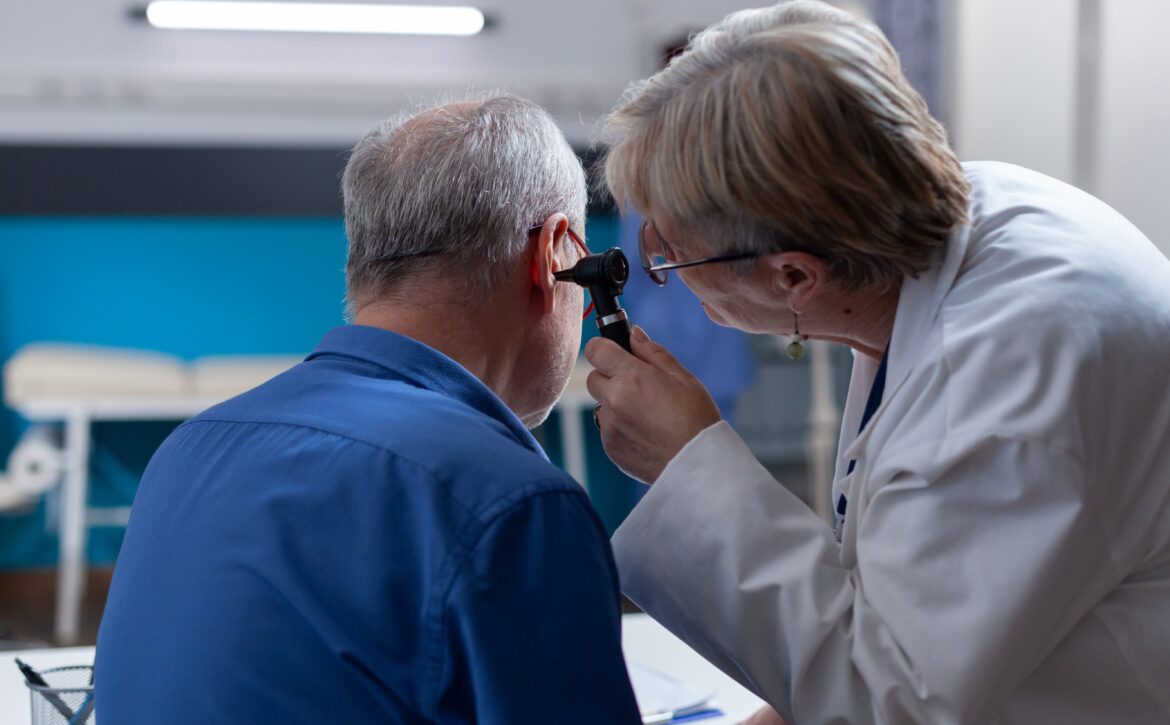
Physician holding otoscope to do ear consultation for patient at checkup visit

To find the cause, your doctor will begin by reviewing information about your symptoms and medical history. This may involve questions about the onset of sudden hearing loss, recent illnesses, noise exposure, or family history of hearing issues. Furthermore, through a physical examination, doctors can also detect any potential infections in one or both ears or physical obstructions in the ear canal.

2. Hearing Tests (Audiogram)

Hearing assessments are commonly performed to assess the extent of hearing loss. This test measures how well a person can hear different frequencies and volumes. SSHL should be identified by a decrease of at least 30 decibels within a 72-hour period, which can make normal conversations sound like whispers.

3. Imaging Tests (MRI)

In some cases, imaging tests such as an MRI may be recommended. These tests can help find other possible causes of sudden hearing loss, such as tumors, damage to the auditory nerve, or other structural issues within one of the ears or brain.

4. Blood Tests

Blood tests can be used to detect Sudden Sensorineural Hearing Loss by detecting specific proteins, such as prestin, that are released from damaged outer hair cells in the inner ear. These proteins can be measured in the blood, offering a way to identify hearing loss at an early stage.

How is SSHL Treated?

When it comes to finding the best treatment for Sensorineural Hearing Loss, early detection is key. This is because the sooner SSHL is detected and addressed, the better the chances of regaining your hearing. The management of SSHL itself generally involves a combination of medications and follow-up care.

Some other management options can be tried to address SSHL, including:

  • Corticosteroids: These medications are usually prescribed to reduce inflammation in the inner ear, which may potentially help in hearing recovery. Corticosteroids can be taken orally or given as injections directly into the ear.
  • Antiviral Medications: In cases where a virus infection is responsible for SSHL, healthcare providers might opt for antiviral medications to combat the infection itself.
  • Hyperbaric Oxygen Therapy (HBOT): When SSHL is related to the lack of oxygen, HBOT might be used to relieve the symptoms. This treatment uses pure oxygen to be inhaled in a pressurized setting to enhance healing and increase the oxygen flow to the inner ear.

In certain instances, starting treatment within the first two weeks of symptoms can lead to a better possibility of recovery from Sensorineural Hearing Loss. Therefore, if you suspect you might be experiencing SSHL, consider seeking help from an audiologist or healthcare professional immediately.

Outlook For People With SSHL

The outlook for Sudden Sensorineural Hearing Loss may vary, depending on the cause and how early treatment is received. In cases where the cause is detected early, treatment can be done immediately. This helps to increase the chance of regaining the hearing ability. For more severe cases, around 50% of people with SSHL can experience partial or full recovery within one to two weeks.

Furthermore, follow-up care and hearing rehabilitation can also help manage the condition, prevent it from worsening, and improve hearing ability over time. This process might involve getting hearing aids from a hearing aid distributor if necessary.
The young man is closing his ears with hands on white background
October 23, 2024 by Hear Life 0 Comments

Discover the Probable Reasons Behind Your Muffled Hearing

When your hearing suddenly becomes muffled in one ear, it can feel disorienting and uncomfortable, almost as if something is blocking sound from reaching you. Muffled hearing often results in a loss of clarity, making sounds seem faint, distorted, or distant.

Why you can only hear out of one ear or why you are experiencing muffled sounds could be due to an underlying condition. Knowing when to seek help is key to identifying the cause and finding the appropriate approach to address your symptoms.

Muffled Ear Symptoms

When your hearing becomes muffled, you may notice other symptoms that could help in knowing the cause. Some signs to watch out for include:

  • The feeling of fullness or pressure in the ear: This sensation often accompanies ear-related conditions, like infections or blockages.
  • Ear pain: Discomfort or sharp pain in the ear could signal an infection or other issue affecting your ear canal or eardrum.
  • Ringing in the ears (tinnitus): A persistent buzzing or ringing sound, known as tinnitus, can accompany hearing loss.
  • Dizziness or vertigo: Feeling off-balance or dizzy can sometimes occur with ear problems.
  • Discharge from the ear: Fluid or pus coming from the ear might indicate an infection or injury.

What Are the Most Common Causes of Sudden Hearing Loss or Muffled Hearingin One Ear?

These are some of the possible causes of why your hearing may be suddenly muffled:

1. Earwax Buildup

Earwax, also known as cerumen, is a natural part of your ear’s defense system, helping to trap dust and debris. However, when earwax accumulates excessively, it can obstruct the ear canal and could probably be the reason why you can’t hear all of a sudden. This is especially common if improper cleaning techniques are leveraged to clean one ear or both ears.

People with narrow ear canals may also be left with earwax buildup that could be hard to manage.

2. Presbycusis

Presbycusis is age-related hearing loss that gradually affects older adults. Although this condition typically impacts both ears, it can sometimes be more noticeable in one ear. People with presbycusis often struggle to hear high-frequency sounds and may experience muffled hearing.

While presbycusis develops slowly over time, it’s a common cause of hearing impairment in aging populations and may require hearing aids or other interventions.

3. Middle Ear Infection

A middle ear infection or otitis media happens when fluid accumulates behind the eardrum, resulting in muffled hearing. Infections could also lead to other symptoms like ear pain, fever, and, in some cases, discharge from the ear. This condition is particularly common in children but can affect people of all ages.

4. Sinus Infection (Sinusitis)

Sinus infections could cause inflammation in the nasal passages, which can affect the ears through pressure on the Eustachian tube. This tube, which connects the middle ear to the back of the throat, can become blocked due to sinus congestion, leading to muffled hearing.

Along with hearing issues, you might experience symptoms like nasal congestion, headaches, and facial pain.

5. Common Cold

Even a mild cold can cause temporary hearing loss due to congestion that affects the Eustachian tube. When you have a blocked Eustachian tube, proper airflow and pressure regulation in the ear may be affected, resulting in a feeling of fullness or muffled hearing. However, as the cold subsides, your hearing should return to normal.

6. Hay Fever

Hay fever and other allergies can cause inflammation and congestion in both the ears and sinuses, leading to muffled hearing. When your immune system reacts to allergens like pollen, it releases histamines that cause swelling in the nasal passages and Eustachian tubes, which regulate ear pressure. As a result, the ears may feel blocked or full, and sounds can become muffled.

7. Airplane Ear

Airplane ear, or barotrauma, is a common issue during air travel due to rapid pressure changes in the cabin. The Eustachian tube, responsible for equalizing pressure between the middle ear and the atmosphere, can become blocked when the pressure changes too quickly, leading to muffled hearing. Other symptoms may include ear pain, a feeling of fullness, or even temporary hearing loss.

A few ways to manage these symptoms include chewing gum, swallowing, or yawning during ascent and descent, which could help balance the pressure in the ears.

8. Noise Damage

Exposure to loud noises, such as at concerts, construction sites, or while using power tools, could lead to noise-induced hearing loss. And sudden muffled hearing in one ear can be a sign of this occurring. This is because the inner ear’s hair cells, which transmit sound signals to the brain, become overstimulated or damaged from prolonged exposure to loud noise. This damage may be temporary or permanent, depending on the duration and intensity of the noise.

9. Tinnitus

Tinnitus is characterized by hearing sounds, such as ringing, buzzing, or hissing, without an external source. It often accompanies hearing loss and can occur in one or both ears. While the exact cause of tinnitus varies, it is frequently linked to prolonged exposure to loud noise, ear infections, earwax buildup, or age-related hearing loss. Muffled hearing can occur alongside tinnitus, making it harder to focus on external sounds.

Persistent buzzing or ringing in the ear warrants a visit to a healthcare professional for tinnitus ear treatment. This also allows the healthcare professional to determine if you have any other underlying health issues, so you can explore management options that could help minimize its impact.

10. Ear Blockage

An ear blockage can occur when a foreign object, such as a small toy, bug, or piece of cotton, becomes lodged in the ear canal. Other times, water from swimming or bathing may become trapped, causing a sensation of fullness and muffled hearing. Sudden pressure changes, like those experienced during air travel or scuba diving, can also cause a blockage.

Attempting to remove objects or blockages to fix your sudden muffled hearing could put you at risk of injury, so it’s important to seek medical assistance.

11. Eardrum Perforation

A perforated eardrum, also known as a ruptured eardrum, occurs when there is a tear or hole in the thin tissue that separates the ear canal from the middle ear. This can result from infections that cause fluid buildup, sudden changes in air pressure (such as during air travel), or trauma, like inserting objects too far into the ear. Along with muffled hearing in the affected ear, symptoms may include sharp pain, a ringing sensation (tinnitus), or discharge of fluid or pus.

In most cases, a perforated eardrum heals on its own, but more severe cases may require surgical intervention.

12. Tumor

Though rare, tumors like acoustic neuromas can affect hearing. Acoustic neuromas are benign (non-cancerous) growths on the vestibulocochlear nerve, which connects the inner ear to the brain and controls both hearing and balance. As the tumor grows, it can press on the nerve, leading to symptoms like gradual hearing loss in one ear, muffled hearing, tinnitus (ringing in the ear), and balance problems.

Detecting tumors in the ear early is critical so that it can be addressed with surgery or radiation to mitigate the risk of further damage to hearing and balance.

13. Meniere’s Disease

Meniere’s disease is a condition that affects the inner ear and could lead to sudden and severe tinnitus, vertigo, fluctuating hearing loss, and a feeling of fullness or pressure in the ear. People with Meniere’s disease may experience periods of remission followed by flare-ups, where hearing can become muffled, especially in one ear. While the exact cause of this condition remains unknown, it’s believed to be related to abnormal fluid buildup in the inner ear.

When you experience a combination of vertigo and hearing issues, there is a possibility that this could be Meniere’s disease. Therefore, it’s essential to see a specialist to properly diagnose and manage the condition.

14. Brain Injury or Head Trauma

Head trauma, whether from an accident, fall, or injury, can sometimes result in hearing loss or muffled hearing. This can happen due to damage to the middle or inner ear structures or as a result of injury to the auditory nerve that carries sound signals to the brain.

In some cases, trauma may cause a fracture in the bones around the ear or lead to a concussion, affecting hearing temporarily or permanently. Additional symptoms may include headaches, dizziness, or nausea, particularly if a concussion is involved.

If you’ve recently experienced a head injury and notice any changes in your hearing, you should seek medical attention right away, as prompt diagnosis and care can mitigate the risk of further complications.

How You Can Address Muffled Hearing

When you experience sudden muffled hearing in one ear, there is no universal way to fix it. While sometimes it goes away on its own, there are times when you may require professional help to determine the right solution for your condition.

These are some of the solutions your audiologist may recommend to address your muffled hearing:

1. Remove the Blockage

If earwax buildup or a foreign object is the culprit behind your muffled hearing, it’s crucial to have it removed by a professional. An audiologist or healthcare provider can safely extract the blockage using specialized tools. In more stubborn cases, earwax removal may involve ear drops that soften the wax before professional extraction.

2. Antibiotics

Bacterial infections, like otitis media, often require antibiotics to eliminate the infection. These infections can lead to fluid buildup behind the eardrum, which causes muffled hearing.

Antibiotics target the bacteria that are causing the infection, which would help in managing inflammation and allowing fluid to drain from the ear. Aside from antibiotics, your doctor may recommend pain relievers to address discomfort.

Once your infection clears up, normal hearing should gradually return. But if infections become chronic, a healthcare professional might discuss additional interventions like ear tubes.

3. Decongestant

Congestion from colds, allergies, or sinus infections can block the Eustachian tubes, leading to pressure imbalances and muffled hearing. To address this, over-the-counter or prescription decongestants could help with nasal and sinus congestion, allowing the Eustachian tubes to open and equalize pressure in the middle ear.

When the congestion lessens, it could help with fluid drainage and promote clarity in hearing. Decongestants can come in oral forms or nasal sprays, but it’s important to use them as instructed by your healthcare provider to avoid side effects or dependency.

4. Surgery

In more severe cases, such as when a person has a perforated eardrum, a tumor, or conditions like cholesteatoma, surgery may be necessary. Eardrum perforation repair, also known as tympanoplasty, involves grafting tissue to close the hole in the eardrum. If a tumor, such as an acoustic neuroma, is responsible for hearing loss, surgical removal or radiation may be necessary to prevent further nerve damage.

Additionally, individuals with chronic middle ear infections that don’t respond to antibiotics might require a surgical procedure to insert ear tubes. This procedure may involve draining the fluid from the middle ear to help with addressing hearing problems.

5. Hearing Aids

For individuals whose muffled hearing results from presbycusis (age-related hearing loss) or noise-induced hearing loss, hearing aids could be a potential long-term solution. They amplify sound, helping you hear by compensating for the diminished auditory function of your inner ear.

Hearing aids come in various types, including in-the-ear (ITE) and completely-in-the-canal (CIC) models, allowing users to choose based on comfort and lifestyle needs.

A professional hearing exam will help identify which type of hearing aid is appropriate for your level of hearing loss. Regular adjustments and maintenance ensure optimal performance and improved quality of life.

Take Steps to Protect Your Ears from Damage That Could Cause Muffled Hearing

Protecting your ears from damage is important in minimizing the risk of muffled hearing and other hearing-related issues. One of the ways to do so is to avoid exposure to excessively loud environments by wearing earplugs or noise-canceling headphones when necessary, especially at concerts, construction sites, or other noisy settings. Limiting your use of headphones or earbuds at high volumes can also help prevent long-term damage.

If you experience frequent ear infections, allergies, or sinus problems, managing these conditions with the help of a healthcare professional can reduce the risk of ear congestion and muffled hearing.

Being proactive in caring for your ears can safeguard your hearing health and reduce the likelihood of developing sudden or chronic muffled hearing.

For more insights on hearing loss, discover the common causes of acquired hearing loss in adults.

September 2, 2024 by Hear Life 0 Comments

What Are the 3 Types of Hearing Loss?

Hearing loss can impact anyone at any age, from childhood to later in life. When symptoms arise, seeking prompt assistance is essential to finding the right solution. However, before the audiologist can determine a suitable option for your condition, they must first identify what type of hearing loss you are experiencing.

There are three types of hearing loss, each with distinct characteristics, causes, and symptoms. Understanding these differences can provide valuable insight into managing your condition and help you maintain your ability to perform daily activities.

1. Sensorineural Hearing Loss

Sensorineural hearing loss occurs when the cochlea (a part of the inner ear), a part of the auditory nerve or central nervous system, is damaged or deteriorates.

These hair cells convert sound waves into signals that the brain interprets as sound. When these cells are damaged or missing, the brain receives incomplete or distorted signals, leading to hearing loss. This type of hearing loss is typically permanent and can range from mild to profound deafness.

What Are the Symptoms of Sensorineural Hearing Loss?

These 4 symptoms are what you should look out for to identify whether or not you have this type of hearing loss:

  • Difficulty Hearing Conversations: This can especially be challenging when around a noisy environment.
  • Tinnitus: There is a ringing, buzzing, or hissing sound in the ears.
  • Muffled Sounds: Voices and sounds may seem unclear or distant.
  • Difficulty Hearing High-Pitched Sounds: Often, the voices of women and children can be difficult to hear.

What Are the 5 Major Causes of Sensorineural Hearing Loss?

  • Aging (Presbycusis): Age-related hearing loss due to natural wear and tear of the inner ear.
  • Noise Exposure: Exposing your ears to loud noises, such as from machinery, concerts, or earphones, for a long period of time can cause damage.
  • Genetic Factors: Hereditary conditions affecting ear function.
  • Head Injuries: Trauma could affect the inner ear or auditory nerve.

2. Conductive Hearing Loss

Conductive hearing loss typically results from issues in the cochlea, which can prevent sound waves from reaching the inner ear. This type of hearing loss can be experienced in either one or both ears and may fluctuate over time, depending on the underlying cause.

What Are the Symptoms of Conductive Hearing Loss?

These are the signs of conductive hearing loss:

  • Muffled Hearing: Sounds may seem faint or distant.
  • Ear Pain or Discomfort: This is often associated with ear infections.
  • Difficulty Hearing Soft Sounds: This includes whispers or background noise.
  • A Feeling of Fullness in the Ear: The sensation is similar to having water or a plug in the ear.
  • Unusual Ear Noises: Popping or clicking sounds in the ear.

What Are the 4 Major Causes of Conductive Hearing Loss?

  • Ear Infections (Otitis Media): Infections in the middle ear that can cause fluid build-up.
  • Earwax Blockage: Having too much earwax can block the ear canal, which impedes sound waves from reaching the eardrum.
  • Eardrum Perforation: A tear or hole in the eardrum affects sound conduction.
  • Foreign Objects: Objects lodged in the ear canal can block sound transmission.

3. Mixed Hearing Loss

Mixed hearing loss occurs when both the inner ear and the outer or middle ear are affected. This means that a person may experience symptoms of both sensorineural and conductive hearing loss, making it essential to identify and address all contributing factors.

What Are the Symptoms of Mixed Hearing Loss?

The 3 common signs of mixed hearing loss can be described as the following:

  • Combination of Symptoms: Both sensorineural and conductive hearing loss symptoms could appear, such as difficulty hearing conversations, ear pain, and more.
  • Fluctuating Hearing Ability: Hearing may vary depending on the underlying cause of the conductive component.
  • Difficulty Understanding Speech: You may experience this issue in noisy environments or when multiple people are talking.

What Are the 3 Major Causes of Mixed Hearing Loss?

  • Chronic Ear Infections: Long-term infections can damage the middle and inner ear.
  • Head Trauma: These types of injuries could affect multiple parts of the ear.
  • Genetic Conditions: Inherited disorders can impact both the inner and middle ear.

How Do You Know What Type of Hearing Loss You Have?

Determining the type of hearing loss you have is crucial for finding the right solution to manage your symptoms. One of the ways to identify it is through a professional hearing test service from a trusted hearing center.

When you visit a hearing center, the audiologist will use various tools and techniques to diagnose the type and severity of your hearing loss. One of the tests offered could be Pure-Tone Audiometry, which uses various tones across a range of frequencies to determine your level of hearing. Another would be the Speech Audiometry test, which will evaluate your ability to understand and process speech.

The information gathered in your assessment is vital in developing a personalized plan that will help address your hearing issues. The plan may include the use of hearing aids, medical interventions, or other hearing solutions.

How to Manage Hearing Loss

These are strategies worth considering to manage your condition and reduce the risk of further hearing loss.

1. Protect Your Ears

One of the most important strategies for managing hearing loss is to safeguard your ears from further damage. Avoid exposure to loud noises whenever possible, as they can exacerbate hearing loss or lead to additional damage. Common sources of harmful noise include loud music, machinery, and heavy traffic. When you are in environments with prolonged noise exposure, such as concerts or construction sites, make sure to use ear protection like earplugs or noise-canceling headphones.

2. Use Hearing Aids

If hearing aids are recommended by your audiologist, it’s important to use them consistently. Hearing aids are designed to help with sound, making it easier for you to hear and communicate with others. They can help you engage in conversations, follow along in meetings, and enjoy social activities.

3. Practice Good Ear Hygiene 

Maintaining good ear hygiene is another key aspect of managing hearing loss. Regularly clean your ears to remove excess earwax, which can block the ear canal and impair your hearing. However, it’s important to clean your ears safely—avoid inserting objects like cotton swabs into the ear canal, as this can push wax further in or potentially cause injury. Instead, use ear drops or visit a healthcare professional for safe ear cleaning. Keeping your ears clean and healthy ensures your hearing is not compromised by avoidable factors.

Visit a Trusted Hearing Center in the Philippines

Hearing loss can progress gradually, so it’s important to have your hearing tested regularly at a reliable hearing center in the Philippines, even if you don’t notice any immediate problems. Early detection allows for timely intervention, which can mitigate the risk of further deterioration and help you manage hearing loss. By working with a trusted audiologist, you can get the quality care you need and live your life to the fullest.

Should you require hearing aids, some hearing centers will allow you to explore a hearing aid trial, allowing you to experience the benefits of hearing aids before making a commitment. This trial can help you find the right device that suits your hearing needs and lifestyle.

For more information, see the causes of acquired hearing loss in adults.

August 13, 2024 by Hear Life 0 Comments

Understanding the Causes of Acquired Hearing Loss in Adults

Acquired hearing loss refers to hearing impairment that develops after birth, either gradually over time or suddenly. This differs from congenital hearing loss, which is present from birth. In the Philippines, research indicates that 14.7% of adults aged 18 to 65 experience acquired hearing loss. This prevalence increases significantly in older adults, with 49.1% of those over 65 being affected by hearing loss.

With this high prevalence, especially among older adults, it’s crucial to know what causes acquired hearing loss in the Philippines. This awareness can help mitigate its effects and maintain ear function.

1. Exposure to Loud Noise

The most common cause of acquired sensorineural hearing loss in adults stems from exposure to loud noise. Prolonged exposure can harm delicate hair cells in the inner ear, leading to sensorineural hearing loss, often referred to as nerve deafness.

The effects of sensorineural hearing loss can manifest immediately or gradually over time. Everyday appliances like hair dryers, food processors, and recreational activities such as rock concerts or high-volume music listening contribute significantly to this risk.

As such, it’s imperative to take proactive measures when signs of hearing loss emerge to preserve hearing and minimize the risk of further damage. This includes using earplugs in noisy environments and keeping the volume at safe levels. Raising awareness and taking these precautions are key to mitigating the impact of noise on ear health and preventing further hearing loss.

2. Physical Trauma

Physical trauma to the ear or head is another significant cause of acquired hearing loss. Severe head injuries can damage the inner ear structures or the auditory nerve, which are critical for transmitting sound signals to the brain. Additionally, these injuries can affect the middle ear, disrupting the delicate balance of the ossicles (tiny bones in the middle ear) and impairing the mechanical transmission of sound.

The extent of hearing loss from physical trauma can vary, ranging from temporary impairment to permanent damage, depending on how severe the injury is and where the person was hit.

Inserting objects into the ear canal is another common cause of physical trauma that can lead to hearing loss. This practice can perforate the eardrum, causing pain and significant hearing impairment. Damage to the ossicles from such trauma can further exacerbate hearing loss, as these tiny bones amplify and transmit sound vibrations to the inner ear.

Preventive measures are essential for safeguarding ear health and preventing trauma-induced hearing loss. This includes avoiding inserting objects into the ear and wearing protective headgear during activities that risk head injury,

3. Swimmer’s Ear

Swimming is a popular activity in the Philippines, both for recreation and as a way of life. However, it can sometimes cause ear problems, particularly when swimmers come into contact with contaminated water. If water enters the ear and remains trapped, it can lead to an ear infection known as “Swimmer’s Ear” or otitis externa. Unlike the common childhood middle ear infection, this condition affects the outer ear canal and can cause significant pain and discomfort.

Swimmer’s Ear occurs when bacteria (and occasionally fungi or viruses) from contaminated water get into the ear and multiply in the ear canal, leading to infection and, in severe cases, acquired hearing loss.

To protect yourself, it’s essential to wear earplugs or a bathing cap while swimming. After swimming, be sure to dry your ears thoroughly with a towel and avoid inserting objects like cotton swabs into the ear canal, as it could exacerbate or increase your risk of infection. If an infection does occur, it is essential to seek medical attention promptly.

4. Existing Medical Conditions

Pre-existing medical conditions are what can contribute to sudden or gradual hearing loss. The most common scenarios that could cause this are the development of a middle ear infection, the use of ototoxic medications, or even experiencing severe health conditions.

  • Infections: Middle ear infections (otitis media) occur when fluid accumulates behind the eardrum, causing inflammation and infection. If left untreated or if they become recurrent, these infections can inflict lasting damage to the ear’s structures, potentially causing hearing loss.
  • Ototoxic Medications: Certain medications, including specific antibiotics and chemotherapy drugs, pose risks to the inner ear, potentially causing hearing loss. While crucial for treating various conditions, it’s essential that the intake of medicines is monitored by a healthcare professional to manage and mitigate the risk of hearing loss.
  • Other Conditions: Other health conditions, such as diabetes, high blood pressure, autoimmune diseases, and tumors, can also potentially affect hearing. As such, when symptoms of hearing loss start to manifest while you are living with a pre-existing condition, make sure to consult your doctor right away for early intervention.

Symptoms of Acquired Hearing Loss

Recognizing the signs of acquired hearing loss is crucial for early intervention. Common symptoms include:

  • Muffled Sounds: Feeling like sounds are less clear or distant.
  • Difficulty Understanding Speech: Struggling to follow conversations, especially in noisy environments.
  • Tinnitus: A ringing, buzzing, or roaring sound in the ears.
  • Sudden Hearing Loss: A rapid decline in hearing ability, often in one ear.

When Experiencing Symptoms of Acquired Hearing Loss, Get Checked

If you are experiencing symptoms of acquired hearing loss, it is crucial to undergo a hearing assessment in the Philippines to determine the extent and cause of your hearing impairment. Early identification can help you cope with the effects of hearing loss by allowing for timely intervention, such as the fitting of appropriate hearing aids.

Know that professional hearing assessments and hearing aid fitting services are available to help you manage hearing loss effectively and maintain your overall ear health. Avoid waiting until your condition progresses; get checked as soon as you notice any signs of hearing difficulty.

For more hearing insights, learn how to boost hearing health with different exercises.

August 13, 2024 by Hear Life 0 Comments

3 Signs and Symptoms of Patients with Presbycusis

Presbycusis, often referred to as age-related hearing loss, is a condition that commonly affects the elderly. As we age, changes in the inner ear and auditory nerve can gradually diminish our ability to hear clearly, impacting our daily lives. Early detection of the signs and symptoms of this condition is crucial for appropriate management, allowing individuals to maintain their communication abilities and overall well-being.

What Is Presbycusis?

As mentioned, Presbycusis refers to the gradual loss of hearing that happens as people get older. This condition typically affects both ears and is caused by the degeneration of auditory cells in the inner ear and auditory nerve. While these changes may develop slowly, this could also mean that the individual might not be able to notice it right away. However, it usually manifests when they are unable to hear high-pitched sounds, like the sound of the microwave ringing.

What Is the Main Cause of Presbycusis?

The primary cause of presbycusis is the natural aging of auditory cells. As one grows older, the hair cells in the cochlea gradually degenerate. These hair cells convert sound waves into electrical signals for the brain, which allows us to perceive and interpret sounds. While this degeneration is a normal part of the aging process, it may lead to a decline in hearing abilities.

In addition to aging, other factors can contribute to the development of presbycusis. For example, long-term exposure to loud noises, such as industrial sounds, music, and environmental noise, can accelerate the deterioration of hearing. Furthermore, genetic predisposition, health conditions like diabetes and hypertension, and certain medications can also influence the progression of age-related hearing loss.

What Are 3 Signs and Symptoms of Patients with Presbycusis?

Recognizing the signs and symptoms of presbycusis is essential for early intervention and proper management. Here are 3 common indicators:

1. Trouble Understanding What People Are Saying

One of the most noticeable signs of presbycusis is when an individual is having a hard time understanding speech, especially in noisy environments. Individuals may frequently ask others to repeat themselves, misinterpret words, or struggle to follow conversations in group settings. This difficulty arises because high-frequency sounds, which are crucial for distinguishing consonants, are often the first to be affected by age-related hearing loss.

2. Increasing the Volume of Television, Computers, or Phone

Another common symptom is the need to increase the volume of electronic devices such as televisions, computers, and phones. People with presbycusis may find that they have to set the volume higher than usual to hear clearly, which can be noticeable to family members or friends. This behavior often indicates that the individual is compensating for their reduced hearing sensitivity.

3. Experiencing Tinnitus

Tinnitus, or ringing in the ears, is another symptom associated with presbycusis. Many individuals with age-related hearing loss experience tinnitus, which can vary in severity from a mild nuisance to a debilitating condition. The constant or intermittent ringing, buzzing, or hissing sounds can interfere with concentration, sleep, and overall quality of life.

How is Presbycusis Diagnosed?

Diagnosing presbycusis involves a thorough evaluation by an audiologist. The diagnostic process typically includes:

  • Medical History Review: The audiologist will take a detailed medical history to identify potential factors that contribute to hearing impairments, such as exposure to loud noises, medications, and underlying health conditions.
  • Physical Examination: A physical assessment of the ears is conducted to rule out other causes of hearing loss, such as earwax buildup or infections.
  • Audiometric Tests: Hearing exams, including pure-tone audiometry and speech audiometry, are performed to assess the type and severity of hearing loss. These tests measure the individual’s ability to hear different frequencies and understand speech at various volume levels.

How Is Age-Related Hearing Loss Addressed?

While presbycusis cannot be reversed, there are several ways to manage the condition and support hearing function. These include:

  • Hearing Aids: Hearing aids are one of the most common devices used for addressing presbycusis. These devices amplify sounds, making it easier for individuals to hear and understand speech. Modern hearing aids are discreet and come with various features to enhance listening experiences in different environments.
  • Assistive Listening Devices: Devices such as amplified telephones, TV listening systems, and personal amplifiers can help individuals with presbycusis communicate more effectively.
  • Communication Strategies: Learning communication strategies, such as lip reading and using visual cues, can help individuals with presbycusis improve their interactions with others.
  • Therapies and Rehabilitation: Audiologic rehabilitation programs, which include counseling and training, can assist individuals in adapting to their hearing loss and maximizing the benefits of hearing aids and other devices.

How Can a Hearing Aid Center Help?

A hearing aid center in the Philippines can provide comprehensive services to individuals with presbycusis. These centers offer hearing exams, hearing aid fittings, and ongoing support to ensure that you can receive appropriate care for your condition. Audiologists at these centers are trained to assess hearing loss, recommend suitable hearing aids, and provide follow-up services to optimize hearing aid performance.

In addition to technical support, they offer counseling and educational resources to help you understand and adapt to your hearing loss. This holistic approach ensures that you have the skills and resources needed to improve your hearing, maintain your quality of life, and stay connected with the world around you.

August 13, 2024 by Hear Life 0 Comments

What Can Cause a Baby to Be Born Deaf?

Congenital deafness poses profound challenges to a child’s early development, affecting their language skills, social interactions, and cognitive abilities. Recognizing what can cause a baby to be born deaf is crucial for parents to take precautionary measures to minimize the risk. By understanding the factors contributing to hearing loss at birth, parents can play a pivotal role in safeguarding their child’s auditory health and fostering their overall growth and well-being.

How Genetics and Family History Come into Play

Genetics and family history are crucial factors in understanding congenital hearing loss. In some cases, congenital deafness could be caused by hereditary disorders and genetic mutations. As such, knowing your family’s medical history can help you identify potential risks of congenital hearing loss and allow for early interventions.

Hereditary Disorders

Genetics plays a significant role in congenital deafness. Hearing loss can be a hereditary disorder passed down from parents to their children. If there is a family history of hearing loss, the chances of a baby being born deaf increase. This type of hearing loss can be syndromic, where hearing loss is associated with other health conditions, or nonsyndromic, where hearing loss is the sole condition.

Genetic Mutations

In addition to hereditary disorders, genetic mutations can also cause congenital deafness. Mutations in specific genes can affect the normal development of the auditory system, potentially resulting in hearing loss.

What Are the Chances of a Baby Being Born Deaf Due to Genetic Factors?

According to the Centers for Disease Control and Prevention (CDC), genetics is a significant contributor to congenital hearing loss. It is estimated that genetic factors account for about 50% of congenital hearing loss cases. This can occur due to hereditary disorders passed down from parents or genetic mutations that arise spontaneously.

However, it’s important to note that environmental factors also play a crucial role in the development of your child’s auditory system. Prenatal infections, exposure to ototoxic medications, and birth complications can increase the likelihood of a newborn developing hearing impairment.

How Prenatal Exposure Affects Your Newborn’s Hearing

The environment and conditions to which your baby is exposed during pregnancy can have profound effects on their development, including their hearing. It’s important to be aware of the infections and substances that could increase the risk of congenital hearing loss.

Infections During Pregnancy

Prenatal exposure to certain infections can significantly impact a baby’s hearing. Infections such as cytomegalovirus (CMV) can cause congenital hearing loss if contracted during pregnancy. These infections may potentially damage the developing auditory system, leading to hearing impairment.

Medications and Substances

Exposure to ototoxic medications and harmful substances during pregnancy can also contribute to hearing loss in newborns. For instance, medications such as aminoglycoside antibiotics, when used during pregnancy, can damage the auditory system. Additionally, excessive exposure to alcohol, smoking, and other toxic substances can adversely affect fetal development and contribute to congenital deafness.

Link Between Birth Complications and Hearing

Various factors during and after birth can significantly contribute to congenital hearing loss. Complications during delivery, along with health issues in the early stages of life, can increase the likelihood of hearing impairments in newborns.

Premature Birth and Low Birth Weight

Premature birth and low birth weight are associated with an increased risk of congenital hearing loss. These conditions make newborns more susceptible to complications that can impact their auditory development, such as hypoxia (lack of oxygen) and hyperbilirubinemia (high levels of bilirubin).

Delivery Complications

Complications during delivery, such as oxygen deprivation and birth trauma, can also increase the risk of hearing impairment in newborns. For instance, difficult deliveries necessitate the use of birth assistance tools, such as a vacuum extractor or forceps, which, if not employed correctly, can potentially cause auditory damage.

How Severe Can Congenital Hearing Loss Get?

Congenital hearing loss can vary in severity, from mild to profound. Mild hearing loss may result in minimal speech development issues, while severe or profound hearing loss can lead to significant communication challenges.

That’s why early intervention is crucial in managing congenital deafness. Earlier diagnosis and intervention could help with supporting the child’s language development and social integration as they get older. This can potentially help them be equipped with the skills and knowledge to live their life to the fullest.

Have Your Child Checked by a Healthcare Professional

In the Philippines, newborn hearing screening is available and recommended to detect hearing issues in children early. If you suspect your baby may have hearing difficulties, it is essential to consult a pediatrician promptly. Early diagnosis and intervention can make a difference in your child’s auditory and overall development milestones.

Hearing aids and other assistive devices can play a crucial role in helping children with congenital hearing loss lead fulfilling lives. Regular hearing tests and appropriate care can also help mitigate the effects of congenital deafness.

Parents should stay informed about the potential causes of congenital hearing loss and seek medical advice if they have concerns. With the right support and intervention, children with hearing loss can thrive and achieve their full potential.

March 20, 2024 by webadmin 0 Comments

Hear Beyond Limits: Empowering Filipinos with Diverse Hearing Needs through Widex Innovation

For many Filipinos, navigating the world of sound presents unique challenges. Cultural nuances, environmental factors, and economic realities often create barriers to accessing quality hearing healthcare. However, HearLife Philippines, in partnership with Widex, is committed to breaking down these barriers and empowering Filipinos with diverse hearing needs to thrive.

Understanding the Filipino Experience with Hearing Loss

Hearing problems affect an estimated 3.2 million Filipinos, posing significant communication and social hurdles. Busy streets, bustling markets, and the music-loving Filipino culture can further amplify these challenges. Additionally, cost concerns and limited access to healthcare professionals often prevent individuals from seeking the support they need.

HearLife Philippines: Championing Inclusivity in Hearing Care

HearLife Philippines recognizes the distinct needs of Filipino patients. They go beyond simply offering hearing aids; they provide a holistic approach to hearing healthcare, incorporating:

  • Multilingual audiologists: Ensuring clear communication and culturally competent care.
  • Financial assistance programs: Making high-quality hearing aids accessible to individuals from all walks of life.
  • Community outreach initiatives: Raising awareness about hearing loss and providing free screenings in underserved areas.

Widex: A Spectrum of Solutions for Diverse Needs

Widex, a leading hearing aid manufacturer, partners with HearLife Philippines to offer a diverse range of innovative solutions. Their hearing aids cater to various types and degrees of hearing loss, lifestyles, and preferences. Here are some highlights:

  • Advanced technology: Features like directional microphones, noise reduction, and Bluetooth connectivity enhance sound clarity and listening comfort in challenging environments.
  • Discreet and stylish designs: From invisible-in-canal options to sleek behind-the-ear models, Widex offers solutions that match individual preferences and aesthetics.
  • Variety of price points: HearLife Philippines and Widex understand many Filipinos’ financial constraints. They offer a range of options to ensure everyone can access the hearing support they deserve.

Breaking Down Barriers, Building Confidence

Combining HearLife Philippines’ commitment to inclusivity with Widex’s cutting-edge technology, Filipinos with diverse hearing needs can finally experience the world of sound with greater clarity and confidence. This empowers them to:

  • Engage meaningfully in conversations: Connect with loved ones, participate in meetings, and enjoy social gatherings without communication barriers.
  • Boost their quality of life: improved hearing can increase participation in social activities, enhance mental well-being, and improve overall health.
  • Reach their full potential: With clear communication, Filipinos can pursue their education, careers, and personal goals without limitations.

HearLife Philippines and Widex are on a mission to ensure that every Filipino, regardless of background or circumstance, has the opportunity to Hear Beyond Limits. If you or someone you know is experiencing hearing loss, take the first step towards a brighter future. Schedule a consultation with HearLife Philippines today or call us at (02) 8-395-1944 and explore the life-changing possibilities of Widex hearing solutions.

Remember, you are not alone on your journey to better hearing.

February 12, 2024 by webadmin 0 Comments

Rediscover Life’s Symphony: Reconnecting Adults with Hearing Loss through Widex Technology

Imagine a world where the vibrant tapestry of sound is muted, conversations become muffled whispers, and laughter fades into a distant echo. This is the reality for millions of adults living with hearing loss in the Philippines, let alone those who may not be able to afford quality hearing aid price. But what if you could turn up the volume on life, reconnect with the richness of everyday sounds, and rediscover the joys that hearing loss has dimmed?

Think about this: hearing loss statistics in the Philippines:

  • Over 6 million Filipinos are estimated to have some degree of hearing loss, with 1.5 million experiencing severe hearing loss.
  • Around 25% of adults over 65 in the Philippines experience hearing loss.
  • Hearing loss can significantly impact quality of life, leading to social isolation, depression, and reduced earning potential.

Having a safe, reliable hearing aid is the best way to improve your quality of life.

Widex hearing technology enters the stage, offering a powerful performance that amplifies life’s symphony for Filipinos with hearing loss.

Forget the clunky hearing aids of the past. Widex brings us sleek, sophisticated devices packed with cutting-edge technology designed to integrate into your life, not burden it seamlessly.

Hear the music again, not just the notes.

Widex goes beyond amplifying sound; it restores clarity and nuance, ensuring you experience the full spectrum of the auditory world. Hear the rustle of leaves in the wind, your grandchild’s joyful squeal, and your favorite song’s intricate melody. These sounds weave the fabric of our lives, and Widex ensures you don’t miss a single note.

Reconnecting with loved ones becomes a harmonious duet.

Strained conversations, missed punchlines, and awkward silences have become a thing of the past. Widex empowers you to engage fully in life’s conversations, allowing you to reconnect with family and friends on a deeper level. Laughter rings clear, stories flow freely, and the joy of shared experiences becomes truly enriching.

Rediscover the rhythm of your passions.

Whether it’s the thrill of cheering at a stadium, the quiet focus of birdwatching, or the refreshing beat of your workout playlist, Widex ensures you can fully immerse yourself in your passions. Reconnect with the activities that bring you joy without the limitations of hearing loss holding you back.

The emotional impact of regained hearing is a powerful crescendo.

Widex users across the Philippines have shared stories of renewed confidence, strengthened relationships, and a newfound appreciation for the beauty of everyday sounds. The joy of hearing your child’s voice without straining, the comfort of understanding a loved one’s whispered words, and the thrill of participating in conversations without feeling left out are the emotional dividends of Widex technology.

Take the first step towards rediscovering life’s symphony.

Take your time if you or someone you know is experiencing hearing loss. Schedule a consultation with a Widex hearing care professional and embark on a journey towards reconnecting with the world around you. Widex technology is your conductor, ready to guide you to the harmonious richness of life’s symphony.

Widex in the Philippines

Hear Life Philippines is the exclusive distributor of Widex hearing aids in the country, ensuring quality control and localized support. Widex offers a wide range of hearing aids to suit different needs and budgets, making it an accessible option for Filipinos.

Widex focuses on advanced technology and sound quality, appealing to Filipinos who value innovation and clarity in their hearing solutions.

With HearLife Philippines, hearing loss doesn’t have to dim your life’s soundtrack. Turn up the volume, rediscover the music, and reconnect with the world because every life deserves to hear its beautiful symphony. Contact us today; our team of hearing care professionals is always ready to serve you. We also provide exceptional after-care services for all our clients.

January 30, 2024 by webadmin 0 Comments

Supercharge Your Hearing Health – A Guide to Preventing Further Loss

Hold onto the harmony. Even if you have existing hearing loss, don’t give up on the symphony of life! At Hearlife Philippines, we believe you can actively manage your situation and prevent further decline. This guide is your sonic roadmap, packed with actionable tips to keep your ears happy and the music playing.

Just in case you already are experiencing hearing loss, don’t hesitate to get your hearing checked by a trustworthy audiologist near you and don’t let the cost of hearing aids be a barrier to better hearing health.

Become a Sound Defender

  • Noise Ninjas: Embrace noise-cancelling headphones and earplugs like a superhero’s mask and shield. Conquer everyday chaos in traffic, crowds, and noisy appliances. Customize your defense with adjustable options.
  • Earplug Arsenal: Concerts, construction zones, sporting events – no adventure is too loud with the right earplugs! Foam, molded, or electronic, choose your weapon of choice, ensuring a snug fit and 20-30 decibel reduction.
  • Volume Vigilante: Whether rocking out with headphones or enjoying live music, keep the volume in check. Remember the 60/60 rule: 60% volume for no more than 60 minutes before a break. Turn down the dial, crank up the enjoyment!

Fuel Your Hearing with Healthy Habits

  • Smoke Stopper, Sound Saviour: Ditch the cigarettes! Smoking shrinks blood flow to your ears, accelerating hearing loss. Breathe easy, hear clearly, and embrace a smoke-free symphony.
  • Move Your Body, Amplify Your Sound: Regular exercise is your auditory system’s personal trainer. Boost blood circulation and nourish your ears. Bonus points for swimming or yoga – joint-friendly workouts with big sound benefits.
  • Stress Slayer, Serenity Amplifier: Chronic stress is the auditory system’s arch-nemesis. Find your inner peace with meditation, yoga, or nature walks. Less stress, more sound? Sign us up!

Team Up with Your Hearing Health Specialists

  • Regular Check-ups: Don’t be a stranger to your audiologist! Schedule regular hearing tests to catch any changes early. Early detection means quicker adjustments and better protection.
  • Hearing Aid Ally: Embrace hearing aids, not as limitations, but as superpowers! They amplify sound, improve communication, and enrich your world, reducing stress and boosting confidence.
  • Hearlife Community: You’re not alone! Join our vibrant community of individuals on similar journeys. Share experiences, swap tips, and find inspiration together.

Remember, prevention is your superpower! By implementing these methods and partnering with Hearlife Philippines, you can slow the progression of hearing loss and keep the music playing. Tune into a life filled with joy, connection, and the sounds you love. Start living your full-volume adventure today!

Visit HearLife Philippines today. Contact us to set an appointment with our trusted hearing aid specialists. Learn more about hearing health and discover our range of hearing solutions. Share your story and tell us how these exercises have improved your hearing in the comments below!

Disclaimer: This is for informational purposes only and is not a substitute for professional medical advice. Always consult a healthcare professional before starting any new exercise program, especially if you have any underlying health conditions.

August 20, 2023 by webadmin 0 Comments

Types of Hearing Tests: Understanding the Differences and Their Uses

Hearing loss is a prevalent condition that affects millions of people worldwide. It can significantly impact one’s quality of life, communication abilities, and overall well-being. Various types of hearing tests are available to diagnose and address hearing loss.

Understanding the differences between these tests and when they are used is crucial for properly diagnosing and treating hearing loss.

1. Pure-tone Audiometry

Pure-tone audiometry is the most common hearing test to assess an individual’s hearing thresholds. The patient wears headphones during this test and is presented with tones at different frequencies and volumes. The patient indicates when they can hear the tones, and the results are plotted on an audiogram, a graph that shows the degree and configuration of hearing loss. Pure-tone audiometry helps determine the type, degree, and configuration of hearing loss, making it a fundamental test in audiology.

When is it used?

  • Pure-tone audiometry is typically performed during routine hearing screenings.
  • It is used to diagnose and assess the extent of hearing loss.
  • This test helps determine the candidacy and appropriate settings for hearing aids or cochlear implants.

2. Speech Audiometry

Speech audiometry assesses an individual’s ability to hear and understand speech. It evaluates the patient’s speech reception threshold (SRT) and word recognition ability. The patient listens to spoken words or sentences at different volumes during the test and repeats them back. The results help determine the patient’s ability to hear and comprehend speech in real-life situations.

When is it used?

  • Speech audiometry is used with pure-tone audiometry to comprehensively assess an individual’s hearing abilities.
  • It aids in diagnosing the specific type and severity of hearing loss.
  • Speech audiometry is beneficial in determining the potential benefits of hearing aids or other assistive listening devices.

3. Impedance Testing (Tympanometry)

Impedance testing measures the movement of the middle ear in response to changes in air pressure. It consists of two primary components: tympanometry and acoustic reflex testing.

Tympanometry: During tympanometry, a probe is placed in the ear canal, and air pressure is varied while a tone is played. This test measures the eardrum compliance and the middle ear’s mobility. Tympanometry helps identify conditions such as middle ear infections, eustachian tube dysfunction, and tympanic membrane perforation.

Accurate diagnosis and understanding of hearing loss are essential for effective treatment and management. Different hearing tests serve specific purposes in evaluating various aspects of an individual’s hearing abilities. Pure-tone audiometry assesses hearing thresholds; speech audiometry evaluates speech understanding, and impedance testing measures middle ear function.

By combining these tests, audiologists can gather comprehensive data to determine the type, degree, and configuration of hearing loss, which aids in developing appropriate treatment plans. These tests are crucial in identifying the underlying causes of hearing loss, differentiating between conductive and sensorineural components, and determining the potential benefits of hearing aids or other interventions.

Our Takeaway

If you suspect hearing loss in yourself or a loved one, it is essential to consult with a qualified audiologist who can perform the necessary hearing tests. Early detection and intervention can significantly improve the outcomes and quality of life for individuals with hearing loss.

Remember, each hearing test serves a unique purpose, and the results obtained from these tests help professionals tailor treatment plans to meet the specific needs of each individual. Individuals can take proactive steps towards better hearing health and well-being by understanding the differences between these tests and their respective applications. Book an appointment today to help you or your loved ones check for any early signs of hearing loss.

Schedule an Appointment Free Consultation
Viber Us!
FREE Hearing Aid Trial!